summer cep Care (Boletus reticulatus)

Also known as: Summer Bolete
summer cep

About summer cep

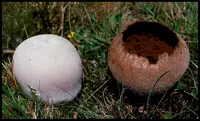
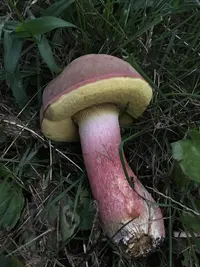
Summer cep, Boletus reticulatus, is an edible mycorrhizal mushroom that lives in symbiosis with tree roots, especially oak, beech, and chestnut. It forms sturdy, thick stems and broad, brown caps with a pale, sponge-like underside instead of gills.

This species is native to Europe and parts of western Asia, usually appearing in warm deciduous or mixed woodlands from late spring through summer. In cultivation it is challenging, as it needs compatible host trees, undisturbed soil, and a stable, outdoor woodland-like setting.

It prefers dappled light, moderate moisture, and well-drained, humus-rich soil. Anyone wanting to learn how to care for summer cep should understand that success depends more on creating the right habitat than on direct watering or feeding.

Main Plant Requirements

Care Difficulty

Hard Care

Light Preference

Partial Shade

Water Requirements

Regular Water

Temperature Preference

Cool Climate

Hardiness Zone

5–9

Soil Texture

Loamy, Sandy, Organic-rich

Soil pH

Acidic (5.5–6.5), Slightly acidic (6.5–7.0)

Soil Drainage

Moist but well-drained

Fertilization

Minimal (feed rarely)

Get Personalized Care Plan

Scan your plant to receive care tips personalized for your specific plant

Available on iOS and Android

How to Care for the summer cep

Boletus reticulatus forms fruiting bodies only when light and shade conditions around its host trees are balanced.

  • Provide bright, dappled woodland light with 2–4 hours of gentle morning sun filtered through tree canopies, avoiding harsh midday exposure.
  • Allow partial shade for most of the day; dense, continuous shade reduces fruiting of summer cep, while open, exposed sites dry the soil and mycelium.
  • In hot summers, protect associated trees from canopy thinning that increases direct afternoon sun, and maintain leaf litter to buffer sudden light and heat changes.

Water conditions for Boletus reticulatus focus on maintaining evenly moist, well‑drained forest soil.

  • Aim for consistently moist but not saturated soil, where the top 2–5 cm feel slightly damp rather than wet when squeezed by hand.
  • During dry periods, irrigate host trees deeply once soil at root level begins to dry, then allow excess water to drain fully to avoid standing water.
  • Watch for signs of stress such as cracked, dusty soil indicating too little moisture, or sour smell and slimy litter suggesting waterlogging and oxygen-poor conditions.

Temperature control supports stable mycelium growth and reliable fruiting of this ectomycorrhizal bolete.

  • Target 60–75°F (16–24°C) for active growth and fruiting, conditions often met in late spring to early autumn under deciduous woodland canopies.
  • Tolerate short dips to 40–45°F (4–7°C), but repeated freezes and hard frost can damage shallow mycelium and reduce the next season’s fruiting.
  • Limit exposure above 80–85°F (27–29°C) by relying on tree shade, leaf litter, and soil moisture, since prolonged heat and drying winds slow or halt fruiting.

Humidity is not a primary factor for Boletus reticulatus, which fruits outdoors in natural forest conditions rather than controlled indoor environments.

Boletus reticulatus depends on suitable forest soil around host tree roots rather than potting soil.

  • Aim for a loose, well-drained, sandy to sandy-loam structure that lets water pass quickly while staying slightly moist below the surface.
  • Maintain a mildly acidic to neutral pH around 5.0–7.0, often achieved under oaks or beeches with naturally acidic leaf litter.
  • Encourage organic-rich conditions using fallen leaves, fine wood debris, and aged compost spread thinly, avoiding thick, compacting layers.
  • Avoid waterlogged, compacted, or heavily fertilized soils, as these disrupt the mycorrhizal partnership between Boletus reticulatus and tree roots.

This species is not suitable for container growing because it needs a long-term mycorrhizal association with living tree roots in undisturbed soil.

Boletus reticulatus forms a mycorrhizal partnership with trees and usually needs no direct fertilization.

Pruning is not applied to Boletus reticulatus itself but to the associated host trees when needed.

Transplanting focuses on the host tree or soil habitat rather than the fungus itself, which dislikes disturbance.

  • Avoid disturbing established woodland sites where the fungus already fruits, as moving soil disrupts the mycelium network.
  • If relocating a young host tree, do so in late fall or early spring when it is dormant to reduce stress.
  • Lift and move root balls with as much original soil as possible to preserve fungal associations.
  • Water the transplanted tree deeply and keep soil evenly moist while roots and mycelium re-establish.

Propagation of Boletus reticulatus in home settings is unreliable and rarely successful using simple methods.

This species is naturally cold hardy in temperate climates and usually needs no specific winter care.

Care Tips

Mycelium Protection

Mark and avoid stepping on the productive patch, since soil compaction and disturbance can crush the mycelium network and sharply reduce future fruiting.

Leaf Litter Management

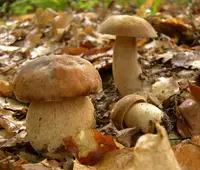
Maintain a light, even layer of hardwood leaf litter rather than bare soil, as it helps conserve moisture, moderates temperature, and supports the fungus–tree relationship.

Gentle Harvest Technique

Cut or gently twist mature mushrooms at the base and avoid pulling out clumps of soil, then loosely replace any disturbed leaf litter to protect the underlying mycelium for future crops.

Host Tree Support

Prioritize the health of nearby host trees (especially oaks and beeches) by avoiding heavy fertilization and soil disturbance around their roots, since strong trees improve the reliability of fruiting bodies when growing summer cep.

Dry Weather Buffer

During extended dry periods, use coarse wood chips or extra leaf litter around the patch edge (not directly on caps) to buffer moisture loss and reduce stress on the underground mycelium.

Common Pests and Diseases

Mycophagous beetle larvae

This pest targets developing fruiting bodies, burrowing through the cap and stem and leaving winding tunnels filled with frass. Symptoms include spongy, hollow stems, crumbly caps, and small exit holes on the mushroom surface.

Solution

Harvest mushrooms early and regularly, removing and discarding any heavily infested fruiting bodies from the site. In managed woodlands, reduce nearby decaying debris that harbors beetle populations and avoid leaving overmature mushrooms on the ground, which act as breeding sites.

Fungus gnat larvae

This pest feeds on the flesh of young fruiting bodies, especially in moist, shaded spots with rich organic litter. Symptoms include soft, collapsing caps, slimy or discolored tissues, and small larvae visible in cut sections of the mushroom.

Solution

Improve airflow and avoid over‑wet, compact litter layers where possible, for example by lightly loosening heavy duff without disturbing tree roots. Promptly remove affected mushrooms, and if necessary use fine mesh barriers over small, intensively managed areas to reduce egg‑laying on emerging fruiting bodies.

Hypomyces parasiticus

This disease is caused by a parasitic fungus that overgrows the mushroom with a dense white to yellowish crust, distorting the cap and stem and eventually stopping spore production. Symptoms include felt‑like patches on the surface that spread until the original mushroom tissue is barely visible.

Solution

Remove and discard parasitized fruiting bodies as soon as they are seen to limit spore spread around productive trees. In sites managed for growing summer cep, avoid mechanical damage to mushrooms and maintain good litter hygiene so that heavily infected, decomposing sporocarps are not left in place year after year.

Moldy cap decay

This disease develops on damaged or weather‑stressed fruiting bodies, where various saprophytic molds colonize the cap and pores. Symptoms include gray, green, or black mold patches, rapid softening of tissues, and an unpleasant odor.

Solution

Harvest ceps before prolonged wet periods when possible and avoid injuring caps and stems during collection. Remove moldy mushrooms from the ground and surrounding litter, and in regularly used spots keep foot traffic low to minimize bruising and compaction that favor mold establishment.

Interesting Facts

Early-season porcini

This species is one of the first large porcini-type boletes to appear in temperate European forests, often fruiting from late spring to early summer, well before the classic autumn porcini species become abundant.

Preference for warm oak woods

It shows a marked preference for warm, light, broadleaf forests, especially under oaks and chestnuts on well-drained, often calcareous soils, making it more common in lowland and submontane regions than in cooler, dense conifer forests.

Distinctive netted stem

The stem is covered with a pronounced pale to whitish net-like pattern (reticulation) that usually contrasts with the darker background of the stipe, a key field feature that helps distinguish it from several other edible boletes.

Botan icon

Did you know?

This porcini-relative forms highly specialized ectomycorrhizal partnerships with its host trees, creating a shared root-fungus system that improves water and mineral uptake for the tree while receiving sugars from photosynthesis, and these long-term associations can persist for many years at the same fruiting sites.

FAQs about summer cep

This species is a well-regarded edible mushroom when correctly identified and harvested young and healthy. However, misidentification with toxic boletes is possible, so beginners should consult an expert or reliable field guide before eating any wild specimens.

Grow Healthy Plants with Botan Care

Keep your plants happy and healthy with plant identification, disease detection, and easy care guidance.

Botan plant care app — identify plants on mobile

Explore More Plants