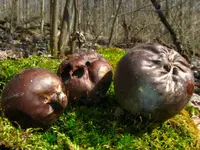
patriotic bolete Care (Boletus patrioticus)

patriotic bolete

About patriotic bolete

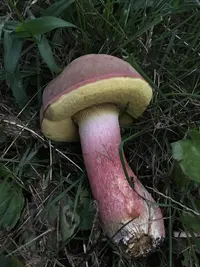
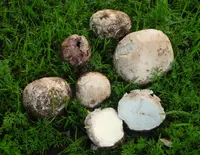
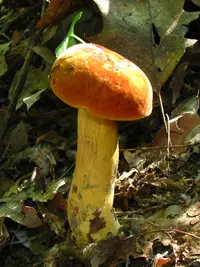
Patriotic bolete (Boletus patrioticus) is a wild, fleshy mushroom-forming fungus, not a leafy houseplant. It produces stout, reddish to bluish-staining caps with thick, pale pores underneath. The fruiting bodies appear from the ground, usually in summer and fall.

This species is native to parts of eastern North America, where it grows on soil in forests, often associated with hardwood trees. It forms mycorrhizal partnerships, meaning it depends on tree roots, so it cannot be grown like a typical potted plant.

Because of this close tree association, attempts to care for patriotic bolete at home are usually unsuccessful. It generally prefers undisturbed woodland conditions with well-drained, organic-rich soil and natural moisture patterns.


Main Plant Requirements

Care Difficulty

Moderate Care

Light Preference

Partial Shade

Water Requirements

Regular Water

Temperature Preference

Warm Climate

Hardiness Zone

Unknown

Soil Texture

Loamy, Silty, Organic-rich

Soil pH

Acidic (5.5–6.5), Slightly acidic (6.5–7.0)

Soil Drainage

Moist but well-drained

Fertilization

Minimal (feed rarely)

Get Personalized Care Plan

Scan your plant to receive care tips personalized for your specific plant

Available on iOS and Android

How to Care for the patriotic bolete

This ectomycorrhizal fungus prefers dappled woodland light rather than open, exposed sites.

  • Provide bright, filtered light under deciduous trees, with roughly 2–4 hours of soft morning sun and shade or broken light the rest of the day.
  • Patriotic bolete fruits best where summer canopy light is 20–50%, avoiding dense, deep shade that limits photosynthesis in host trees.
  • Protect fruiting areas from intense afternoon sun, which can dry caps and soil; maintain leaf litter to buffer sudden light and moisture changes.

This woodland species depends on consistently moist, well‑drained soil rather than direct, frequent watering.

  • Aim for soil that feels evenly moist 5–8 cm deep, never waterlogged; sandy loam or loam with leaf litter gives the best drainage for Boletus patrioticus.
  • If supplementing moisture, water only when the upper 3–5 cm of soil are just starting to dry, then moisten slowly so water infiltrates rather than pools.
  • During hot, dry spells, increase deep watering near host trees, but avoid daily surface sprinkling, which promotes rot and disturbs developing fruiting bodies.

This species fruits in warm, temperate conditions and is sensitive to both hard frost and extreme heat.

  • Optimal fruiting occurs around 70–82°F (21–28°C), with mycelium growth supported by mild spring and autumn temperatures in similar ranges.
  • It tolerates brief drops to about 32°F (0°C) in dormant mycelium, but repeated frosts can damage young fruiting bodies and end the season.
  • Sustained heat above 90°F (32°C) with dry soil suppresses fruiting; canopy shade, mulch, and stable woodland moisture help moderate ground temperatures.

Humidity plays only a minor role for this ectomycorrhizal fungus, which relies more on soil moisture than air humidity.

Boletus patrioticus fruits best in undisturbed, structured forest soil with stable moisture and strong aeration around tree roots.

  • Aim for a loose, crumbly, loamy substrate rich in organic matter, mimicking oak or mixed hardwood forest floor conditions.
  • Ensure rapid drainage by incorporating leaf litter, well-rotted wood chips, and a small amount of coarse sand to prevent waterlogging.
  • Keep pH slightly acidic to neutral, around 5.5–7.0, avoiding liming unless local soils are extremely acidic.
  • Do not compact the substrate; maintain a thick, uneven mulch layer so air and fine roots can penetrate easily.

This species is not suitable for container growing because it depends on complex mycorrhizal relationships with living tree roots in open soil.

This ectomycorrhizal fungus relies mainly on its tree partners, so patriotic bolete usually needs no fertilizer in natural or woodland-style plantings.

Boletus patrioticus does not require pruning because the mushroom fruiting body is temporary and the main organism lives hidden in the soil.

This species is not suited to typical container culture, so focus on transplanting host trees or adjusting site conditions rather than moving the fungus itself.

  • Avoid disturbing soil where the bolete fruits; its underground mycelium forms long-lived partnerships with tree roots.
  • If a host tree must be moved, transplant in cool, moist weather and keep as much native soil around the root ball as possible.
  • Water the transplanted tree deeply and maintain even moisture to reduce root stress and help the existing mycorrhizal network recover.
  • Limit soil compaction and tilling in the new site, since these practices can damage fungal threads and delay reestablishment.

Practical home propagation of Boletus patrioticus is unreliable, since the fungus depends on complex mycorrhizal relationships with suitable trees.

This native ectomycorrhizal fungus is generally cold hardy in its natural range and needs no specific winter care in the ground.

Care Tips

Mycelium Footprint Mapping

Before you harvest, mark the outer edge of where patriotic bolete caps appear and avoid disturbing that ring, since the hidden mycelium network extends just beyond the visible mushrooms and heavy raking or digging there can reduce future flushes.

Selective Harvest Technique

Cut the stem cleanly at the base with a disinfected knife rather than pulling, then gently press soil or leaf litter back over the spot to protect the mycelium from drying and mechanical damage.

Leaf Litter Management

Maintain a loose, uneven layer of deciduous leaf litter under host trees and only thin it lightly where caps emerge, because a thin organic layer stabilizes moisture and temperature around the mycelium without smothering young fruiting bodies.

Host Tree Health Focus

Prioritize regular health checks and proper care of the associated oaks or other host trees, since any root stress, soil compaction, or trunk damage can directly reduce the energy available for growing patriotic bolete in that area.

Site Disturbance Control

Keep foot traffic, pet paths, and equipment away from productive patches and place simple markers or stepping stones around them, as repeated compaction above the fruiting zone can crush fine mycelial threads and lower yields over time.

Common Pests and Diseases

Fungal maggots

This pest consists of fly larvae that tunnel through the mushroom flesh, creating winding galleries and making the fruiting body soft and unappealing. Symptoms include small entry holes, spongy texture, and browning inside the cap or stem.

Solution

Harvest caps when young and firm, before larvae populations build up, and cut and discard heavily infested material away from the site. In home cultivation, use fine mesh over fruiting areas to reduce egg‑laying by flies and promptly remove and destroy any infested mushrooms to lower future pressure when trying to grow Boletus patrioticus.

Slug and snail damage

These pests rasp away tissue from the cap and stem, leaving irregular holes, slime trails, and sometimes completely eaten young fruiting bodies. Symptoms include chewed edges and moist, silvery mucus on or near the mushrooms.

Solution

Hand‑pick slugs and snails in the evening or early morning and use physical barriers such as copper tape, coarse grit, or elevated racks around small cultivation beds. Keep leaf litter a bit thinner directly around expected fruiting spots to reduce hiding places while still preserving enough organic cover for the mycorrhizal host tree.

Parasitic bolete mold

This disease is caused by parasitic fungi or molds that colonize the surface of the bolete cap and pores, leading to patches of white, gray, or colored mold and rapid decay. Symptoms include a fuzzy or powdery growth, slimy texture, and accelerated breakdown of the mushroom.

Solution

Remove and discard any molded fruiting bodies immediately, including a small amount of surrounding debris, to limit spore spread. In managed sites, avoid overhead watering on developing mushrooms, maintain good airflow around the host tree, and avoid overcrowding or mulching too heavily where fruiting occurs to reduce prolonged surface moisture.

Bacterial soft rot

This disease affects the mushroom tissue, which becomes water‑soaked, slimy, and foul‑smelling, often starting at damaged areas or where insects have fed. Symptoms include wet patches on the stem or underside of the cap that quickly turn mushy and collapse.

Solution

Harvest mushrooms promptly when mature and handle them gently to avoid bruises that invite bacterial entry. Remove and discard any soft, foul‑smelling specimens from the site and avoid excessive irrigation or standing water around fruiting zones, especially during warm, humid weather.

Interesting Facts

Distinctive red bruising

The flesh of this species quickly stains blue when cut or bruised, but the surface of the pores often shows a striking red coloration, creating an unusually vivid color contrast compared with most boletes.

Localized North American range

This bolete is known only from parts of the eastern United States, where it fruits on the ground in summer and early fall, rather than being a widespread species with a broad continental distribution.

Mycorrhizal oak partner

Like many boletes, this fungus forms ectomycorrhizal associations with oak trees, exchanging mineral nutrients from the soil for sugars produced by the tree through photosynthesis.

FAQs about patriotic bolete

This mushroom is not considered edible. It is known for vivid red and blue staining and is often regarded as inedible or possibly toxic. Identification mistakes with boletes can be serious, so foraging by beginners is discouraged.

Grow Healthy Plants with Botan Care

Keep your plants happy and healthy with plant identification, disease detection, and easy care guidance.

Botan plant care app — identify plants on mobile

Explore More Plants