Winter rainfall control
In winter, keep the pot under a clear rain shield or overhang so the rosette stays dry from overhead rain, which greatly reduces crown rot in this species adapted to dry winters.

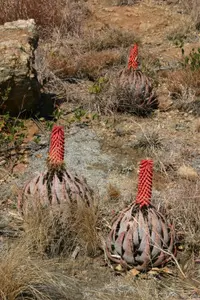
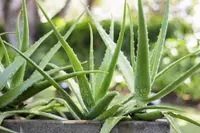
Aloe peglerae is a compact, slow-growing succulent from rocky slopes in South Africa. It forms a tight, rounded rosette of thick, blue‑green leaves with prominent reddish teeth along the edges.
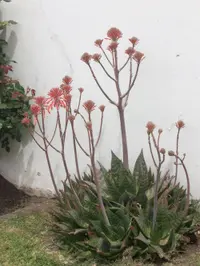
The plant usually stays small and architectural, making it suitable for containers and rock gardens in dry climates. It produces a tall flower spike in winter, topped with red to orange tubular flowers that attract pollinators.
This species prefers bright, direct light, excellent drainage, and dry conditions between waterings. Its slow growth and sensitivity to excess moisture make it moderately challenging, so learning how to care for Aloe peglerae helps prevent rot and sun stress.

Care Difficulty
Moderate Care

Light Preference
Full Sun

Water Requirements
Low Water

Temperature Preference
Warm Climate

Hardiness Zone
9–11

Soil Texture
Sandy, Loamy, Rocky

Soil pH
Slightly acidic (6.5–7.0), Neutral (7.0)

Soil Drainage
Well-drained

Fertilization
Minimal (feed rarely)
Scan your plant to receive care tips personalized for your specific plant
Available on iOS and Android
This compact aloe thrives in bright, open conditions that mimic its rocky, highland habitat.
Watering should mimic infrequent natural rainfall with fast drying between soakings.
This species prefers warm, dry conditions with cool nights and is sensitive to hard frost.
This aloe tolerates typical indoor humidity and prefers fairly dry air.
Soil must be very fast-draining and mineral-rich to keep Aloe peglerae roots healthy.
This species is well suited to container growing when drainage and stability are carefully managed.
This compact aloe comes from nutrient-poor rocky habitats and needs only light feeding in cultivation.
Pruning needs for Aloe peglerae are minimal and mainly hygienic.
This slow-growing aloe prefers a stable, tight pot and only occasional repotting.
Propagation of Aloe peglerae is possible but slow, often relying on seed rather than offsets.
This species tolerates brief light frost when dry but needs thoughtful winter management in cultivation.

Plant Health Check
Not sure what's wrong with your plant? Check your plant's health inside the app.
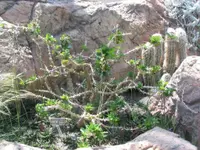
This species is naturally restricted to steep, rocky slopes of the Magaliesberg and nearby ranges in South Africa, where it grows in crevices with very shallow, well-drained soils.
It typically flowers in mid- to late winter in its native range, producing compact, rounded heads of dull red to pinkish tubular flowers that attract sunbirds, which act as primary pollinators.
Aloe peglerae is listed as Endangered on the IUCN Red List because of its very limited distribution, population decline, and pressure from illegal collecting and habitat disturbance.

This aloe forms a tight, almost spherical rosette with strongly incurved, bluish-green leaves that give it a characteristic hedgehog-like silhouette, making it one of the most morphologically distinctive aloes within its natural range.
This species usually flowers in winter once mature, which can take several years. Lack of blooms often relates to insufficient light, using high-nitrogen fertilizer, or warm winter conditions that prevent the cool, dry rest period needed for flower initiation.
Keep your plants happy and healthy with plant identification, disease detection, and easy care guidance.