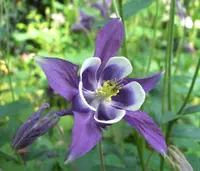
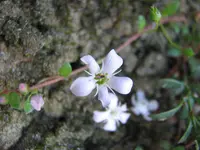
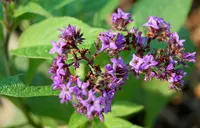
rose sage Care (Salvia eremostachya)

Also known as: desert sage, Santa Rosa Sage, Californian Desert Sage, Sand Sage

About rose sage

Rose sage, Salvia eremostachya, is a woody perennial shrub from arid regions of the southwestern United States and northern Mexico. It naturally grows on rocky slopes and desert scrub.

Plants form upright clumps with narrow, gray-green leaves and showy purple to rose-pink flower spikes that attract bees and hummingbirds. The foliage has a pleasant, resinous scent when touched.

This species is adapted to intense sun, high heat, and low rainfall, which makes it relatively low-maintenance in dry gardens. Understanding these desert origins helps guide how to care for rose sage, especially regarding watering and soil drainage.

It suits xeriscapes, native plant gardens, and exposed slopes where many other ornamentals would struggle.

Main Plant Requirements

Care Difficulty

Easy Care

Light Preference

Full Sun

Water Requirements

Low Water

Temperature Preference

Warm Climate

Hardiness Zone

9–11

Soil Texture

Sandy, Loamy, Rocky

Soil pH

Slightly acidic (6.5–7.0), Neutral (7.0)

Soil Drainage

Well-drained

Fertilization

Minimal (feed rarely)

Get Personalized Care Plan

Scan your plant to receive care tips personalized for your specific plant

Available on iOS and Android

How to Care for the rose sage

This desert sage thrives with strong sun but benefits from some seasonal moderation.

  • Provide 6–8 hours of direct sun daily; in very hot inland areas, aim for morning sun with light afternoon shade.
  • Plant rose sage in an open, unshaded spot outdoors; it tolerates brief partial shade but flowering and compact growth decline with less light.
  • Watch for stress: pale, leggy stems suggest insufficient light, while scorched, crispy leaf edges indicate too much intense afternoon sun in summer.

This drought-adapted shrub prefers infrequent, deep watering and fast-draining soil.

  • Allow the top 5–8 cm of soil to dry completely before watering; in arid climates this may mean every 10–21 days once established.
  • Use very well-draining, gritty soil or a slope so Salvia eremostachya never sits in water, which leads to root rot and yellowing lower leaves.
  • Reduce watering in cool seasons; wrinkled, drooping leaves signal underwatering, while soft stems, persistent wet soil, or fungus growth indicate overwatering.

This species is adapted to hot, dry climates and needs protection from hard frost.

  • Optimal growth occurs around 70–90°F (21–32°C), with warm, dry air and good airflow supporting dense foliage and flowering.
  • Mature plants often tolerate brief dips to about 20–25°F (-6 to -4°C), but repeated freezes or wet cold conditions increase stem and root damage.
  • In extreme heat above 100°F (38°C), provide deep soil moisture and, if possible, light afternoon shade to reduce heat stress and leaf scorch.

This desert-adapted sage thrives in dry air, so humidity control is rarely necessary.

This species prefers very well-drained, lean, sandy soil that mimics arid native conditions.

  • Use a gritty mix: 50–60% coarse sand or small gravel, 20–30% loam, and 10–20% fine bark or compost for slight organic content.
  • Ensure rapid drainage; water should pass through the pot or bed within seconds rather than pooling on the surface.
  • Aim for slightly alkaline to neutral pH around 7.0–8.0, avoiding peat-heavy blends that acidify and hold excess moisture.
  • For Salvia eremostachya, avoid clayey or compacted ground and break up any hardpan layer to improve aeration around the root zone.

This species can grow successfully in containers when drainage and stability are prioritized.

  • Select a deep, heavy terracotta or concrete pot to reduce tipping in windy, exposed positions and to moderate rapid drying.
  • Top-dress the soil surface with a 1–2 cm gravel layer to minimize stem rot from splashing and to keep the crown drier.
  • Place the container on pot feet or bricks so drainage holes remain unobstructed and excess water escapes quickly after rain or irrigation.

This drought-adapted shrub sage needs only modest feeding to maintain healthy growth and flowering.

  • Use a light application of compost or a low-dose balanced NPK fertilizer (around 5-5-5) at the start of spring.
  • Feed in-ground plants once per year; containers can receive diluted liquid feed every 4–6 weeks in the growing season.
  • Dilute liquid fertilizer to 1/2–1/4 strength to avoid soft, weak growth in rose sage.
  • Stop feeding in late summer so the plant hardens off before cooler weather and natural dormancy.

Thoughtful pruning keeps Salvia eremostachya compact, longer-lived, and floriferous.

  • Prune in late winter or very early spring before new growth begins.
  • Remove dead, damaged, or crossing stems first, then thin crowded interior shoots to improve air flow.
  • Lightly shorten remaining stems to shape the plant and encourage more branching and flowering.
  • Use clean, sharp hand pruners and make cuts just above a leaf node to reduce dieback.

This species is more often transplanted in the landscape than kept long term in containers.

  • Transplant in early spring or fall when temperatures are mild and soil is workable.
  • Look for roots circling the pot, slow growth, or rapid drying soil as signs a container plant needs a larger home.
  • Move up only 1 pot size, gently loosen circling roots, and keep as much root ball intact as possible to limit stress.
  • Water thoroughly after transplanting, then keep soil slightly moist (not wet) for 1–2 weeks while roots re-establish.

New plants are most commonly raised from semi-ripe cuttings or seeds.

  • Take 7–10 cm soft to semi-ripe stem cuttings in late spring or early summer, just below a node.
  • Remove lower leaves, dip the cut end in rooting hormone, and place in a fast-draining, slightly moist mix under bright, indirect light.
  • Maintain 70–75°F and moderate humidity until roots form, then gradually increase light and reduce moisture.
  • Sow seeds in warm, well-draining soil in spring, covering lightly and keeping just moist until germination.

This desert-adapted sage prefers mild, dry winters and has limited frost tolerance.

  • In-ground plants in mild climates usually survive light frosts but may suffer tip dieback below about 25°F.
  • Apply a 5–8 cm layer of dry mulch around, but not touching, the crown to buffer root temperatures in colder areas.
  • Move container plants to a bright, cool, frost-free spot and keep soil on the dry side during winter.
  • Avoid heavy pruning or high nitrogen feeding late in the season so stems harden before freezing conditions.

Care Tips

Renewal pruning cycle

Every 2–3 years, cut back one-third of the oldest, woody stems to the base in late winter to keep the plant compact and stimulate vigorous new flowering growth.

Heat stress management

In very hot inland sites, use light-colored gravel mulch and avoid reflective walls right next to the plant to reduce root-zone heat stress and prevent leaf scorch on exposed sides.

Targeted deadheading

After the first main bloom flush, remove spent flower spikes down to the first strong set of side shoots to encourage a second, lighter bloom without exhausting the plant.

Low-water establishment

During the first growing season, water deeply but infrequently, then gradually extend the interval between waterings over 6–9 months so the roots anchor deeply and the plant transitions to true drought tolerance when growing rose sage.

Selective staking support

In windy, exposed beds, place a low, semicircular shrub support or a pair of discreet stakes on the windward side early in the season to prevent tall flowering stems from lodging or snapping.

Common Pests and Diseases

Whiteflies

This pest often builds up on the undersides of leaves, especially in warm, dry, sheltered plantings where airflow is low. Symptoms include sticky honeydew, yellowing foliage, and tiny white insects flying up when the plant is disturbed.

Solution

Control populations by regularly hosing down the foliage from below, using yellow sticky traps to catch adults, and treating the undersides of leaves with insecticidal soap or a neem-based spray every 5–7 days until numbers drop. Improving air movement around stems and avoiding dense overcrowding also makes conditions less favorable for whiteflies.

Spider mites

These insects thrive in hot, dry conditions typical of desert gardens and can cause stippled, dull leaves and fine webbing along stems and leaf joints. Symptoms include slowed growth and premature leaf drop when infestations are heavy.

Solution

Manage mites by rinsing foliage thoroughly with a strong but gentle stream of water, focusing on leaf undersides, and repeating several times per week. For persistent problems, apply insecticidal soap or horticultural oil in the early morning, and keep the plant slightly cleaner and less dusty to reduce reinfestation, which is a key part of Salvia eremostachya plant care in arid climates.

Leafhoppers

These insects feed by piercing and sucking sap from young leaves and stems, which can cause pale speckling, curling, or marginal browning on foliage. This pest may also transmit minor leaf yellowing or distortion if populations become high.

Solution

Reduce damage by removing weeds and excess groundcover near plants, then using a firm water spray to knock insects off stems. If needed, apply insecticidal soap to young growth in the evening and repeat at 5–7 day intervals, monitoring new leaves for recovery.

Botrytis blight

This disease sometimes appears during unusually cool, damp periods or in poorly ventilated plantings, leading to soft, brown patches on leaves or flowers that develop a gray, fuzzy mold. Symptoms include wilting of affected shoots and premature flower drop.

Solution

Prune out and discard infected tissue, then thin crowded stems to increase airflow and ensure the plant dries quickly after rain or irrigation. Water at the base in the morning rather than overhead, and in severe cases use a labeled fungicide spray during prolonged cool, wet weather to protect new growth.

Interesting Facts

Desert chaparral specialist

This species is native to arid desert scrub and chaparral of southern California and Baja California, where it grows on rocky, well-drained slopes and washes rather than in moist or shaded habitats.

Woolly leaf adaptation

Its gray-green leaves are densely covered with fine hairs, which reduce water loss and reflect intense sunlight, an adaptation typical of desert shrubs that helps the plant survive prolonged drought.

Long-blooming desert flowers

In its native range it produces spikes of purple to violet flowers over an unusually long spring-to-summer season, providing extended nectar resources for native bees and hummingbirds in otherwise harsh, dry landscapes.

Botan icon

Did you know?

Genetic and morphological studies place this species in a small, distinct group within the mint family (Lamiaceae) adapted to North American deserts, where it shows a combination of traits from both classic salvias and the more woolly, drought-specialized desert mints.

FAQs about rose sage

Limited flowering usually comes from insufficient light, excessive fertilization, or old, woody stems. Ensure full sun, avoid high-nitrogen feed, and lightly prune after the main flush to stimulate new, flower-producing growth on this species.

Grow Healthy Plants with Botan Care

Keep your plants happy and healthy with plant identification, disease detection, and easy care guidance.

Botan plant care app — identify plants on mobile

Explore More Plants