Rosy Cress Care (Arabis collina)

Rosy Cress

About Rosy Cress

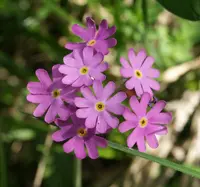
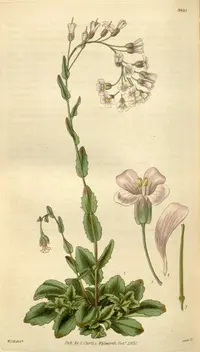
Rosy cress, Arabis collina, is a small, low-growing perennial often used as a rock garden or edging plant. It forms dense mats of foliage that can help cover bare soil. Clusters of small, soft pink to rosy flowers appear above the leaves, giving a delicate but noticeable display in the flowering season. The plant naturally occurs in rocky or mountainous areas of Europe, which shapes its preference for well-drained, rather lean soils. It is generally considered easy to grow if kept in sun to light shade and protected from soggy conditions. Its compact habit and modest needs make it straightforward to care for Rosy Cress in many temperate gardens.

Main Plant Requirements

Care Difficulty

Easy Care

Light Preference

Full Sun

Water Requirements

Moderate Water

Temperature Preference

Cold Hardy

Hardiness Zone

4–8

Soil Texture

Sandy, Loamy, Rocky

Soil pH

Acidic (5.5–6.5), Slightly acidic (6.5–7.0)

Soil Drainage

Well-drained

Fertilization

Minimal (feed rarely)

Get Personalized Care Plan

Scan your plant to receive care tips personalized for your specific plant

Available on iOS and Android

How to Care for the Rosy Cress

Arabis collina needs bright outdoor light to flower well and stay compact.

  • Provide 4–6 hours of direct morning sun with light afternoon shade, especially in hotter regions, to avoid leaf scorch and drying of shallow roots.
  • Plant in a spot with open sky and only light dappled shade; dense shade reduces flowering and causes plants to stretch and weaken.
  • In summer, protect from intense sun between 12–4 p.m., while in winter full sun is beneficial for Rosy Cress, especially in cooler climates.

Arabis collina prefers slightly dry, well-drained soil rather than constant moisture.

  • Water when the top 2–3 cm of soil feels dry, then soak the root zone thoroughly and allow excess to drain away completely.
  • During cool seasons and after flowering, reduce watering frequency, as growth slows and the plant is more prone to soggy soil and root problems.
  • Yellowing, soft leaves and a musty smell suggest overwatering, while limp, thin foliage and very dry, crumbly soil indicate underwatering or drought stress.

This alpine perennial handles cool conditions well but grows best within a moderate temperature range.

  • Active growth is strongest around 55–70°F (13–21°C), typical of mild spring and early summer weather in many temperate regions.
  • Mature plants tolerate drops to about 0°F (-18°C) with good drainage, though foliage may scorch in prolonged freeze-thaw cycles.
  • Heat above 85°F (29°C), especially with strong sun, can stress plants; give afternoon shade and extra airflow during hot spells to limit decline.

Humidity is rarely critical for Arabis collina, which adapts well to typical household or outdoor conditions.

  • Prefers 30–50% humidity, similar to most temperate indoor and outdoor environments.
  • Tolerates dry air well; Rosy Cress usually shows stress only with heat plus drought, not from low humidity alone.
  • Wilting and crisp leaf edges usually indicate underwatering or heat stress, so improve watering and shade rather than raising humidity.

Arabis collina grows best in light, sharply drained soil that prevents waterlogging around the roots.

  • Use a gritty mix such as 50–60% sandy or loamy garden soil with 40–50% mineral material like coarse sand, fine gravel, or perlite for drainage.
  • Keep pH slightly alkaline to neutral (7.0–7.8) by avoiding acidic peat-based mixes and incorporating a small amount of garden lime if soil is very acidic.
  • Ensure a crumbly structure with many air gaps; mix in coarse sand or small grit to improve aeration, especially in heavy or compacted substrates.
  • Avoid dense clay, peat-heavy, or water-retentive mixes, which increase root rot risk and shorten plant lifespan.

This species is well suited to container growing, especially in shallow, free-draining pots and troughs.

  • Select a broad, shallow container that matches the plant’s spreading habit, which keeps the root zone cool and prevents crowding near the surface.
  • Use a gritty top dressing of fine gravel to reduce surface compaction, improve runoff, and protect the crown from constant moisture.
  • Choose an unglazed clay or stone pot when possible, as the porous walls allow faster moisture loss and help prevent prolonged soggy conditions.

Arabis collina is a modest feeder that benefits from light nutrition in poor or very sandy soils.

  • Use a balanced, diluted liquid fertilizer (e.g., 10-10-10 at 1/2 strength) or fine compost during active spring growth.
  • Feed every 4–6 weeks through late spring while plants are producing new leaves and flower buds.
  • Avoid fertilizing in late fall and winter, when growth slows and excess nutrients can weaken plants.
  • On fertile garden soils, skip synthetic products and rely on a thin topdressing of compost for caring for Rosy Cress.

Arabis collina responds well to light pruning that keeps the mat dense and flowering well.

  • Shear back spent flower stems in late spring to encourage a compact shape and possible light rebloom.
  • Remove dead, damaged, or leggy stems with clean hand pruners to maintain a dense groundcover.
  • Thin crowded patches slightly to improve air movement and reduce fungal issues.
  • Edge or trim straggling growth after flowering to keep plants within their allotted space.

This alpine perennial is more often transplanted in the garden than grown long term in containers.

  • Transplant in early spring or early fall, when temperatures are mild and soil stays evenly moist.
  • Move clumps if growth becomes sparse in the center or flowering declines after several years.
  • Lift plants with a trowel, keeping as much root ball and surrounding soil intact as possible.
  • Water gently after replanting and shade for a few days to reduce root stress and transplant shock.

Arabis collina is commonly propagated by division, cuttings, or seed to refresh older plantings.

  • Divide established clumps in early spring or early fall, replanting vigorous outer sections.
  • Take short, non-flowering stem cuttings in late spring, root in a gritty, moist but well-drained mix.
  • Sow fresh seed in late summer or fall outdoors; cool conditions improve germination.
  • Keep young divisions and seedlings evenly moist and lightly shaded until well established.

This species is generally cold hardy in temperate climates and needs minimal winter attention.

  • In regions with severe frost, apply a light mulch around the root zone after the ground cools, not touching crowns.
  • Avoid heavy, wet mulches that can cause rot during freeze–thaw cycles.
  • For container plants in very cold areas, move pots to a sheltered, unheated but frost-sheltered spot.

Care Tips

Rocky edge placement

Plant near the top or edge of rock walls or raised beds so the stems can trail naturally while keeping the crown slightly elevated and better drained over winter.

Shear for rebloom

Right after flowering, shear back the spent flower stems by 5–8 cm to encourage a denser mat of foliage and a lighter second flush of blooms.

Winter crown protection

In colder regions, apply a thin, gritty mulch such as sharp sand or fine gravel around, but not over, the crown in late fall to reduce freeze–thaw damage and crown rot.

Divide aging clumps

Every 3–4 years, lift and divide crowded or thinning mats in early fall, replanting only the firm, vigorous outer sections to maintain a compact, floriferous planting.

Crevice planting technique

To grow Arabis collina successfully in rock crevices, tuck small divisions into narrow gaps filled with gritty mix, firm them in tightly, and water once to settle roots without leaving air pockets.

Common Pests and Diseases

Downy mildew

This disease causes yellow, pale, or reddish patches on Arabis leaves, with a grayish to white downy growth on the undersides in cool, damp weather.

Solution

Remove and dispose of affected leaves, avoid overhead watering, and keep plants spaced for strong airflow; in persistent humid conditions, use a copper- or phosphonate-based fungicide labeled for ornamental brassicas, applied according to label directions.

Clubroot

This disease leads to swollen, distorted roots, stunted growth, and yellowing foliage, especially in cool, wet, acidic soils.

Solution

Remove and dispose of infected plants with as much surrounding soil as possible, improve drainage, and avoid replanting brassica relatives in the same spot; raising soil pH toward neutral and rotating with non-brassica species reduces future risk and supports long-term Arabis collina plant care.

Flea beetles

These insects chew many small round holes in leaves, giving them a shot-holed or lace-like appearance, especially on young growth in spring.

Solution

Cover plants with fine mesh or row cover during peak beetle activity, reduce nearby brassica weeds, and use sticky traps or targeted low-impact insecticides like spinosad or pyrethrin if damage is severe, following label instructions.

Cabbage aphids

These insects cluster on young stems and leaf undersides, often appearing gray-green with a waxy coating, and cause curling, distortion, and sticky honeydew on foliage.

Solution

Spray plants with a strong stream of water to dislodge colonies, remove heavily infested shoots, and if needed apply insecticidal soap or horticultural oil, ensuring thorough coverage of leaf undersides and repeat treatments as required.

Leaf spot

This disease produces small brown to purplish spots on leaves that may merge into larger blotches, causing premature leaf drop under prolonged wet conditions.

Solution

Remove and discard affected leaves, water at soil level rather than from above, and thin or space plants for better airflow; in recurring cases, apply a broad-spectrum ornamental fungicide during wet periods according to label guidance.

Interesting Facts

Rock slope specialist

This species naturally occurs on rocky slopes and outcrops in parts of southeastern Europe, where it grows in shallow, mineral-rich soils with very good drainage.

Early spring bloomer

Arabis collina typically flowers in early spring, producing small white to pale pink, four-petaled blossoms that offer nectar to early-season pollinators when few other flowers are available.

Mat-forming growth

It tends to form low, spreading mats or cushions, an adaptation that helps it resist wind exposure and temperature fluctuations in its native open, rocky habitats.

FAQs about Rosy Cress

This species forms low, slowly widening clumps or mats, but it is not usually aggressive. It can self-seed in suitable sites, yet seedlings are easy to thin or relocate if space is limited.

Grow Healthy Plants with Botan Care

Keep your plants happy and healthy with plant identification, disease detection, and easy care guidance.

Botan plant care app — identify plants on mobile

Explore More Plants