


Cooler summer rest
In climates with hot summers, move plants to a shaded, cooler spot or a north-facing side of the garden from late spring to late summer to prevent heat stress and extend their lifespan.

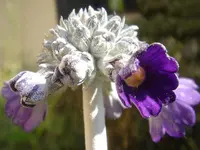
The round-headed Himalayan primrose, Primula capitata, is a compact perennial often grown for its unusual drumstick-like flower clusters. Rounded heads of many small, violet to purple blooms rise above a low rosette of softly textured, often powdery leaves.
This species is native to cool, moist mountain habitats of the Himalayas, where it grows in open, humus-rich ground. It prefers cool summers, consistent moisture, and free-draining but not dry soil, which can make it more challenging in hot or arid climates.
Gardeners who care for round-headed Himalayan primrose usually succeed by matching its cool, moist, partially shaded alpine conditions as closely as possible.

Care Difficulty
Moderate Care

Light Preference
Partial Shade

Water Requirements
Keep Soil Moist

Temperature Preference
Cool Climate

Hardiness Zone
4–8

Soil Texture
Loamy, Peaty, Organic-rich

Soil pH
Acidic (5.5–6.5), Slightly acidic (6.5–7.0)

Soil Drainage
Moist but well-drained

Fertilization
Light (every 4–6 weeks)
Scan your plant to receive care tips personalized for your specific plant
Available on iOS and Android
This alpine primrose prefers cool, bright conditions with protection from intense midday sun.
This plant needs consistently moist but not waterlogged soil, especially in active growth and flowering periods.
This cool-climate perennial prefers moderate temperatures and dislikes extreme heat or severe, exposed frost.
This species prefers cool, moist air and benefits from moderately high humidity.
Primula capitata grows best in moist, airy, organic-rich soil that never becomes waterlogged.
This species is suitable for cool, moist container culture outdoors or in sheltered spots.
Primula capitata benefits from light, consistent nutrition during its active growth period.
Primula capitata needs light, targeted pruning to stay tidy and flower well.
This primula is often short-lived but may need transplanting or repotting when clumps thicken or growth slows.
Primula capitata is commonly propagated by division or from seed under cool, moist conditions.
This species is reasonably cold tolerant but benefits from simple winter protection, especially in colder regions.

Plant Health Check
Not sure what's wrong with your plant? Check your plant's health inside the app.
The flower stems and buds are covered in a dense, mealy white coating called farina, a waxy secretion that helps reduce water loss and protect delicate tissues from cold and intense light in its native high-altitude habitats.
Primula capitata is naturally found in moist alpine meadows and stream edges of the eastern Himalayas, often at elevations above 3,000 m, where cool temperatures, snowmelt moisture, and high light shape its growth and flowering patterns.
The species forms tight, drumstick-like globes of many small violet to bluish-purple flowers, an inflorescence structure that likely aids in attracting pollinators by presenting a large, concentrated visual and nectar resource in a compact space.

Some color forms of Primula capitata were selected and circulated in European gardens by the late 19th and early 20th centuries as ornamental novelties, helping introduce Himalayan primroses into cool-climate collections and specialist alpine plant shows.
This species usually blooms in late spring to early summer, often May–July, depending on climate. Individual flower heads typically stay attractive for 2–4 weeks, especially if kept cool and evenly moist, with spent stems removed promptly.
Keep your plants happy and healthy with plant identification, disease detection, and easy care guidance.

Musky-smelling Dendrobium
Dendrobium moschatum
Common butterwort
Pinguicula vulgaris

American white waterlily
Nymphaea odorata
Drosera paleacea
Drosera paleacea
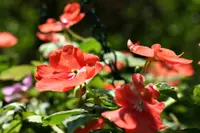
Busy lizzie
Impatiens walleriana
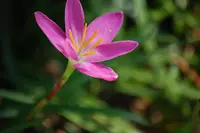
rosepink zephyr lily
Zephyranthes minuta
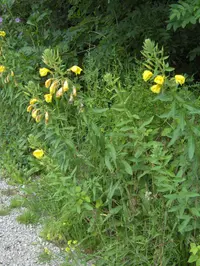
intermediate evening-primrose
Oenothera × fallax
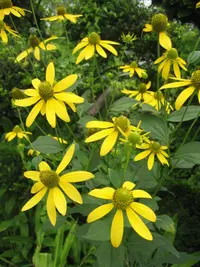
cutleaf coneflower
Rudbeckia laciniata