
pawpaw Identification (Asimina triloba)

Recognize pawpaw by its large, simple leaves, usually 8 to 12 inches (20 to 30 cm) long, arranged alternately in two flat ranks along the twig.

It often forms a small understory tree or thicket, with slender trunks and solitary, nodding flowers with six fleshy maroon petals.

Asimina triloba Identification

Is This pawpaw?

Not sure about your plant ID? Upload a photo and check it with Botan.

Clear images work best. Avoid photos taken too close or too far away

Check the leaves, flowers, and fruit shape first.

  • Leaves are simple and alternate, not divided, with a broad oblong shape and smooth edges.
  • Individual leaves are large, often 6-12 inches (15-30 cm) long, and hang in a drooping, layered look.
  • Flowers hang singly from twigs and have 6 petals in two sets of 3, with a dark maroon color.
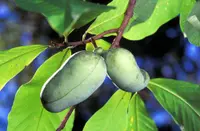
  • Fruits are oblong to slightly curved, green, and usually borne singly or in small clusters.

Large drooping leaves plus maroon 6-petaled flowers are especially useful visual clues.

Asimina triloba shows clear visual shifts from a sparse sapling to fruiting tree.

  • Seedling: Seedlings usually show a single, upright stem with a few broad, drooping leaves and little branching, giving a thin, wand-like outline unlike older plants.
  • Young plant: Young plants are often unbranched or lightly branched, with oversized simple leaves 6-12 inches (15-30 cm) long clustered toward stem tips.
  • Flowering stage: Before full leaf expansion, maroon flowers hang singly from older twigs; each has six fleshy petals in two whorls, making reproductive shoots easy to spot.
  • Fruiting stage: Fruiting branches carry short clusters of green, oblong fruits that hang beneath leaves, changing the crown from open and spare to visibly weighted.

In spring, pawpaw is easier to spot when its maroon, nodding flowers appear on bare twigs before or with the leaves. The large leaves then unfold and create a distinctly tropical look by early summer. By late summer to early fall, green fruits become large and noticeable, then soften as they ripen. In fall, the leaves often turn clear yellow before dropping.

Several eastern North American understory trees can be mistaken for pawpaw at a glance.

American persimmon(Diospyros virginiana)

Both have simple, alternate, oval leaves on small trees. Persimmon twigs are slimmer, and its fruit is a round berry, not a green oblong cluster. Older bark becomes deeply blocky.

cucumber tree(Magnolia acuminata)

It also has large, simple leaves and a similar young-tree outline. Magnolia leaves are usually broader and often cluster near twig tips, and the fruit is a cone-like aggregate, not a smooth fleshy fruit.

Asimina triloba is native to eastern North America, from the Great Lakes and New York south to Florida and west to eastern Texas, Oklahoma, Kansas, and Nebraska. It is most often found in rich, moist deciduous woodland, stream valleys, floodplains, and shaded lower slopes. In the wild, seeing it in understory forest rather than open dry ground helps narrow the identification.

  • Seeds and skin: Pawpaw seeds and skin are not eaten and are associated with poisoning risk if ingested by humans or pets.
  • Fruit flesh sensitivity: Even ripe fruit flesh can cause stomach upset in some people after ingestion. Contact with fruit, leaves, or twigs can also irritate skin in sensitive people.

Confirm It from a Photo

Use Botan to identify or verify the plant from a photo, which helps reduce mix-ups with similar species.

FAQ

The best clue for pawpaw identification is the leaf: simple, alternate, and unusually large, often 6 to 12 inches (15 to 30 cm) long, with smooth edges and a drooping, tropical-looking shape.

More Plant Identification Guides

One Photo. More About Your Plant.

Identify a plant from a photo with Botan, then get species-specific care information, safety notes, and common problems.

Botan app identifying a plant from a photo
Banana Peel Water for Plants: 5 Things to Know Before Trying It

5 min read · 9 Jul 2026

Banana Peel Water for Plants: 5 Things to Know Before Trying It

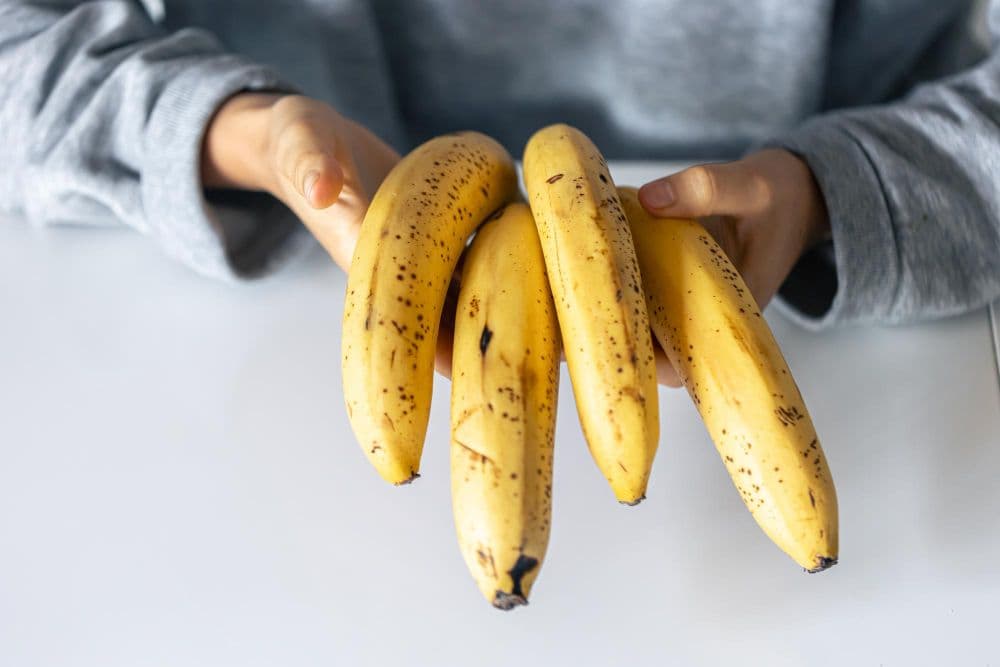
Banana water can provide potassium and some nutrients that may support plant growth, but it is not a universal fix. Use it carefully and only when the plant actually shows signs of nutrient deficiency rather than as a routine treatment.

Plant Care
Banana Peel Water for Plants: 5 Things to Know Before Trying It
How to Bottom Water Plants: Complete Guide

6 min read · 13 Jul 2026

How to Bottom Water Plants: Complete Guide

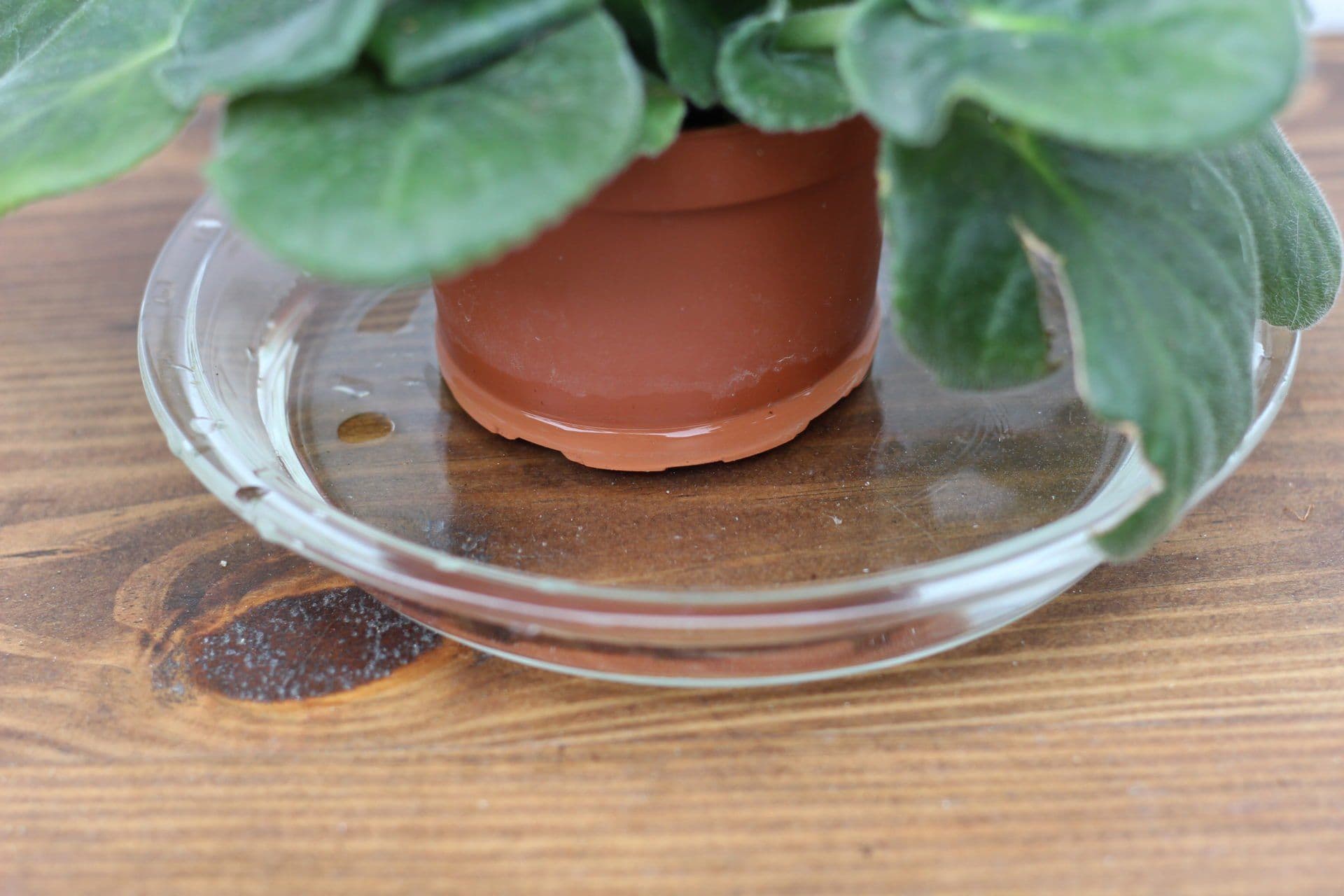
Bottom watering helps soil absorb moisture evenly and keeps foliage dry, reducing the risk of missed dry spots or root problems. Place the pot in a tray of water for a short time, then let it drain well.

Plant Care
How to Bottom Water Plants: Complete Guide
20 Funny Plant Names That Make You Laugh

8 min read · 16 Oct 2026

20 Funny Plant Names That Make You Laugh

Some plants carry names that sound like jokes. This guide explains the origins of 20 funny plant names. You will also see which of these plants you can grow at home.

Plant Recommendations
20 Funny Plant Names That Make You Laugh