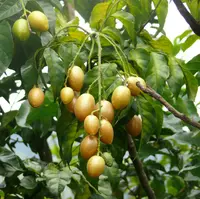
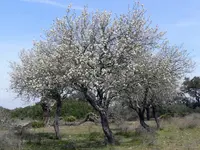
pawpaw Care (Asimina triloba)

Also known as: common pawpaw, dog-banana, Indian-banana, Indiana banana, fetid-bush, bandango, custard apple, false-banana
pawpaw

About pawpaw

Pawpaw, Asimina triloba, is a small deciduous fruit tree native to woodlands and river valleys of eastern North America. It naturally forms a narrow, pyramidal crown with large, drooping leaves that create dense shade.

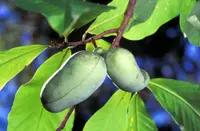
The tree produces edible, custard-like fruits with a tropical aroma, along with distinctive maroon spring flowers. It is generally hardy and long-lived but can be slow to establish, and young trees dislike root disturbance.

Pawpaw prefers moist, well-drained, slightly acidic soil and shelter from strong wind when young. Understanding how to care for pawpaw helps gardeners get reliable flowering and fruiting over time.

Main Plant Requirements

Care Difficulty

Moderate Care

Light Preference

Partial Sun

Water Requirements

Moderate Water

Temperature Preference

Cold Hardy

Hardiness Zone

5–9

Soil Texture

Loamy, Clay, Organic-rich

Soil pH

Acidic (5.5–6.5), Slightly acidic (6.5–7.0)

Soil Drainage

Moist but well-drained

Fertilization

Minimal (feed rarely)

Get Personalized Care Plan

Scan your plant to receive care tips personalized for your specific plant

Available on iOS and Android

How to Care for the pawpaw

Asimina triloba performs best in bright conditions that mimic a light woodland edge.

  • Provide 4–6 hours of direct morning sun with light afternoon shade, especially in hotter regions, to support flowering and fruiting.
  • Allow young trees 2–4 years in partial shade or filtered light to prevent leaf scorch, then gradually increase sun as bark and leaves toughen.
  • Avoid dense shade, which reduces flowering and fruit set, and protect from intense, all-day summer sun that can burn foliage during heatwaves.

Asimina triloba prefers evenly moist, deep soil without prolonged waterlogging.

  • Water when the top 3–5 cm of soil feel dry, allowing a slow soak that penetrates 20–30 cm to reach the main root zone.
  • Use well-drained, loamy soil; persistent puddling, sour smell, or yellowing leaves with soft stems indicate overwatering and poor drainage.
  • In summer drought, increase deep watering frequency; in fall and winter, reduce frequency while preventing complete soil drying, watching for drooping leaves as a sign of thirst.

This temperate tree handles cold winters and warm summers but benefits from moderated extremes.

  • Active growth is strongest around 70–85°F (21–29°C), with steady development and reliable flowering in regions with warm summers.
  • Dormant trees tolerate about -15°F (-26°C); short dips slightly lower are possible, but young saplings need protection from severe arctic blasts.
  • Mature trees handle summer heat up to 90–95°F (32–35°C) if soil moisture is consistent, but extended heatwaves combined with drought can cause leaf scorch and fruit drop.

Asimina triloba grows best in moderately humid outdoor air and rarely needs special humidity management.

  • Target ambient humidity around 40–60% but focus more on consistent soil moisture than air moisture.
  • The tree tolerates typical dry summer air if roots are shaded and soil does not dry out completely.
  • Humidity stress appears as marginal leaf scorch and premature yellowing, which usually improves by mulching and reducing hot, drying wind exposure.

Asimina triloba prefers deep, moist, well-aerated loam that mimics a rich forest edge.

  • Use a loamy mix composed of roughly 40% native soil, 40% composted organic matter, and 20% coarse material such as pine bark fines or coarse sand for structure.
  • Aim for slightly acidic soil, pH 5.5–7.0, avoiding very alkaline conditions that can limit nutrient uptake and stunt growth.
  • Ensure steady drainage, so water moves through within a few minutes, but incorporate organic matter to hold moisture and prevent complete drying.
  • Avoid compacted clay, waterlogged low spots, or pure sand; improve drainage and aeration by double-digging, loosening to 30–40 cm, and blending in coarse amendments.

This species can be grown in containers for several years, mainly for young plants or breeding purposes.

  • Choose a tall, narrow container at least 35–45 cm deep to accommodate its strong taproot and limit circling roots.
  • Use a heavy, stable pot material or add weight at the base because the plant becomes top-heavy as stems elongate.
  • Select a container with multiple side and bottom drainage holes so excess water exits quickly and the lower root zone does not stay saturated.

Pawpaw generally needs modest fertilization, especially on reasonably fertile soil.

  • Use a balanced slow-release fertilizer (around 10-10-10) or well-rotted compost once in early spring as growth begins.
  • Apply a light second feeding in early summer only if growth is weak or soil is poor.
  • Keep fertilizer 10–15 cm from the trunk and water in well to avoid root burn.
  • Do not feed during late fall or winter dormancy, and avoid high-strength or undiluted products.

Asimina triloba benefits from light, structured pruning to maintain form and fruiting wood.

  • Time main pruning for late winter to very early spring before bud break.
  • Remove dead, damaged, crossing, or inward-growing branches using clean, sharp bypass pruners or loppers.
  • Thin crowded interior shoots to improve light penetration and air flow through the canopy.
  • Shape the tree to an open, moderately low framework to support fruit and ease harvest.

This species dislikes root disturbance, so transplant sparingly and with care.

  • Look for roots circling the container drainage holes or stalled growth as signs a young tree needs a larger pot or planting out.
  • Plan transplanting for early spring before leaf-out, or very early fall while soil is still warm.
  • Handle the deep taproot gently, keeping as much soil around the root ball as possible to limit stress.
  • Water thoroughly after transplanting, then shade for 1–2 weeks and keep soil evenly moist until established.

Propagation of Asimina triloba is usually done from seed, with grafting used for named cultivars.

  • Sow fresh, cleaned seed in fall outdoors or stratify 3–4 months at 35–45°F in moist medium before spring sowing.
  • Use deep containers or nursery beds with loose, well-drained, slightly acidic soil to accommodate the taproot.
  • Keep the seed zone evenly moist and warm (70–80°F) during germination, which can take several weeks.
  • Graft desired cultivars onto vigorous seedling rootstocks in late winter using whip-and-tongue or similar techniques.

Mature trees are cold hardy in much of the US and usually require minimal winter care.

  • Young plants benefit from 5–8 cm of mulch over the root zone, kept away from the trunk, to moderate soil temperature.
  • In very cold or exposed sites, wrap young trunks with breathable tree wrap to reduce bark injury.
  • Move container-grown plants into an unheated garage or sheltered cold frame where roots stay above about 20°F.

Care Tips

Pollination assistance

Hand-pollinate flowers in spring using a soft brush to transfer pollen between unrelated trees, which greatly improves fruit set in home gardens.

Shade young trunks

For the first 2–3 summers, use a shade cloth screen or a white tree guard on the south and west sides to prevent sunscald on thin young bark.

Mulch for root comfort

Maintain a 5–8 cm layer of leaf mold or shredded bark over the root zone, keeping it a few cm away from the trunk, to keep roots cool and stable while suppressing weeds.

Selective fruit thinning

When clusters set heavily, remove excess young fruits by hand, leaving 1–2 per cluster, to reduce limb stress and promote larger, better-quality fruit.

Rodent and borer checks

Inspect the lower trunk and root collar each month for gnawing damage or borer entry holes and install a breathable trunk guard if wildlife pressure is high, which is especially helpful when caring for pawpaw in mixed woodland edges.

Common Pests and Diseases

Zebra swallowtail caterpillars

This pest feeds almost exclusively on pawpaw foliage, chewing large, irregular holes and sometimes stripping young shoots. Symptoms include skeletonized leaves and a noticeable presence of black-and-white banded caterpillars with red markings.

Solution

Handpick caterpillars from reachable branches and relocate them away from the tree when defoliation becomes heavy. For young or small trees, use fine mesh netting during peak egg-laying periods in spring to limit feeding, and maintain overall tree vigor with adequate water and mulch so mild defoliation does not cause lasting damage.

Pawpaw peduncle borer

This insect targets the flower stalks (peduncles), causing blossoms and small developing fruits to wilt, turn black, and drop prematurely. Symptoms include shriveled flower clusters that break off easily, often with small entry holes or frass in the peduncle tissue.

Solution

Prune and destroy wilted or blackened flower clusters as soon as they are noticed to remove larvae before they complete development. Keep the area under trees free of dropped blossoms and fruit, and monitor flowering shoots each spring so infestations are removed early; in severe cases, consult local extension guidance on timing targeted insecticidal sprays to the flowering period.

Pawpaw leaf spot

This disease causes circular to irregular brown or purplish lesions on leaves that may merge into larger dead areas later in the season. Symptoms include premature yellowing and dropping of heavily affected foliage, especially in warm, humid weather.

Solution

Remove and dispose of fallen leaves in autumn to reduce fungal spores overwintering near the tree. Improve air circulation by avoiding overcrowding, water at soil level rather than overhead, and in cases of repeated severe outbreaks consider a labeled protective fungicide sprayed early in the growing season according to local extension recommendations.

Pawpaw decline (phytoplasma)

This disease, associated with phytoplasma infection, leads to progressive branch dieback, sparse foliage, small or distorted leaves, and overall reduced vigor. Symptoms include scattered dead twigs, poor fruit set, and slow recovery each spring.

Solution

Prune out and destroy affected branches several inches below visibly damaged wood, disinfecting tools between cuts. Because there is no cure for phytoplasma, focus on reducing stress with proper watering, mulching, and avoidance of trunk damage, and consider removing severely affected trees to prevent spread via sap-feeding insects to nearby plantings when growing pawpaw in small orchards.

Twig and branch canker

This disease produces sunken, dark lesions on young twigs and branches that may girdle stems, causing sudden wilting and dieback beyond the canker. Symptoms include cracked bark, discolored underlying wood, and dead spur branches that fail to leaf out in spring.

Solution

Prune out infected twigs and branches during dry weather, cutting at least 15–20 cm below the visible canker and destroying all removed material. Promote faster drying of foliage and bark by spacing trees correctly, avoiding overhead irrigation, and preventing mechanical wounds to bark, which serve as entry points for canker-causing fungi.

Interesting Facts

Largest native fruit

This species produces the largest edible fruit native to North America, with individual fruits often reaching the size of a small mango and containing a creamy, custard-like pulp.

Tropical-tasting temperate fruit

Although it is a temperate forest tree that tolerates winter cold to well below freezing, its fruit has flavor notes often described as similar to banana, mango, and melon due to its complex ester-based aroma profile.

Specialized pollination strategy

The flowers emit a faint fermenting or carrion-like scent and are dark maroon, traits that attract fly and beetle pollinators rather than bees, which makes natural fruit set highly dependent on these insects.

Botan icon

Did you know?

Asimina triloba is the only member of the mostly tropical custard apple family (Annonaceae) that naturally occurs in cold-winter climates, representing a unique temperate outlier within a predominantly tropical plant lineage.

FAQs about pawpaw

Lack of cross-pollination, immature age, deep shade, or nutrient imbalance often limits flowering. Most trees need 4–8 years to bloom and benefit from a genetically different pollinating partner planted nearby.

Grow Healthy Plants with Botan Care

Keep your plants happy and healthy with plant identification, disease detection, and easy care guidance.

Botan plant care app — identify plants on mobile

Explore More Plants