

white snakeroot Identification (Ageratina altissima)

To recognize white snakeroot, look for opposite, broad triangular to heart-shaped leaves with coarse teeth and three main veins from the leaf base. Upright, smooth stems usually stay unbranched low down.

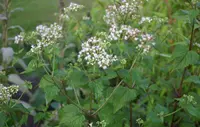
At the top, the plant carries flat-topped clusters of small white flower heads made only of disk florets, with no ray petals.

Ageratina altissima Identification

Is This white snakeroot?

Take a photo and use Botan to confirm your plant identification.

Clear images work best. Avoid photos taken too close or too far away

Check the leaves, stems, and flower clusters for a quick match.

  • Leaves are opposite, broadly triangular to ovate, with a pointed tip, coarse teeth, and three main veins from the base.
  • Leaf blades are often 2 to 6 inches long (5 to 15 cm) on noticeable stalks.
  • Stems are upright, branching near the top, and usually smooth rather than hairy.
  • Flower heads form flat-topped clusters and each small head has only white disk florets, with no ray petals.

A combination of opposite, triangular leaves and fuzzy-looking white clusters is especially useful.

Ageratina altissima shows clear structural changes from early leaf growth through seed production.

  • Seedling: Seedlings show paired first leaves on a thin upright stem; early true leaves are small, triangular to ovate, with coarse teeth and long stalks.
  • Young plant: Young plants form several opposite leaves and a simple or lightly branched stem, staying leafy and compact before the open upper branching seen later.
  • Flowering stage: At flowering, stems branch near the top and carry broad, flat clusters of small fuzzy white flower heads; plants often stand 2-4 feet (0.6-1.2 m) tall.
  • Fruiting stage: After flowering, the white heads turn into looser clusters of slim dark achenes, each topped with a small tuft that gives the cluster a rougher look.

In summer, white snakeroot is easiest to spot when flat-topped clusters of small white flower heads appear above the foliage, usually from late summer into fall. After frost, the plant dies back. Winter leaves bare, upright stems topped with persistent seed heads that can remain visible for a time.

Several late-season white wildflowers can be mistaken for white snakeroot at a glance.

white boneset(Eupatorium perfoliatum)

Both have flat-topped clusters of small white flower heads. White boneset has opposite leaves that are fused around the stem, while Ageratina altissima has separate leaves with stalks.

late boneset(Eupatorium serotinum)

It also carries airy clusters of white flower heads in late summer. Late boneset usually has narrower, lance-shaped leaves and a more branched, often rough-looking stem.

hemp dogbane(Apocynum cannabinum)

From a distance, its many small whitish flowers and opposite leaves can mislead. Hemp dogbane has smoother-edged leaves and paired slender pods, not fluffy seed heads.

Ageratina altissima is native to eastern and central North America, from southern Canada south into the eastern United States and west into the Great Plains in parts of its range. It is most often found in deciduous woods, shaded woodland edges, streambanks, thickets, and disturbed forest ground. Seeing it in partial shade in moist to fairly dry woodland settings can help separate it from similar white-flowered composites of open prairie or wet marsh habitats.

  • Toxic if eaten: Ageratina altissima contains tremetol, mainly in the leaves and stems. Ingestion is poisonous to humans and pets, and it is especially dangerous to grazing animals.
  • Indirect food-chain risk: When livestock eat this plant, tremetol can pass into milk or meat. That exposure has poisoned humans, a condition known as milk sickness.

Confirm It from a Photo

Use Botan to identify or verify the plant from an image, helping avoid mix-ups before you label it or make decisions.

FAQ

The most useful trait is the leaf arrangement and shape: opposite leaves with coarse teeth, a pointed tip, and a broad, heart-shaped base on an upright stem. This combination is central to white snakeroot identification.

More Plant Identification Guides

One Photo. More About Your Plant.

Identify a plant from a photo with Botan, then view plant details, care information, and common problems for that species.

Botan app identifying a plant from a photo
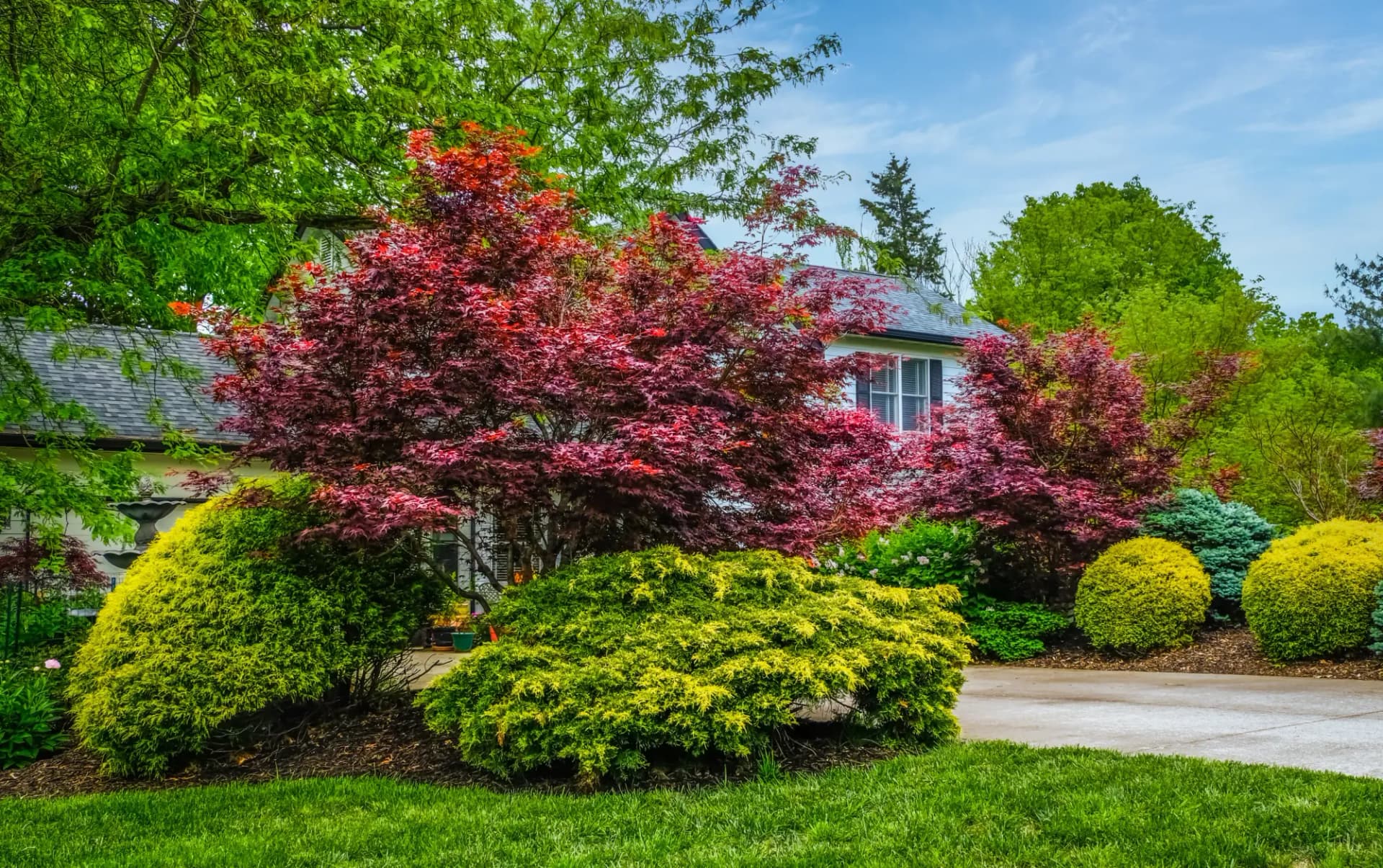
13 Best Front Yard Trees for Every Home and Yard

12 min read · 7 Aug 2026

13 Best Front Yard Trees for Every Home and Yard

A front yard tree can stay for decades. Therefore, choosing one deserves serious consideration. Here are 13 trees that have proven themselves, sorted by their purpose. You'll also find five species to avoid and basic planting information.

Plant Recommendations
13 Best Front Yard Trees for Every Home and Yard
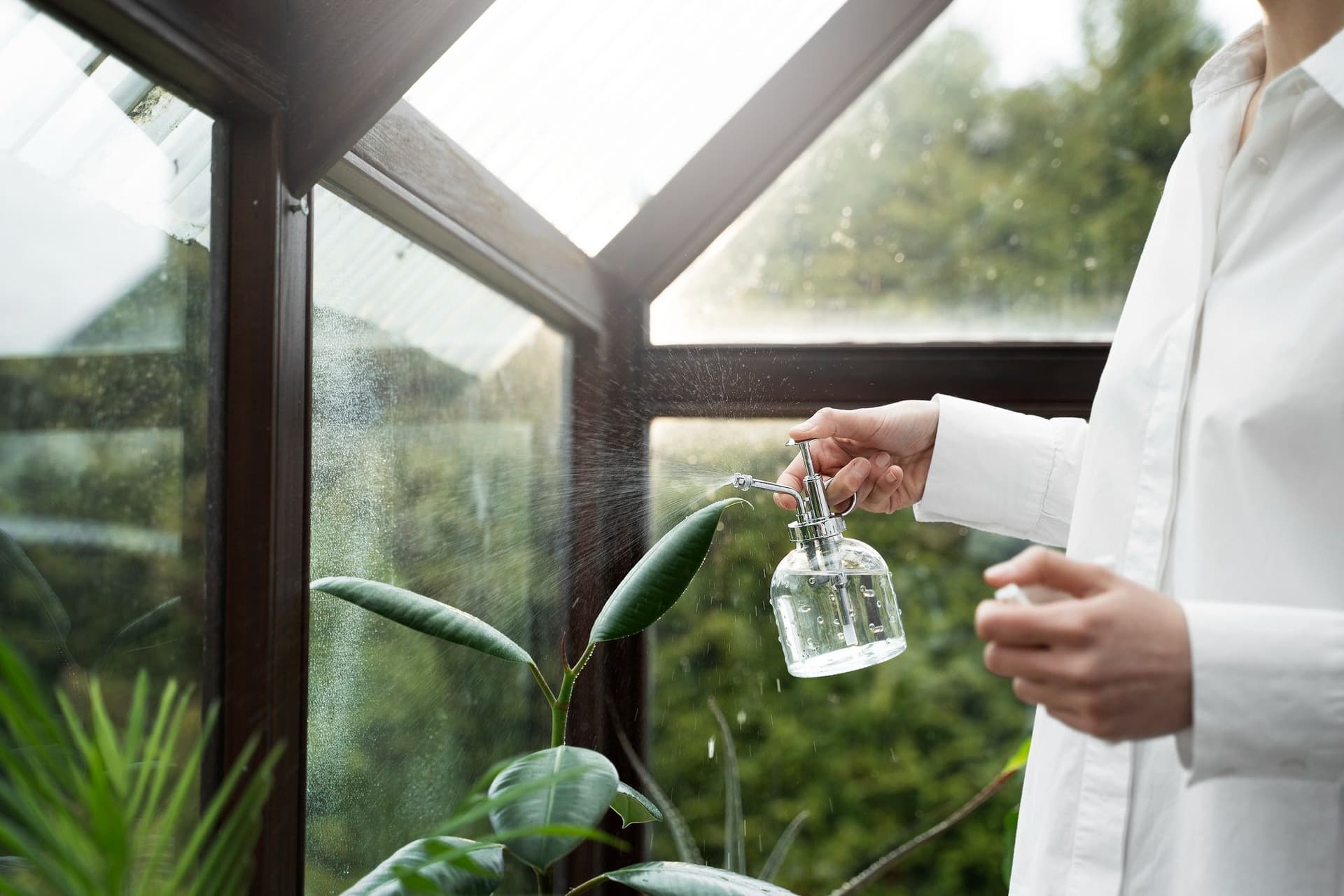
How to Increase Humidity for Plants – 8 Simple Ways That Work

8 min read · 14 Aug 2026

How to Increase Humidity for Plants – 8 Simple Ways That Work

Dry indoor air stresses a lot of houseplants. You usually notice it first in the browning leaf tips. This guide describes 8 simple ways to raise the moisture around your plants, from humidifiers to pebble trays.

Plant Care
How to Increase Humidity for Plants – 8 Simple Ways That Work
Top 15 Fast-Growing Trees For Your Garden

13 min read · 28 Jul 2026

Top 15 Fast-Growing Trees For Your Garden

Learn which of the 15 fastest-growing trees will suit your area. We’ll share detailed information on each: growth rate, mature spread, key tree demands, and main vulnerabilities. Read on and make the best choice possible.

Plant Recommendations
Top 15 Fast-Growing Trees For Your Garden