


6 min read · 19 Aug 2026
How to Tell if a Plant Is Dead
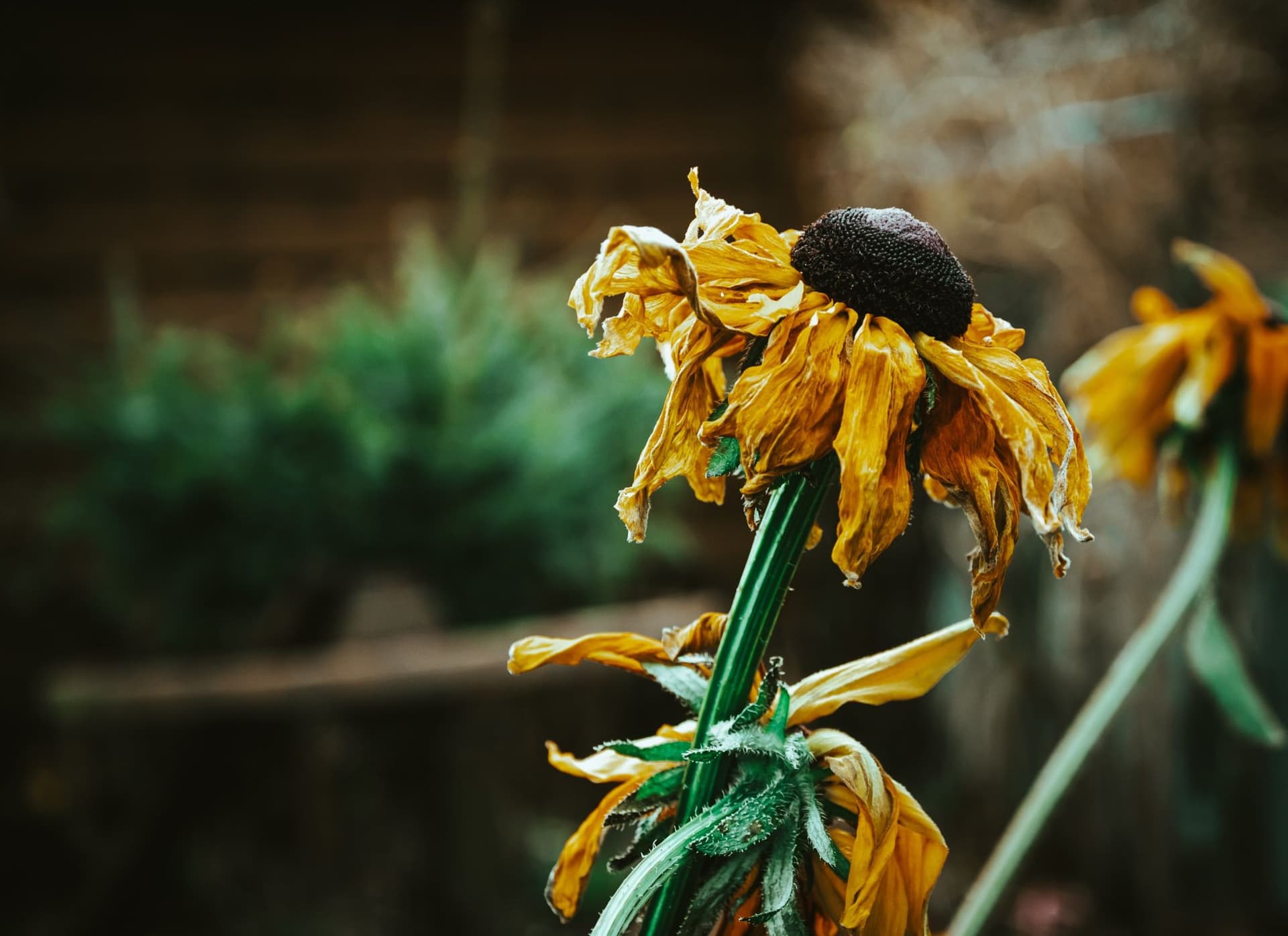
A plant can lose its leaves, stop growing, or collapse and still remain alive. A closer look at the stems, roots, bulbs, and tubers can show whether the plant still has a chance to recover.

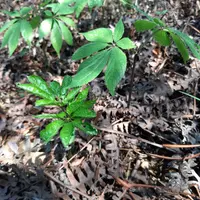
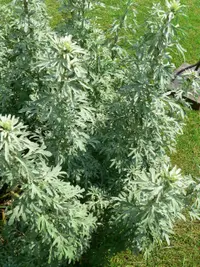
Recognize Panax pseudoginseng by its single upright stem topped with a whorl of palmately compound leaves, each leaf divided into 5 to 7 narrow leaflets.
A rounded cluster of small flowers sits on a separate stalk rising from the leaf whorl, giving the plant a neat, tiered outline.

Take a photo and use Botan to confirm your plant identification.
Clear images work best. Avoid photos taken too close or too far away
Check for the compact, umbrella-like leaf clusters typical of Panax pseudoginseng.
Count the leaflets and note the top-set leaf whorl first.
Panax pseudoginseng shows clear visual shifts from vegetative growth to flowering and fruiting.
In spring, Panax pseudoginseng emerges from dormancy with a single stem and a whorl of leaflets that expands quickly, making the plant easier to spot on the forest floor. By summer, a small rounded flower cluster is visible above the leaves, followed later by bright red fruits. After fall leaf drop, the top growth disappears, leaving no persistent woody stems for winter identification.
A few woodland herbs can be mistaken for ginseng at a glance.
Asian ginseng(Panax ginseng)
Often confused because both have palmately arranged leaves and red berries. Panax ginseng usually has 5 leaflets per leaf, with the middle 3 larger; Panax pseudoginseng often shows 5-7 leaflets and a broader overall leaf outline.
American ginseng(Panax quinquefolius)
Similar in height and leaf arrangement, especially in young plants. American ginseng typically has 5 leaflets with noticeably toothed edges and a more pointed shape, while Panax pseudoginseng often has more leaflet number variation and a denser flower or fruit cluster.
Panax pseudoginseng is native to parts of the Himalayas and southwestern China. It is typically found in cool mountain woodland and forest margins, often on shaded slopes. That setting helps with identification because this species is associated with upland forest habitats rather than lowland tropical understory or open grassland. In the wild, finding a Panax in shaded montane woodland can help narrow it toward this species group.
Upload a clear image to Botan to identify the plant or verify your result before you label it or buy another one.
The flowers are borne in a single rounded umbel, meaning many short flower stalks arise from one point at the top of the stem. This compact cluster is a useful trait in Panax pseudoginseng identification.
Use Botan to identify a plant from a photo, then review plant details, care information, and common problems.


6 min read · 19 Aug 2026
A plant can lose its leaves, stop growing, or collapse and still remain alive. A closer look at the stems, roots, bulbs, and tubers can show whether the plant still has a chance to recover.

6 min read · 4 Aug 2026
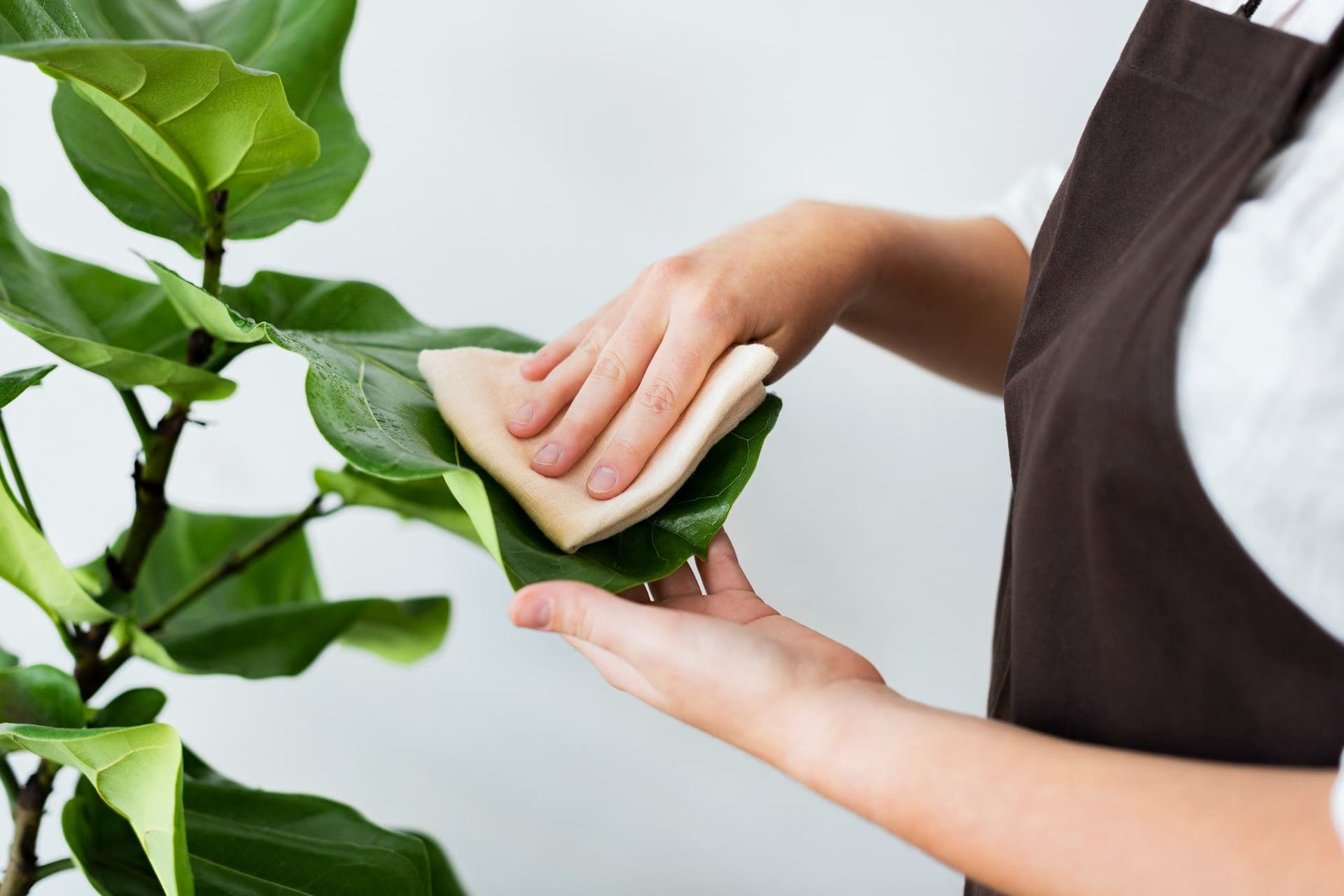
Dusty leaves look dull and don't absorb light well. Below, you'll find simple ways to clean them, which tools are truly effective, how often you should do it, and what causes damage.

5 min read · 9 Jul 2026
Banana water can provide potassium and some nutrients that may support plant growth, but it is not a universal fix. Use it carefully and only when the plant actually shows signs of nutrient deficiency rather than as a routine treatment.