
Queen Anne's lace Identification (Daucus carota)

Recognize Queen Anne's lace by its flat-topped clusters of many tiny white flowers, each cluster held on a single stalk above finely divided, fernlike leaves.

It grows as an upright, branched herb, usually 1 to 4 feet (30 to 120 cm) tall, with narrow leaf segments repeated along the stems.

Daucus carota Identification

Check Your Plant ID

Not sure about your plant ID? Upload a photo and check it with Botan.

Clear images work best. Avoid photos taken too close or too far away

Check the plant’s overall shape, leaves, and flower clusters.

  • Upright, branching herb usually 1-4 feet (30-120 cm) tall, with a slender, ribbed stem.
  • Leaves are finely divided, fernlike, and triangular in outline, often 3-10 inches (8-25 cm) long.
  • Flower heads are flat to slightly rounded umbels, 2-5 inches (5-13 cm) across, made of many tiny white flowers.
  • A single small dark purple floret often sits near the center of the white flower cluster.
  • Below each flower head, narrow leaflike bracts form a noticeable collar.

When present, the dark central floret and the bracted flower head are especially useful visual clues.

Daucus carota shows clear visual shifts from basal rosette to flowering and fruiting stem.

  • Juvenile plant: A low basal rosette forms first, with finely divided, fernlike leaves close to the ground and no upright flowering stem.
  • Flowering stage: The plant sends up a stiff, branching stem reaching 1-4 feet (30-120 cm), topped by flat to slightly rounded compound umbels of small white flowers.
  • Fruiting stage: After flowering, the umbels contract inward into a tight, bird's-nest shape, making the plant look denser and more cupped than before.

Several named forms of Daucus carota are distinct enough to recognize by flower or root color.

  • f. albiflora: Flowers are white rather than the usual white umbel with a darker central floret sometimes present in the typical form.
  • f. rosea: Flowers are pink to rosy pink across the whole umbel, instead of white.
  • subsp. sativus: The cultivated carrot forms a thick, fleshy taproot, often orange, purple, yellow, red, or white, rather than the thin, pale root of wild plants.

In spring, Daucus carota forms a low rosette of finely divided, fernlike leaves. By early to midsummer, tall stems carry flat-topped white flower clusters, often with a small dark floret in the center. As fruits develop, the flower head curls inward into a tight, cup-like cluster that turns brown and dry. This late-season “bird’s nest” look is one of the clearest field marks.

Several apiaceae relatives are often mistaken for Queen Anne's lace.

poison hemlock(Conium maculatum)

Both have flat white flower clusters and finely divided leaves. Poison hemlock is taller, often 3 to 8 feet (0.9 to 2.4 m), with smooth hollow stems marked purple blotches; Daucus carota usually has hairy stems without purple blotches.

wild parsnip(Pastinaca sativa)

Both grow as roadside biennials in umbels. Wild parsnip has yellow flower clusters, not white, and its leaves are broader, with larger toothed leaflets rather than the lacy, fernlike divisions of Daucus carota.

Daucus carota is native to Europe, North Africa, and western Asia. It is typically found in open, disturbed places such as grasslands, roadsides, field margins, coastal dunes, and waste ground. This habitat helps with identification because wild plants often appear in sunny, dry sites rather than shaded woodland or wetlands. Finding it in meadows, rough roadside vegetation, or sandy coastal ground can help narrow an ID when several white-flowered umbellifers are present.

  • Dangerous look-alikes: Daucus carota can be confused with poison hemlock (Conium maculatum), a highly toxic plant for humans and pets if eaten. Wild carrot usually has hairy stems; poison hemlock stems are smooth and often blotched purple.
  • Skin contact: Leaves and sap can irritate skin in some people, especially after sun exposure. This is a skin-contact concern for humans rather than a poisoning risk.

Confirm It from a Photo

Use Botan to identify or verify the plant from an image, helping avoid mix-ups before you label or compare it.

FAQ

For Queen Anne's lace identification, check the stems. This plant usually has fine hairs and lacks the purple-blotched, smooth stems typical of poison hemlock. Its flower clusters often have a lacy, slightly domed look.

More Plant Identification Guides

Identify First. Learn What Comes Next.

Upload a photo to Botan for an ID, then get plant details, care information, and common problems for that species.

Botan app identifying a plant from a photo
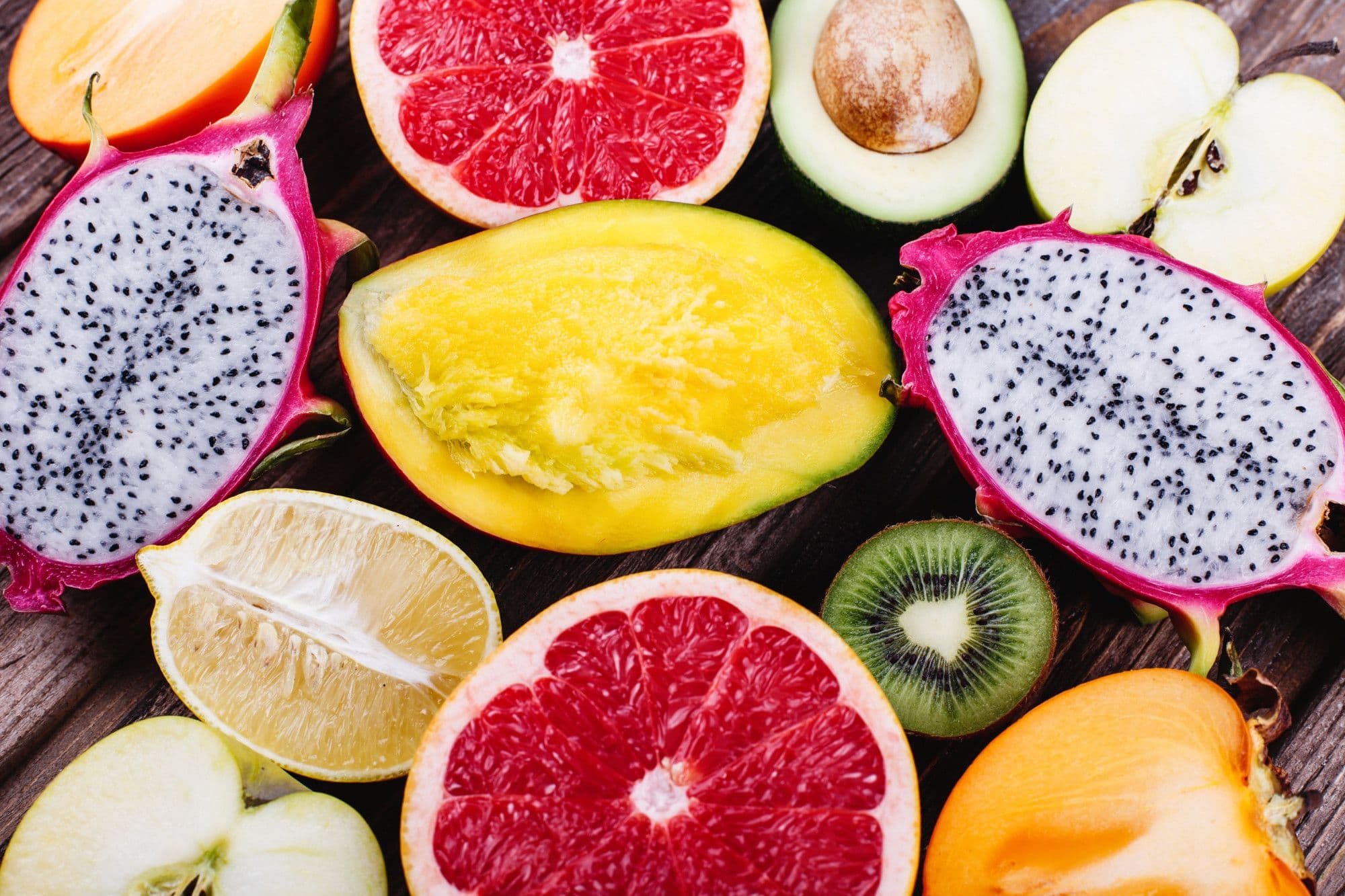
20 Most Popular Fruits Around the World

7 min read · 22 Jul 2026

20 Most Popular Fruits Around the World

Curious which fruits the world actually eats the most? Here's the top-20 by production volume, an overview of what people choose in each region, and a few figures that defy common assumptions.

Plant Recommendations
20 Most Popular Fruits Around the World
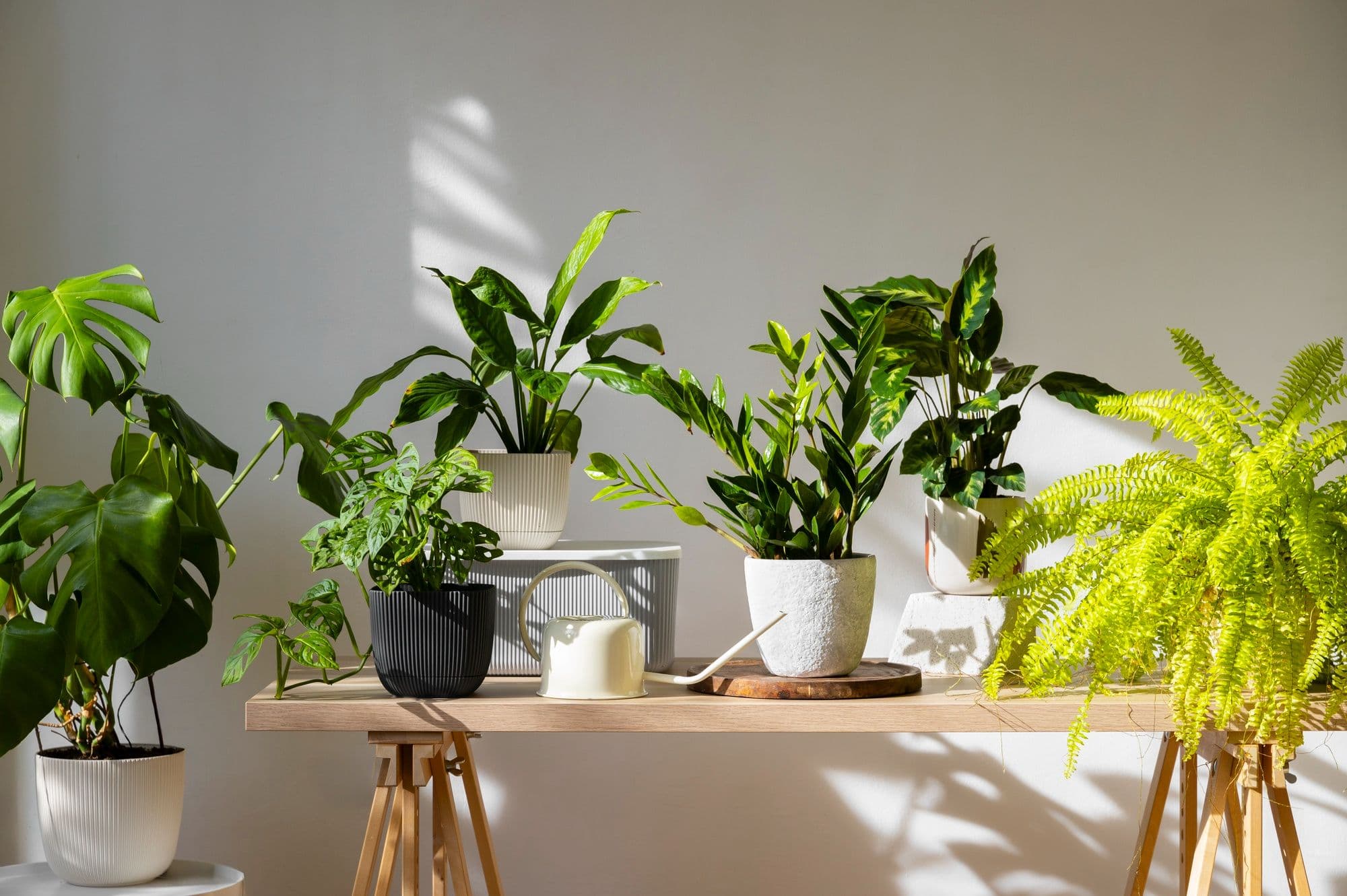
Top 5 Best Indoor Plants for Air Quality

5 min read · 11 Sept 2026

Top 5 Best Indoor Plants for Air Quality

Indoor plants can make a room feel fresher thanks to their air-purifying qualities. Here are 5 of the most suitable choices for your routine and living space.

Plant Recommendations
Top 5 Best Indoor Plants for Air Quality
How Often to Water Fruit Trees

7 min read · 11 Aug 2026

How Often to Water Fruit Trees

Irrigation needs change as roots establish and weather shifts. This guide gives practical starting intervals, explains how soil and tree type change them, and shows how to recognize both excess moisture and drought stress.

Plant Care
How Often to Water Fruit Trees