
Horse Mushroom Identification (Agaricus arvensis)

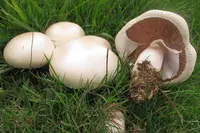
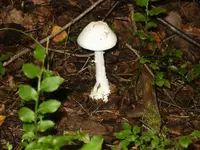
To recognize Horse Mushroom, look for a large, stout cap often 4 to 8 inches (10 to 20 cm) wide, free gills, and a thick stem with a prominent hanging ring.

The cap is smooth and white to cream, and the gills are pinkish at first, then chocolate brown.

Agaricus arvensis Identification

Check Your Plant ID

Check your plant ID by uploading a clear photo to Botan.

Clear images work best. Avoid photos taken too close or too far away

Check the overall mushroom shape, gills, stem, and cap surface first.

  • Cap broad and rounded to flat, often 3-8 inches (8-20 cm) across, white to cream.
  • Gills are free from the stem, crowded, and hidden at first by a partial veil.
  • Stem stout, white, and fairly even, with a large hanging ring near the upper part.
  • Cap surface looks smooth to finely scaly, often with a silky sheen rather than coarse scales.

A full view of the cap, gills, and ring usually gives the clearest visual check.

Agaricus arvensis shows clear, useful visual changes as the fruit body expands and ages.

  • Young plant: Button stage is rounded and compact, with the cap margin rolled inward and joined to the stem by a veil, hiding the gills.
  • Mature plant: Cap expands broadly to about 3-8 inches (8-20 cm), becoming flatter; the veil breaks and leaves a hanging ring on the stem.
  • Fruiting stage: Exposed gills shift from pale grayish pink to dark chocolate brown as spores mature, while the stem remains tall, sturdy, and white.

Horse Mushroom is most often identified from late summer into fall, when its fruiting bodies appear above ground in grassland and disturbed areas. Outside that fruiting period, there is usually little to see. In season, look for fresh white caps and pale gills that later darken as the mushrooms mature. After frost or dry weather, older specimens often discolor, collapse, or disappear, so the species becomes much less visible.

Several mushrooms can be mistaken for Horse Mushroom at a glance.

yellow stainer(Agaricus xanthodermus)

Similar white cap and pink-to-brown gills can confuse foragers. The quickest check is bright chrome-yellow staining at the stem base and cap margin when rubbed or cut.

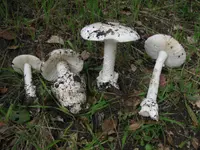
destroying angel(Amanita virosa)

Young specimens can look like a white button mushroom. Amanita keeps white gills and has a cup-like volva at the stem base, while Agaricus arvensis develops pink then dark brown gills and lacks a volva.

Agaricus arvensis is native across much of Europe and temperate parts of Asia, and it is also recorded in North America. It is most often found in open grassland rather than deep woodland. For identification, habitat is useful because this species commonly appears in pastures, meadows, lawns, and grassy field edges, often in nutrient-rich ground. Finding a large Agaricus in open grassy places helps narrow the ID more than finding one in dense forest.

  • Serious look-alike risk: Agaricus arvensis is a mushroom, so wrong identification can harm humans through ingestion. The main safety concern is confusion with deadly Amanita species, especially the death cap and destroying angels.
  • Key visible check: Amanita species have white gills and a cup-like volva at the base of the stem. Agaricus arvensis develops pink to chocolate-brown gills and lacks a volva. Check the stem base carefully.

Not Sure About the ID?

Botan can identify or confirm it from a photo, helping you compare likely matches before you decide what to do next.

FAQ

Look for a large white cap, free gills that start pale and turn pink then chocolate-brown, and a stout stem with a hanging ring. A faint aniseed smell is a useful clue when identifying Horse Mushroom.

More Plant Identification Guides

From Plant ID to Plant Info

Identify it from a photo with Botan, then review species details, care information, and safety notes in one place.

Botan app identifying a plant from a photo
Best Fertilizer for Grass in Summer: How to Choose the Right One

6 min read · 18 Aug 2026

Best Fertilizer for Grass in Summer: How to Choose the Right One

The right fertilizer in summer can make a lawn thrive. The wrong one can damage it. Here, you’ll learn the best NPK ratios by grass type, when and how to apply your formula, and how to recognize the signs of over- or under-fertilizing.

Plant Care
Best Fertilizer for Grass in Summer: How to Choose the Right One
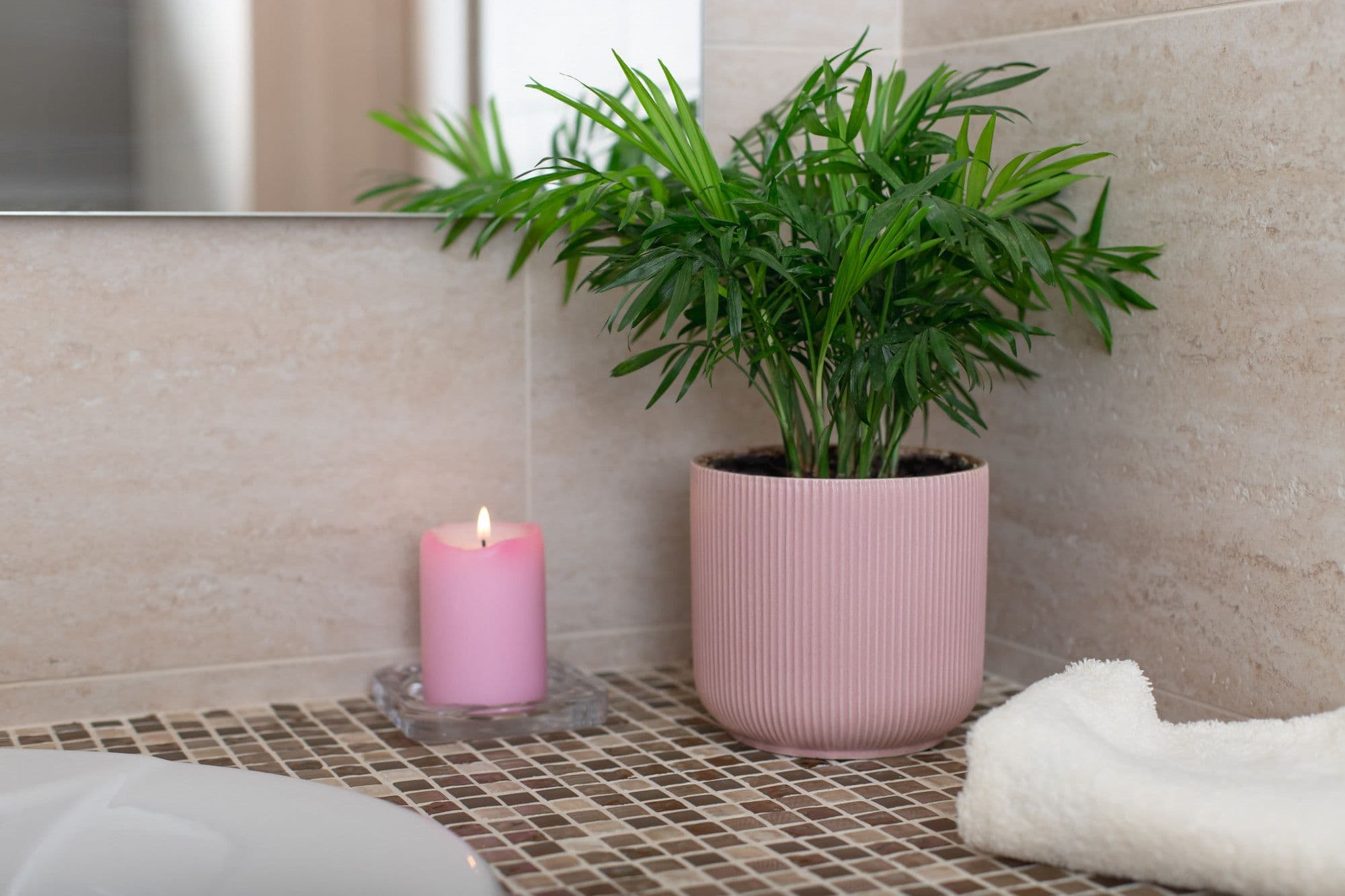
12 Best Plants for Bathroom That Thrive in Humid Conditions

9 min read · 29 Sept 2026

12 Best Plants for Bathroom That Thrive in Humid Conditions

Discover the 12 best plants for bathroom spaces. Each pick comes with its own advantages, plus light, humidity, watering, and placement tips. Take a look and match the plant to your specific bathroom.

Plant Recommendations
12 Best Plants for Bathroom That Thrive in Humid Conditions
Is Sugar Water Good for Plants?

4 min read · 14 Sept 2026

Is Sugar Water Good for Plants?

Sugar water may sound like an easy boost, but most rooted plants do not need extra sucrose. This guide explains how green tissues produce carbohydrates, when a sweetened solution can be useful, and why too much can cause problems.

Plant Care
Is Sugar Water Good for Plants?