Franchet’s maple Care (Acer sterculiaceum)

Also known as: Himalayan maple
Franchet’s maple

About Franchet’s maple

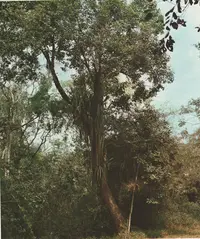
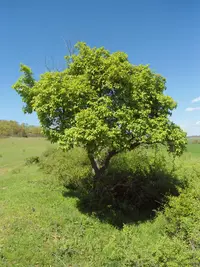
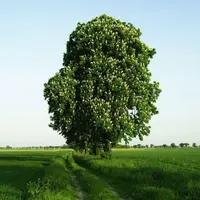
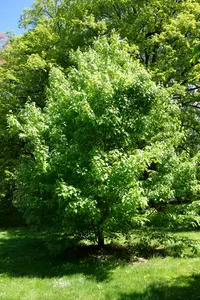
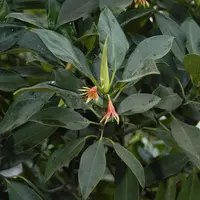
Franchet’s maple (Acer sterculiaceum) is a medium to large deciduous tree grown mainly as an ornamental shade and landscape tree. It forms a rounded to broadly spreading crown with sturdy branches and attractive, large, lobed leaves that create a dense canopy.

This species is native to montane forests of the Himalayas and nearby regions, where it grows in cool, moist conditions. In gardens it generally prefers temperate climates, moderate moisture, and well-drained, fertile soil.

Its steady growth rate, tolerance of cool conditions, and relatively uncomplicated needs make it manageable for gardeners with some tree experience who want to learn how to care for Franchet’s maple.

Main Plant Requirements

Care Difficulty

Moderate Care

Light Preference

Partial Sun

Water Requirements

Moderate Water

Temperature Preference

Cool Climate

Hardiness Zone

6–9

Soil Texture

Loamy, Silty, Organic-rich

Soil pH

Acidic (5.5–6.5), Slightly acidic (6.5–7.0)

Soil Drainage

Moist but well-drained

Fertilization

Minimal (feed rarely)

Get Personalized Care Plan

Scan your plant to receive care tips personalized for your specific plant

Available on iOS and Android

How to Care for the Franchet’s maple

This maple prefers cool, bright conditions that protect its foliage from intense midday sun.

  • Provide 4–6 hours of morning sun with light afternoon shade; dappled light under taller trees suits Acer sterculiaceum well.
  • In hotter regions, shield from direct sun after 11 a.m. to reduce leaf scorch and drying of shallow roots.
  • In cooler climates, it tolerates more direct sun, but prolonged deep shade leads to thin growth and sparse canopy, especially on young Franchet’s maple specimens.

This species prefers consistently moist, well-drained soil without prolonged dryness or waterlogging.

  • Water when the top 3–5 cm of soil feels dry, aiming for slowly penetrating irrigation rather than brief surface sprinkling.
  • During spring and early summer, monitor closely and adjust so the root zone stays evenly moist, especially in sandy or sloping sites.
  • In late autumn and winter, reduce watering, watching for signs of stress such as wilting or crisp leaf edges from drought, or yellowing leaves from overwatering.

This hardy maple handles cool climates but still benefits from stable, moderate growing-season temperatures.

  • Active growth is strongest at 60–75°F (16–24°C), with cool nights supporting steady shoot and leaf development.
  • Mature trees tolerate winter lows near 0°F (-18°C) once established, but young plants need protection from sudden hard frost and drying winds.
  • In hot spells above 85°F (29°C), provide extra mulch and soil moisture; prolonged heat with dry soil can cause leaf scorch and premature leaf drop.

This maple prefers moderate, outdoor-type humidity and usually does not need special humidity management.

  • Target 40–60% humidity for stable growth, which typical outdoor conditions in many regions already provide.
  • Short periods of drier air are tolerated; leaf margins browning or tip dieback indicate chronic low humidity or drying winds.
  • In very dry, hot sites, reduce humidity stress by mulching the root zone and using windbreaks rather than misting foliage.

Acer sterculiaceum grows best in deep, moist, well‑structured soil that drains freely but does not dry out quickly.

  • Use a loamy soil rich in organic matter, blending garden loam with 25–40% compost and some leaf mold for structure and moisture retention.
  • Ensure drainage by avoiding heavy, compacted clay; improve such sites with coarse sand or fine gravel plus organic matter to increase pore space.
  • Aim for slightly acidic to neutral pH around 6.0–7.0, avoiding very alkaline soils that can lead to nutrient lockout and pale foliage.
  • Maintain an open structure by keeping the top layer mulched and avoiding frequent heavy foot traffic that compacts the root zone.

This species can be grown in containers for several years, though it ultimately prefers open ground.

  • Select a container at least 45–60 cm deep to allow a developing taproot and lateral roots to spread without circling tightly.
  • Choose a heavy, frost‑resistant pot material to prevent tipping, as the tree becomes top‑heavy when the canopy expands.
  • Raise the container slightly on feet or blocks so drainage holes stay clear and excess water leaves quickly after rain or irrigation.

Acer sterculiaceum benefits from light, balanced nutrition rather than heavy feeding when grown in cultivated settings.

  • Apply a balanced slow-release fertilizer (for example, 10-10-10) in early spring at half the label rate around the drip line.
  • Supplement with a thin layer of compost over the root zone once a year to support soil life and structure.
  • During the active growing season, avoid additional high-strength feeds to reduce risk of salt buildup and weak, lush growth.
  • In winter dormancy, do not apply fertilizer; focus on moisture management and mulch maintenance for Franchet’s maple.

Acer sterculiaceum benefits from light structural pruning to maintain a healthy canopy and safe framework.

  • Carry out main pruning in late winter to very early spring before bud break, avoiding heavy cuts in late summer or fall.
  • Remove dead, diseased, crossing, or inward-growing branches first to improve airflow and reduce pest entry points.
  • Thin congested inner shoots selectively to refine shape while keeping the tree’s natural form, rather than creating hard outlines.
  • Use clean, sharp bypass pruners or a pruning saw, making cuts just outside the branch collar to support proper healing.

This maple is usually grown in the ground, so care focuses on correct transplanting rather than frequent repotting.

  • Transplant young trees in late fall or early spring when leafless, which limits water stress and encourages root establishment.
  • Look for signs such as roots circling a container, poor vigor, or quick drying soil to decide when a potted tree must be moved up.
  • Choose a hole at least 2–3 times wider than the root ball, set the root flare at soil level, and backfill with native soil, not rich mixes.
  • Water deeply after planting, mulch 5–8 cm away from the trunk, and keep soil evenly moist during the first 1–2 growing seasons to reduce transplant shock.

Acer sterculiaceum is mainly propagated from seed, with some use of grafting or layering in specialist settings.

  • Collect ripe seeds in fall, then provide cold stratification at 1–5°C for 60–120 days to break dormancy.
  • Sow stratified seeds in a well-drained, slightly acidic mix, keeping medium evenly moist and in bright, indirect light.
  • For simple layering, bend a low branch to the soil in spring, wound slightly, peg it down, and cover with humus-rich soil.
  • Allow layered shoots to root for 1–2 seasons before severing from the parent, then harden off and plant into their permanent position.

This species is generally cold hardy in suitable climates and usually requires only modest winter care once established.

  • In regions with severe frost, add 5–8 cm of organic mulch over the root zone in late fall, keeping mulch off the trunk.
  • Young or container-grown trees benefit from a sheltered position away from drying winter winds and reflected heat.
  • Move pots to an unheated garage or cold frame where temperatures stay mostly above 20°F, and water just enough to prevent complete drying.

Care Tips

Early leader selection

In the first 2–4 years, choose a single strong central leader and remove competing upright stems in late winter to build a stable main trunk and reduce future storm damage.

Wind and snow management

On exposed sites, install a breathable windbreak on the prevailing wind side and gently shake heavy wet snow from branches during thaws to prevent limb breakage in this relatively brittle-crowned species.

Root flare protection

Keep mulch and soil pulled back 5–8 cm from the trunk so the root flare is visible, which helps prevent bark rot and reduces risk of girdling roots as the tree matures.

Targeted root zone mulching

Extend an organic mulch ring out at least to the drip line, or as far as space allows, to protect the shallow feeder roots and moderate soil moisture and temperature when caring for Franchet’s maple.

Trunk and bark care

Avoid string trimmers, lawn mowers, and staking ties contacting the bark, and if staking is necessary, use wide soft straps and remove them after 1–2 years to prevent trunk girdling and structural weakness.

Common Pests and Diseases

Verticillium wilt

This disease causes progressive wilting, yellowing, and dieback of shoots, often starting on one side of the tree, while vascular tissue under the bark may show brown streaking.

Solution

Prune out affected branches well into healthy wood, disinfect tools between cuts, and avoid replanting maples in the same spot if a tree dies from wilt; maintain even soil moisture and overall vigor because there is no reliable chemical cure for this vascular disease.

Maple tar spot

This disease produces yellow spots on leaves that develop into raised, black, tar-like patches later in the season, mainly affecting appearance rather than tree survival.

Solution

Rake and remove fallen leaves in autumn to reduce spores, and site the tree with good air circulation; in most gardens no fungicide is needed, but for severe, repeated outbreaks a labeled foliar fungicide can be applied at leaf emergence according to local guidance.

Leaf scorch

Symptoms include browning and drying of leaf edges and tips, often during hot, dry, windy weather or when roots are restricted or stressed.

Solution

Provide deep, infrequent watering during dry spells, mulch the root zone to stabilize soil moisture, and avoid high-salt fertilizers; in exposed sites, consider light shade or wind protection and avoid pruning during drought stress.

Aphids

These insects cluster on young shoots and leaf undersides, sucking sap and causing curling, distortion, and sticky honeydew that can attract sooty mold.

Solution

Wash colonies off tender growth with a strong but controlled stream of water, encourage natural predators such as lady beetles, and if infestations persist use insecticidal soap or horticultural oil, ensuring thorough coverage of leaf undersides.

Scale insects

This pest appears as small, immobile bumps on stems and sometimes leaves, weakening the tree over time through sap feeding and causing sooty mold through honeydew production.

Solution

Prune out heavily infested twigs, gently scrape off accessible scales, and apply horticultural oil during the crawler stage or in late winter to smother overwintering forms, repeating treatments as needed while monitoring new growth for reinfestation.

Interesting Facts

Himalayan canyon specialist

This maple is native to steep valleys and moist ravines of the western Himalayas, where it often grows on rocky, unstable slopes that many other broadleaf trees cannot tolerate.

Persistent, papery samaras

Its winged fruits are notably thin, papery, and often hang on the tree into winter, aiding wind dispersal down valley slopes and helping the species colonize disturbed ground.

Variable leaf shape

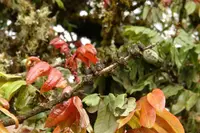
Leaves show marked variation, from shallowly 3-lobed to more deeply cut forms, and can resemble both classic maple leaves and broader, less divided shapes on the same tree or among local populations.

Botan icon

Did you know?

The species was named sterculiaceum because early botanists thought its foliage resembled trees in the Sterculiaceae (now Malvaceae) family, making it an example of how historical misinterpretation of leaf similarity influenced maple taxonomy.

FAQs about Franchet’s maple

This species has a moderate growth rate, often adding about 30–60 cm per year under good conditions. Growth slows in poor soil, dry sites, or harsh climates. Pruning and consistent care help maintain a balanced structure when growing Franchet’s maple.

Grow Healthy Plants with Botan Care

Keep your plants happy and healthy with plant identification, disease detection, and easy care guidance.

Botan plant care app — identify plants on mobile

Explore More Plants