Zygophyllum album Care

Zygophyllum album

About Zygophyllum album

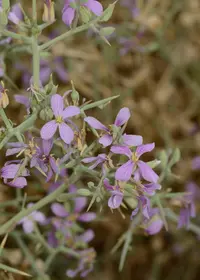
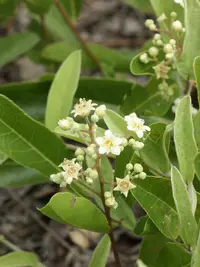
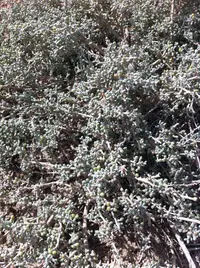
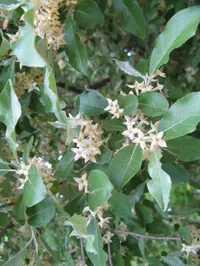
Zygophyllum album is a small, shrubby succulent native to arid coastal and desert regions of North Africa and parts of the Middle East. It forms low, bushy clumps with thick, jointed stems and fleshy paired leaves that store water.

The plant is adapted to harsh, salty, and dry conditions, which makes it naturally drought tolerant and suitable for very well-drained, poor soils. Its ability to cope with heat and neglect means it can be relatively easy to grow if overwatering is avoided. In cultivation, understanding how to care for Zygophyllum album starts with providing strong light, minimal moisture, and a gritty, fast-draining substrate.

Main Plant Requirements

Care Difficulty

Moderate Care

Light Preference

Full Sun

Water Requirements

Low Water

Temperature Preference

Tropical / Frost Sensitive

Hardiness Zone

10–11

Soil Texture

Sandy, Loamy, Rocky

Soil pH

Neutral (7.0), Slightly alkaline (7.0–7.5)

Soil Drainage

Well-drained

Fertilization

Minimal (feed rarely)

Get Personalized Care Plan

Scan your plant to receive care tips personalized for your specific plant

Available on iOS and Android

How to Care for the Zygophyllum album

This desert shrub prefers strong sun but appreciates some protection during the hottest hours in cultivation.

  • Provide 6–8 hours of direct sun daily; in hot inland climates, favor morning sun with light afternoon shade to reduce leaf scorch risk.
  • In very intense summer sun, use sparse overhead shade or plant near a light-filtering shrub or rock to diffuse midday rays, especially for young plants.
  • If stems become weak or elongated, light is too low; move to a more open, south- or west-facing position while avoiding reflected heat from walls.

This species is drought-adapted and needs infrequent but deep watering in well-drained, gritty soil.

  • Allow the top 5–8 cm of soil to dry completely before watering; in sandy ground this may mean watering only after several rain-free weeks.
  • Increase watering slightly in active growth seasons if leaves begin to wrinkle, but still let the root zone dry between soakings to prevent root rot.
  • Reduce watering sharply in cool seasons; pale, mushy stems indicate overwatering, while shriveled, dropping foliage signals prolonged drought stress for Zygophyllum album.

This plant is adapted to hot, arid climates and only tolerates limited cold.

  • Aim for 70–90°F (21–32°C) during active growth; it also handles short spikes up to about 100°F (38°C) if soil is sharply drained.
  • Protect from frost; sustained temperatures below 32°F (0°C) can damage tissues, and growth slows notably below 55°F (13°C).
  • In winter, keep it as dry as practical if temperatures drop toward 35–40°F (2–4°C), since cold, wet soil greatly increases root and stem rot risk.

This desert shrub tolerates very low humidity and rarely needs special moisture control indoors.

  • Aim for 20–40% humidity, similar to typical heated indoor air, without using humidifiers.
  • Dry, firm leaves are normal; soft, translucent, or wrinkled foliage can indicate overwatering rather than low humidity stress.
  • If air is extremely dry and hot near heaters, move the pot slightly away to reduce rapid water loss from the leaves.

This species needs very fast-draining, sandy mineral soil to prevent root rot.

  • Use a mix of roughly 60–70% coarse sand or grit with 30–40% cactus mix to mimic its native desert substrate.
  • Ensure the mix is loose, with visible pores, so water runs through in seconds and roots stay well aerated.
  • Keep pH slightly alkaline to neutral (about 7.0–8.0) by adding a small portion of crushed limestone or using low-peat cactus mix.
  • Avoid clay-heavy, compacted, or peat-rich blends that hold water longer than a few hours around the roots of Zygophyllum album.

This plant adapts well to container growing when drainage and root environment are carefully controlled.

  • Select a wide, shallow pot that matches its spreading root system so the mix dries evenly between waterings.
  • Choose unglazed terracotta if extra evaporation is needed, as it allows moisture to escape through the pot walls.
  • Raise the container slightly on feet or spacers so drainage holes stay clear and runoff leaves the pot tray quickly.

This desert shrub grows in poor soils and usually needs little or no extra feeding.

Light structural pruning helps keep Zygophyllum album compact and healthy in cultivation.

  • Carry out pruning in late winter or early spring before active growth begins.
  • Remove dead, damaged, rubbing, or very inward-growing stems with clean, sharp hand pruners.
  • Shorten leggy shoots slightly to maintain a low, bushy form without cutting into very old wood.
  • Disinfect blades between plants to reduce the risk of spreading disease organisms.

In cultivation, Zygophyllum album is usually grown in the ground and only occasionally moved.

  • Transplant in late winter or early spring, when temperatures are mild and soil is workable.
  • Look for signs such as poor vigor or roots circling in a container before deciding to move the plant.
  • Prepare a very free-draining, sandy site and dig a wide, shallow hole to minimize disturbance of the taproot.
  • Water in once, then keep soil just slightly moist until new growth indicates the roots have re-established.

Zygophyllum album is most often propagated from semi-ripe cuttings or seeds under controlled conditions.

  • Take 6–8 cm semi-ripe stem cuttings in late spring or early summer from firm, non-flowering shoots.
  • Insert cuttings into a sharply draining, sandy mix, and keep in bright light with low to moderate humidity.
  • Use a rooting hormone on the cut base and maintain gentle bottom warmth around 70–75°F to encourage roots.
  • Sow fresh seed in a gritty medium, barely covered, and provide high light with careful, sparing watering.

This species is adapted to warm, arid climates and lacks strong frost tolerance.

  • In regions with frost, grow Zygophyllum album in containers so plants can be shifted to a bright, frost-free spot for winter.
  • Keep indoor temperatures above 40°F and reduce watering markedly to avoid root rot in cool conditions.
  • For in-ground plants in marginal climates, use very sharp-draining soil and a light gravel mulch around the crown.

Care Tips

Salt-tolerant siting

Place plants where runoff from slightly saline irrigation or coastal spray will not harm less tolerant species, since this shrub can handle higher salinity than many neighbors and can act as a buffer planting.

Controlled root space

Use a deep, narrow container or root barrier in the ground to limit lateral root spread and keep the plant compact, which improves access for inspection and simplifies caring for Zygophyllum album in small gardens.

Erosion control use

Position plants on sandy slopes or edges of dry beds where their branching, low habit helps stabilize loose soil and reduce erosion under strong wind or occasional heavy rain.

Wind-shape management

In very windy sites, orient the main stems along the prevailing wind direction and lightly thin only the most exposed, whip-like shoots to reduce breakage rather than staking, which often fails in loose, sandy soils.

Minimal organic mulch

If mulch is needed, apply only a very thin, gritty mineral mulch (such as coarse sand or fine gravel) around but not touching the stems to reduce weed competition without trapping excess moisture at the crown.

Common Pests and Diseases

Scale insects

This pest feeds on stems and succulent leaves, sucking sap and causing yellowing, stunted growth, and sticky honeydew deposits that can invite sooty mold. Infestations are more likely on stressed plants grown in containers or in sheltered, warm microclimates.

Solution

Remove heavily infested stems or pads and dispose of them. For light infestations, wipe stems and leaves with a cotton pad dipped in diluted isopropyl alcohol or spray with an insecticidal soap, repeating every 7–10 days until no new scale appears while also improving light and avoiding overfertilizing to reduce soft, susceptible growth.

Mealybugs

These insects gather in leaf joints and along young stems, appearing as white, cottony clusters that weaken the plant through sap feeding. Symptoms include slow growth, shriveling of succulent tissues, and sticky honeydew on nearby surfaces.

Solution

Isolate the plant, then physically remove visible mealybugs with a cotton swab dipped in diluted alcohol and rinse the plant gently afterward. For persistent problems, use insecticidal soap or a horticultural oil spray directed into crevices every 7–10 days and reduce excess nitrogen fertilization, which encourages soft growth that mealybugs prefer, as part of overall Zygophyllum album care instructions.

Leaf spot

This disease produces small, water-soaked or tan lesions on the succulent leaflets that may expand and coalesce, especially under warm, humid conditions or when foliage stays wet for extended periods. Symptoms include premature leaf drop and an overall sparse appearance.

Solution

Remove and discard affected leaves to reduce inoculum and avoid overhead watering so foliage dries quickly. Improve airflow, space plants so they do not touch, and if the problem persists, apply a copper-based or other labeled broad-spectrum fungicide according to instructions, focusing on thorough coverage of stems and remaining foliage.

Stem canker

This disease causes sunken, discolored patches on woody or semi-woody stems that may crack and girdle stems, leading to dieback of whole branches in older plants or landscape plantings. Symptoms include sudden wilting of otherwise well-watered shoots above the affected area.

Solution

Prune out affected stems at least 5–10 cm below visible symptoms, using clean, sharp tools disinfected between cuts. Avoid wounding stems, prevent prolonged soil saturation around the base, and maintain good drainage so plants stay vigorous and less susceptible, especially in outdoor plantings receiving irregular rainfall or irrigation.

Interesting Facts

Desert salt specialist

This halophytic shrub is native to North African coastal deserts and can grow in salty depressions where few other woody plants survive, often helping stabilize dunes and sandy soils.

Thick, water-storing leaves

Its small, fleshy leaves act as water-storage organs and reduce surface area, a combination that limits transpiration and allows the plant to persist through long dry periods in arid habitats.

Nitrogen-fixing symbiosis

Zygophyllum album forms symbiotic associations with nitrogen-fixing microorganisms in its root zone, improving soil nitrogen availability in otherwise nutrient-poor desert and coastal soils.

Botan icon

Did you know?

In some North African saline depressions and coastal steppe habitats, Zygophyllum album can become a structural keystone shrub, forming low, dense stands that create sheltered microhabitats where less stress-tolerant plants and soil invertebrates can establish and persist.

FAQs about Zygophyllum album

Lack of flowers often comes from insufficient light, nutrient-poor or overly rich soil, or stress from recent repotting or pruning. Ensure stable conditions, avoid heavy nitrogen fertiliser, and give the plant time to mature before expecting regular flowering.

Grow Healthy Plants with Botan Care

Keep your plants happy and healthy with plant identification, disease detection, and easy care guidance.

Botan plant care app — identify plants on mobile

Explore More Plants