scurvygrass Care (Cochlearia groenlandica)

Also known as: Danish scurvygrass, greenland cochlearia
scurvygrass

About scurvygrass

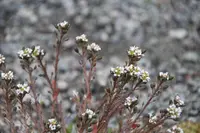
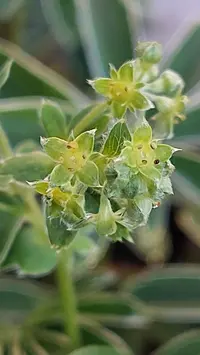
Cochlearia groenlandica, commonly called scurvygrass, is a small, low-growing coastal plant from cold northern regions, including Arctic shorelines. It forms rosettes of fleshy, often spoon-shaped leaves and sends up short flower stalks with small white cross-shaped blooms from the cabbage family.

In nature it thrives in salty, wind-exposed habitats such as rocky shores and sea cliffs. Its tolerance of salt and cold makes it quite tough outdoors in suitable climates but less adaptable to warm indoor conditions.

Gardeners who want to care for scurvygrass should mimic cool, bright, moist, well-drained coastal conditions, which can be challenging to maintain away from its native habitat.


Main Plant Requirements

Care Difficulty

Moderate Care

Light Preference

Full Sun

Water Requirements

Keep Soil Moist

Temperature Preference

Cold Hardy

Hardiness Zone

2–7

Soil Texture

Sandy, Loamy, Silty

Soil pH

Slightly acidic (6.5–7.0), Neutral (7.0)

Soil Drainage

Moist but well-drained

Fertilization

Minimal (feed rarely)

Get Personalized Care Plan

Scan your plant to receive care tips personalized for your specific plant

Available on iOS and Android

How to Care for the scurvygrass

This coastal alpine herb prefers cool conditions with bright, gentle light rather than strong heat.

  • Provide 3–6 hours of sun daily, ideally morning sun with light afternoon shade, to match typical conditions for scurvygrass on open, cool shores.
  • Allow dappled or high bright shade during the strongest midday sun to prevent leaf scorch, especially in warmer regions or exposed sites.
  • In summer, protect from intense afternoon sun, while in spring and fall slightly more direct light helps maintain compact growth and flower production.

This species prefers consistently moist, cool soil but is sensitive to stagnant water.

  • Water when the top 2–3 cm of soil feels just starting to dry, aiming for evenly moist but never waterlogged conditions for Cochlearia groenlandica.
  • Use sharply draining, gritty or sandy soil so excess water runs off quickly, reducing the risk of root rot in cool, wet weather.
  • In cooler seasons, reduce frequency but do not allow the soil to dry out completely; dull, limp leaves can indicate underwatering, while yellowing and soft bases suggest overwatering.

This cold-adapted plant thrives in cool climates and tolerates significant frost.

  • Aim for active growth in cool conditions around 45–60°F (7–16°C), as higher sustained temperatures can stress this arctic–subarctic species.
  • Tolerates freezing and subfreezing conditions down to about 10–15°F (-12 to -9°C) if soil drains well and roots are not sitting in ice.
  • Heat above 70°F (21°C), especially combined with strong sun and dry air, can cause wilting and reduced vigor, so provide shade and extra moisture protection in hot spells.

This coastal plant tolerates a broad humidity range and usually does not need special humidity management.

  • Performs reliably in 30–60% humidity, similar to most outdoor conditions in temperate regions.
  • Handles brief dry air periods without damage, provided soil moisture is kept consistent.
  • Humidity stress shows more as leaf wilting and edge crisping from drought than from air dryness, so prioritize even watering over humidity adjustment.

This species prefers cool, moist, sharply drained, mineral-rich soil that does not stay waterlogged.

  • Use sandy or gritty loam with 30–50% coarse sand or fine gravel to mimic rocky coastal substrates and prevent root rot.
  • Aim for slightly acidic to neutral pH around 6.0–7.0, adding a small amount of compost rather than heavy organic mixes.
  • Improve aeration by blending in perlite or pumice, which maintains pore spaces even after repeated watering.
  • Avoid dense clay, peat-heavy potting mixes, or any soil that forms a smear when wet, as Cochlearia groenlandica is adapted to freely draining sites.

This species can be grown in containers if its cool, moist yet free-draining root conditions are maintained.

  • Select a wide, shallow pot that allows lateral root spread while preventing deep, stagnant moisture zones.
  • Choose a rigid, heavier material such as ceramic or thick plastic to stabilize the plant against wind exposure on balconies or patios.
  • Raise the container slightly on pot feet or bricks so drainage holes stay clear and runoff water does not reabsorb into the mix.

Cochlearia groenlandica is adapted to nutrient-poor coastal habitats and usually needs little or no fertilizer in gardens or containers.

Pruning Cochlearia groenlandica is minimal and mainly targets plant health and tidiness rather than shaping.

  • Trim back dead, yellowing, or damaged leaves at any time using clean, sharp scissors or small snips.
  • After flowering, shear off spent flower stalks to reduce self-seeding and maintain a compact mound.
  • Remove weak, crowded rosettes to improve airflow and reduce the risk of fungal problems in damp climates.

This coastal perennial is usually grown in rock gardens or poor soil beds, so focus on gentle transplanting rather than frequent repotting.

  • Transplant in early spring or early autumn, when temperatures are mild and soil is moist but not waterlogged.
  • Move plants only when growth slows, clumps thin out, or container roots circle the pot and emerge from drainage holes.
  • Lift with a hand fork, keep a firm soil ball around the roots, and replant at the same depth into free-draining, gritty soil.
  • Water lightly after moving, then allow soil to dry slightly between waterings to limit root stress and rot risk.

Cochlearia groenlandica is most often propagated from seed, with division used occasionally in established clumps.

  • Sow fresh seed in late summer or early autumn in trays of gritty, well-drained mix and leave outdoors for natural cold exposure.
  • Provide bright light and cool conditions (40–55°F) to encourage steady germination without excessive stretching.
  • Transplant seedlings when they have 2–3 true leaves, handling the fine roots gently and planting into small cells or plugs.
  • Mature, dense clumps may be divided in early spring; split into small sections, keeping roots intact and replanting immediately.

This species is very cold hardy and usually requires little special winter care in temperate and colder regions.

  • Plants in the ground tolerate frost and snow; avoid waterlogged soil, which increases winter rot.
  • Add a light gravel or coarse sand mulch around crowns in wet climates to improve drainage.
  • For pots, shift containers to a sheltered, unheated spot and prevent saucers from holding standing water.
  • In extremely exposed sites, a simple windbreak reduces foliage scorch from freezing winds.

Care Tips

Cool-site selection

Choose a planting spot that stays cool in summer, such as a north-facing bed or near larger perennials that cast light shade during the hottest hours, to mimic its natural arctic and subarctic habitat and reduce stress heat events.

Salt-tolerant placement

Use this species at the front edge of coastal or roadside plantings where light salt spray or slightly salty runoff occurs, as the plant naturally tolerates salinity better than many ornamentals and will often stay healthier there than less adapted species.

Frequent succession sowing

In mild or cool climates, sow small batches every 3–4 weeks from early spring through late summer so you always have young, vigorous rosettes, which is one of the most reliable ways of growing scurvygrass for continuous leafy growth.

Moisture buffering mulch

Apply a very thin, gritty mineral mulch layer (such as 2–5 mm of fine gravel or coarse sand) around the crowns to stabilize soil moisture and temperature while preventing the crown itself from staying wet and rotting.

Gentle harvest rotation

When harvesting leaves, take a few from several plants instead of stripping one rosette, always leaving the central growth point intact, which helps maintain plant vigor and extends the productive life of the patch.

Common Pests and Diseases

Flea beetles

These insects chew many small round holes in the leaves, often giving foliage a shot‑holed, lace‑like appearance and slowing growth in stressed plants.

Solution

Use lightweight row covers in outdoor plantings to physically exclude adults, remove nearby brassica weeds that host the beetles, and, if damage is high, apply a neem oil or pyrethrin-based spray directed to foliage in calm, cool weather while avoiding open flowers whenever possible.

Cabbage aphids

These insects cluster on young stems and leaf undersides, sucking sap and causing curling, distortion, and a sticky honeydew that can support sooty mold growth.

Solution

Rinse colonies from plants with a firm stream of water, pinch off heavily infested shoot tips, encourage natural predators like lady beetles, and, if needed, treat remaining clusters with insecticidal soap thoroughly covering the undersides of leaves.

Downy mildew

This disease causes pale yellow to light green angular spots on upper leaf surfaces, with a gray‑white to purplish downy growth on the undersides in cool, moist conditions.

Solution

Space plants to improve airflow, avoid overhead watering, promptly remove and discard infected leaves, and rotate away from brassica relatives in outdoor beds; in persistent cases a copper-based fungicide can be applied according to label directions, focusing on new growth.

Leaf spot

Symptoms include small water‑soaked lesions on leaves that enlarge into brown or tan spots, sometimes with darker margins and a thin yellow halo, reducing photosynthetic area.

Solution

Remove and dispose of affected foliage, avoid wetting leaves late in the day, improve drainage around the planting site, and practice crop rotation away from other Brassicaceae; in severe or recurring cases a labeled broad‑spectrum fungicide may be used as part of broader Cochlearia groenlandica care instructions.

Interesting Facts

Arctic shoreline specialist

This species is naturally restricted to cold, coastal habitats of the North Atlantic and Arctic regions, where it grows on gravelly beaches, rocky shores, and seaweed wrack zones regularly exposed to salt spray.

Vitamin C rich foliage

The leaves contain high levels of vitamin C and were historically collected and eaten fresh or pickled by Arctic and subarctic communities, especially Inuit and Norse settlers, to help prevent scurvy during long winters.

Cold and salt tolerance

The plant shows strong tolerance to low temperatures, short growing seasons, and saline conditions, allowing it to complete its life cycle in a narrow summer window along harsh polar coastlines.

Botan icon

Did you know?

Greenland scurvygrass is part of the mustard family (Brassicaceae) and, like many relatives, accumulates sulfur-containing glucosinolates that give its leaves a sharp, cress-like flavor, which made it valuable as a pungent leafy addition to traditional northern diets.

FAQs about scurvygrass

The leaves and young shoots are edible and traditionally used as a vitamin C source, often raw in salads or lightly cooked. Flavor is sharp and mustard-like. Always harvest from clean, uncontaminated sites away from pollution.

Grow Healthy Plants with Botan Care

Keep your plants happy and healthy with plant identification, disease detection, and easy care guidance.

Botan plant care app — identify plants on mobile

Explore More Plants