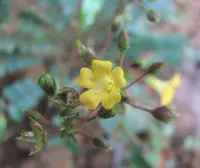
wall germander Care (Teucrium chamaedrys)

wall germander

About wall germander

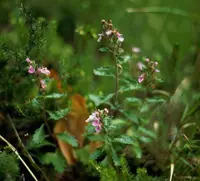
Wall germander (Teucrium chamaedrys) is a small evergreen subshrub grown mainly for its dense, low habit and neat, glossy foliage. It is often used as a low hedge, edging plant, or groundcover in formal and informal gardens. The plant forms compact mounds of dark green, toothed leaves and carries short spikes of pink to purple flowers in summer that attract bees and other pollinators. Native to rocky, sunny slopes in southern and central Europe, it is adapted to relatively poor, well-drained soils. These traits make it generally easy to grow in dry, sunny garden sites, provided excess moisture is avoided. Understanding how to care for wall germander mainly involves giving it enough light and avoiding waterlogged conditions.

Main Plant Requirements

Care Difficulty

Easy Care

Light Preference

Full Sun

Water Requirements

Low Water

Temperature Preference

Cold Hardy

Hardiness Zone

5–9

Soil Texture

Sandy, Loamy, Rocky

Soil pH

Slightly acidic (6.5–7.0), Slightly alkaline (7.0–7.5)

Soil Drainage

Well-drained

Fertilization

Minimal (feed rarely)

Get Personalized Care Plan

Scan your plant to receive care tips personalized for your specific plant

Available on iOS and Android

How to Care for the wall germander

Teucrium chamaedrys thrives in bright, direct light in most temperate gardens.

  • Provide 6–8 hours of full sun daily; morning and midday sun are ideal, with light afternoon shade in very hot climates.
  • Plant wall germander where it receives at least 4 hours of direct sun; in partial shade it becomes looser and flowers less.
  • Watch for pale, weak growth as a sign of too little light, and for scorched, crispy leaves during heatwaves when sun exposure may need slight reduction.

Teucrium chamaedrys prefers slightly dry conditions and dislikes prolonged wet soil.

  • Allow the top 3–5 cm of soil to dry between waterings; soil should feel dry to the touch before adding water.
  • Ensure sharply drained soil or a raised bed to prevent waterlogging, which can cause root rot and yellowing leaves.
  • Reduce watering in fall and winter, especially in cool, rainy climates; wilted, dull foliage signals thirst, while soft, blackened stems indicate overwatering.

This species is adapted to warm summers and cool, dry conditions rather than tropical heat.

  • Ideal growing temperatures are 65–80°F (18–27°C), with good air movement in hotter regions to reduce stress.
  • Established plants tolerate down to about 0–5°F (-18 to -15°C) with mulch, but young plants are safer above 15°F (-9°C).
  • In summer heat above 90°F (32°C), provide some afternoon shade and consistent soil moisture to limit leaf scorch and growth slowdown.

Teucrium chamaedrys tolerates a wide humidity range and usually does not need special humidity management indoors or outdoors.

This species prefers lean, well-drained, mineral soils and quickly declines in heavy, waterlogged substrates.

  • Aim for a sandy or gritty loam with low to moderate organic matter rather than rich, peat-heavy mixes.
  • Ensure very free drainage; on heavy native soil, plant into a raised bed or mound with extra grit or coarse sand.
  • Target slightly alkaline to neutral pH, often 6.8–7.8, and avoid strongly acidic conditions.
  • For containers, combine roughly 2 parts cactus or sandy potting mix with 1 part grit or perlite to improve aeration and prevent root rot.

This species is well suited to container growing, especially on sunny patios, balconies, or as a low hedge in pots.

  • Choose a broad, shallow to medium-depth pot that accommodates its spreading, fibrous roots without excessive unused depth that traps moisture.
  • Use a heavier material such as terracotta or ceramic to keep low, woody growth stable in wind and reduce tipping risk.
  • Elevate the container slightly on pot feet or bricks so drainage holes clear the surface and excess irrigation water escapes quickly.

This drought-tolerant shrub needs only modest feeding, especially when grown in lean, well-drained soils.

  • Apply a light dressing of compost or a balanced slow-release fertilizer (around 10-10-10) once in spring to support healthy wall germander growth.
  • Use slow-release granules mixed into the top 2–3 in of soil rather than frequent liquid feeds.
  • During the main growing season, avoid additional high-nitrogen products that cause weak, lush growth.
  • Stop feeding in late summer and do not fertilize in winter dormancy to prevent soft, frost-prone shoots.

Teucrium chamaedrys responds well to pruning, which keeps plants dense, low, and floriferous.

  • Shear lightly after main flowering in late spring or early summer to maintain a compact hedge or edging line.
  • Remove dead, damaged, or crossing stems at the base with clean, sharp hand pruners.
  • Shorten overly long or woody shoots by up to one-third to stimulate fresh basal growth.
  • In late winter, tidy the outline by trimming stray stems, avoiding cutting back into very old, bare wood.

This species is more often transplanted in the garden than repotted, as it prefers to grow in the ground.

  • Transplant in early spring or early fall so roots establish in mild temperatures before heat or hard frost.
  • Look for signs like slow growth, roots circling a container, or soil drying very fast to judge when a pot-grown plant needs a larger pot.
  • Aim to move container plants only every 2–3 years, stepping up just 1 pot size with gritty, well-drained soil.
  • Reduce root stress by watering well before and after moving, handling the root ball gently, and shading for a few days in hot or windy conditions.

Teucrium chamaedrys is commonly propagated by cuttings and division, which maintain the desired form.

  • Take 7–10 cm semi-ripe stem cuttings in late spring to summer, removing lower leaves and any flowers.
  • Insert cuttings into a free-draining mix of sand and peat-free compost, and keep in bright, indirect light with even moisture.
  • Divide established clumps in early spring or fall, replanting sections at the same depth and watering in well.
  • Seeds can be sown in spring in a gritty seed mix, kept lightly moist and warm until germination.

This plant is generally cold hardy in many temperate regions and often needs only minimal winter attention.

  • In climates colder than its usual range, add a 5–7 cm mulch layer around the root zone, keeping mulch off the stems.
  • Leave most top growth over winter to shelter crowns, then lightly trim in late winter or early spring.
  • Container plants in very cold areas benefit from a sheltered spot or unheated greenhouse to reduce freeze-thaw stress.

Care Tips

Shear For Density

Lightly shear the plant with hedge shears immediately after flowering to maintain a tight, low hedge and to encourage dense new basal growth instead of letting stems become woody and open.

Renewal Pruning Cycle

Every 3–4 years, cut back one-third of the oldest, woodiest stems at ground level in early spring to rejuvenate the clump without shocking the entire plant at once.

Edge And Contain

Install a shallow root barrier or keep a spade-cut edge around beds if you use it as edging, as this controls lateral spread and keeps lines crisp along paths or borders.

Improve Winter Drainage

In regions with wet winters, mound the planting area 5–10 cm higher than the surrounding soil or use a low berm so crown and roots stay drier and resist rot.

Monitor Stem Lodging

In richer soils, watch for stems that flop outward and lightly clip or tip-prune those shoots early, which encourages a more compact, upright form and reduces snow or wind damage later in the season when growing wall germander.

Common Pests and Diseases

Leaf spot

This disease causes small brown to black spots on the leaves that may merge and lead to partial leaf drop, especially in humid or crowded plantings.

Solution

Remove and discard affected leaves, avoid overhead watering, and thin or trim plants to improve air circulation; if wet conditions persist, a copper-based fungicide labeled for ornamental shrubs can be applied according to label directions as part of Teucrium chamaedrys care.

Powdery mildew

This disease produces a white to gray powdery coating on upper leaf surfaces, which can cause leaves to yellow, curl, and lose vigor in shaded or poorly ventilated plantings.

Solution

Increase sun exposure where possible, prune to open the plant for better airflow, avoid evening overhead watering, and treat persistent cases with a sulfur or potassium bicarbonate fungicide used according to label directions.

Spider mites

These pests cause fine stippling, dull foliage, and delicate webbing on undersides of leaves, often during hot, dry weather when plants are water-stressed.

Solution

Rinse foliage thoroughly with a strong but gentle stream of water, increase humidity around the plant base with mulch, and use insecticidal soap or a horticultural oil on leaf undersides at 5–7 day intervals until new growth appears clean.

Aphids

These insects cluster on young stems and leaf tips, sucking sap and causing curling, distortion, and sticky honeydew that can attract sooty mold growth.

Solution

Squash small colonies by hand or dislodge them with a firm spray of water, encourage or introduce natural predators such as lady beetles, and treat heavier infestations with insecticidal soap, ensuring thorough coverage of new shoots and leaf undersides.

Crown and stem canker

This disease causes dark, sunken lesions at the crown or along stems, leading to localized dieback and poor overall vigor, especially in plants stressed by poor drainage or mechanical damage.

Solution

Cut out and destroy affected stems well below visible lesions, improve drainage and avoid injuring the base of the plant, and if losses are repeated in the same spot, replant wall germander in a better-drained location and rotate away from the infected area for several years.

Interesting Facts

Low-growing subshrub

This species forms dense, woody mats only about 10–30 cm tall, with creeping rootstocks that allow it to knit together stone walls and rocky edges over time.

Semi-evergreen aromatic foliage

Its small, opposite leaves are aromatic when crushed and often remain on the plant through mild winters, especially in regions with relatively dry, well-drained soils.

Specialized bee resource

The pink to purple, two-lipped flowers are rich in nectar and structured to favor visits by bees, which use the lower lip as a landing platform while contacting the reproductive parts of the flower.

Botan icon

Did you know?

Wall germander has a long history in European formal gardens, where its compact, slow-to-moderate growth and dense branching made it a traditional choice for low knot-garden hedges centuries before modern boxwood plantings became standard.

FAQs about wall germander

This species forms low, woody clumps and slowly spreads outward, mainly by short rhizomes and reseeding. In most gardens it is moderate, not aggressive, but edging or shallow root barriers help keep it neatly contained along paths and borders.

Grow Healthy Plants with Botan Care

Keep your plants happy and healthy with plant identification, disease detection, and easy care guidance.

Botan plant care app — identify plants on mobile

Explore More Plants