Controlled spread management
Install a shallow root barrier or regularly spade a narrow trench around the clump each spring to prevent this vigorous plant from spreading into paths or neighboring beds.

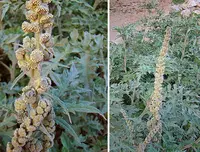
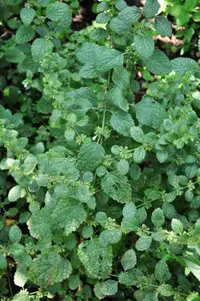
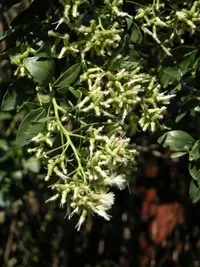
Altamisa (Ambrosia arborescens) is a strongly aromatic shrub, often woody at the base, with finely divided gray‑green leaves and small, inconspicuous flower clusters. It typically forms loose, upright bushes and can become quite dense where conditions are favorable.
This species is native to Andean regions of South America, where it grows in disturbed areas, field margins, and dry slopes. It is generally hardy, adaptable, and can spread readily, which makes it easy to establish but sometimes invasive.
Altamisa prefers sunny, well‑drained sites and tolerates poor soils and irregular moisture once established. Its toughness simplifies how to care for altamisa, but controlling spread and size is often necessary in gardens.

Care Difficulty
Moderate Care

Light Preference
Full Sun

Water Requirements
Moderate Water

Temperature Preference
Warm Climate

Hardiness Zone
9–11

Soil Texture
Loamy, Sandy, Organic-rich

Soil pH
Slightly acidic (6.5–7.0), Neutral (7.0)

Soil Drainage
Well-drained

Fertilization
Minimal (feed rarely)
Scan your plant to receive care tips personalized for your specific plant
Available on iOS and Android
Ambrosia arborescens prefers bright outdoor conditions with several hours of direct sun for strong, aromatic growth.
Ambrosia arborescens prefers moderately moist, well-drained soil and does not tolerate prolonged saturation.
This species favors mild, frost-free climates and shows best growth where extremes of heat and cold are limited.
This aromatic shrub tolerates a wide humidity range but performs best with moderately dry air.
This species prefers lean, fast-draining, slightly dry soil rather than rich, heavy mixes.
This shrub can be grown in containers when given a stable, well-drained setup outdoors.
This hardy shrub generally needs modest feeding, especially when grown in poor soils or containers as altamisa.
Pruning Ambrosia arborescens helps maintain a compact, healthy shrub and encourages fresh growth.
This species is more often grown in the ground, but young or container plants sometimes need transplanting or repotting.
New Ambrosia arborescens plants are usually produced from semi-ripe cuttings or seeds under warm, bright conditions.
Established plants are moderately cold tolerant in mild climates and usually need only light winter care.

Plant Health Check
Not sure what's wrong with your plant? Check your plant's health inside the app.
This species is native to high elevations in the central Andes, where it commonly grows on disturbed slopes, field margins, and roadsides rather than in closed forest.
Its leaves release a strong, resinous aroma when crushed, produced by abundant glandular trichomes that secrete essential oils and other secondary metabolites.
Like other ragweeds, it relies mainly on wind pollination, producing many small, inconspicuous flowers that shed lightweight pollen into the air rather than attracting animal pollinators.

In parts of the Andes this species has become a characteristic component of so‑called ruderal vegetation, meaning plant communities that rapidly colonize repeatedly disturbed soils around human settlements and agricultural areas, showing its strong adaptation to human‑modified landscapes.
This species spreads by seed and can self-sow freely, especially in disturbed, sunny ground. In favorable conditions it may form dense patches, so deadhead spent flower structures and remove unwanted seedlings to keep it contained in gardens.
Keep your plants happy and healthy with plant identification, disease detection, and easy care guidance.