

Lawn orchid Care (Zeuxine strateumatica)

Also known as: centipede grass orchid, Soldier Orchid
Lawn orchid

About Lawn orchid

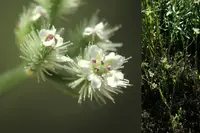
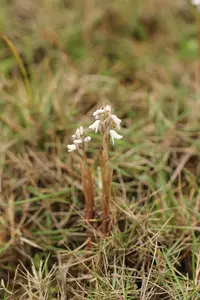
Lawn orchid (Zeuxine strateumatica) is a small terrestrial orchid that often appears in lawns, open turf, and disturbed grassy areas. It forms low rosettes of narrow leaves and sends up short, slender spikes of tiny white to pale yellow flowers.

This species is native to Asia but has naturalized in warmer regions of the US, especially in irrigated lawns and golf courses. It behaves more like a fine-leaved lawn weed than a typical ornamental orchid.

Zeuxine strateumatica grows easily where soil stays moist, light is bright to lightly shaded, and mowing or foot traffic are not too heavy. These traits make it simple to care for Lawn orchid in suitable climates, though it can spread where conditions are favorable.

Main Plant Requirements

Care Difficulty

Moderate Care

Light Preference

Partial Shade

Water Requirements

Keep Soil Moist

Temperature Preference

Tropical / Frost Sensitive

Hardiness Zone

9–11

Soil Texture

Loamy, Silty, Organic-rich

Soil pH

Slightly acidic (6.5–7.0), Neutral (7.0)

Soil Drainage

Moist but well-drained

Fertilization

Minimal (feed rarely)

Get Personalized Care Plan

Scan your plant to receive care tips personalized for your specific plant

Available on iOS and Android

How to Care for the Lawn orchid

This small ground orchid prefers gentle light similar to bright, open lawn edges.

  • Provide 3–5 hours of soft morning sun with bright, filtered light the rest of the day for best growth.
  • Tolerates light, shifting shade under grasses or low plants; dense shade reduces flowering and weakens Lawn orchid over time.
  • Avoid harsh midday and afternoon sun in hot summers, which can scorch leaves; in winter, allow more direct sun where frost is not severe.

This species favors steadily moist but not waterlogged soil in its grassland habitats.

  • Water when the top 2–3 cm of soil feel just barely dry, aiming to keep the root zone evenly damp during active growth.
  • Use well-drained, loamy or sandy soil so excess water runs off quickly; puddling or a sour smell suggests poor drainage and possible rot.
  • Reduce watering slightly in cooler months as growth slows, but never let the soil bake hard and crack, which signals underwatering stress for Zeuxine strateumatica.

This warm-climate ground orchid grows best in mild, frost-free conditions.

  • Optimal growth occurs around 68–82°F (20–28°C), which supports steady leaf and root development through the growing season.
  • Plants tolerate down to about 40°F (4–5°C) for short periods, but repeated light frosts can damage foliage and reduce flowering.
  • Heat above 90°F (32°C) is tolerated if soil moisture stays stable; in hot spells, avoid reflected heat from pavement and reduce drying winds.

This terrestrial orchid accepts a moderate humidity range but benefits from slightly moist air.

  • Aim for 50–70% humidity, similar to a mild, humid outdoor morning in warm regions where Lawn orchid often appears in turf.
  • It tolerates brief dips to 30–40% but prolonged very dry air makes leaves dull and tips brown.
  • Increase humidity by grouping pots, placing the container on a pebble tray with water below the pot base, or lightly misting foliage in the morning.

This species prefers loose, moisture-retentive yet draining soil that mimics a thin, organic turf layer.

  • Use a mix of 40% fine compost, 40% sandy loam, and 20% perlite or fine pumice to combine moisture retention with air spaces around the roots.
  • Keep drainage free by avoiding heavy clay or pure sand, which can either waterlog or dry out Zeuxine strateumatica too quickly.
  • Aim for slightly acidic to neutral pH around 6.0–7.0, which supports nutrient availability without causing root stress.
  • Improve aeration by gently working in fine bark or leaf mold, and avoid compacting the surface with heavy foot traffic or frequent firming.

This small terrestrial orchid is suitable for container growing when moisture and drainage are balanced carefully.

  • Choose a shallow, wide pot so the fine, surface-oriented roots can spread without sitting in a deep column of wet mix.
  • Select a breathable material such as unglazed terracotta if the potting mix stays damp for more than 3–4 days after watering.
  • Raise the container slightly on pot feet or grids so drainage holes stay clear and excess water leaves the root zone quickly.

Zeuxine strateumatica is a small terrestrial orchid that benefits from light, carefully controlled feeding during active growth.

  • Use a balanced, dilute liquid fertilizer (around 10-10-10) at 1/4–1/2 strength suitable for Lawn orchid and other terrestrial orchids.
  • Apply every 3–4 weeks in spring and summer when new leaves and shoots are forming.
  • Avoid fertilizing dry soil; water lightly first, then add the diluted solution to reduce root burn risk.
  • Reduce or stop feeding in fall and winter when growth slows or foliage dies back.

Zeuxine strateumatica needs minimal pruning, mainly to keep plants tidy and reduce disease risk.

  • Best time to prune is after flowering, once flower spikes begin to fade and foliage starts declining.
  • Remove spent flower stems and yellow, dead, or damaged leaves with small clean scissors or pruning snips.
  • Thin crowded, weak shoots at the base to improve air flow around remaining growth and reduce fungal issues.
  • Avoid heavy cutting into healthy green tissue, as this small orchid stores limited reserves in its stems and roots.

This small terrestrial orchid is usually grown in the ground or shallow trays and only needs infrequent disturbance.

  • Transplant or repot every 2–3 years, or when roots circle the pot, growth becomes sparse, or the medium breaks down.
  • Plan moves for late winter to early spring, just before strong new growth starts, to shorten recovery time.
  • Lift clumps gently, keeping as much root and surrounding soil or orchid mix intact as possible to limit shock.
  • Replant in a shallow container or bed with free-draining, humus-rich mix, water lightly, then keep evenly moist while roots re-establish.

Zeuxine strateumatica is usually propagated by careful division of mature clumps rather than from seed in home conditions.

  • Divide established plants in late winter or early spring when dormant or just sprouting new shoots.
  • Lift the clump and separate small sections, each with healthy roots and at least 1–2 growing points.
  • Replant divisions into a moist, loose, humus-rich substrate and keep in bright, indirect light.
  • Maintain steady moisture and moderate warmth (around 65–75°F) to support rooting and new top growth.

This warm-temperate to subtropical orchid has limited frost tolerance and benefits from simple winter protection in cooler climates.

  • In mild regions, apply a 3–5 cm layer of loose mulch over the root zone once foliage dies back.
  • Keep the planting area just moist, not wet, during dormancy to avoid tuber and root rot.
  • In colder climates or containers, move plants indoors to a cool, frost-free spot with indirect light.
  • Avoid hard freezes below about 30°F; long exposure can damage underground structures and reduce next season’s growth.

Care Tips

Controlled spreading

Use shallow plastic or metal edging around the planting area to limit rhizome spread, since this species can quickly colonize adjacent turf or beds if not physically contained.

Mowing integration

If plants are naturalized in a lawn, set the mower to a slightly higher cut and mow only after flowering and seed set so the colony can regenerate from underground parts.

Targeted disturbance

Lightly scarify or rake the soil surface in late summer before the active season to break crusting, which improves shoot emergence and helps maintain an even, low colony when growing Lawn orchid.

Careful relocation

When a clump appears in an unwanted spot, lift it with a thin spatula or hand trowel, keeping the fibrous roots and surrounding soil intact, then replant immediately at the same depth in a preferred area.

Monitoring competition

Check regularly for invasive grasses or aggressive groundcovers encroaching into the patch and manually remove them by hand rather than using herbicides, which this small terrestrial orchid tolerates poorly.

Common Pests and Diseases

Rice yellow mottle virus

This disease causes yellow mottling, streaks, and stunting, especially where lawn orchid grows as a weed in irrigated turf or rice-adjacent areas. Symptoms include reduced vigor, distorted leaves, and poor flowering.

Solution

Remove and destroy infected plants to reduce the local virus reservoir and limit spread to nearby grasses and crops. Control weedy lawn orchid populations around rice fields, clean tools, and reduce movement of contaminated plant debris and irrigation water between infested and clean areas.

Leaf spot fungi

This disease produces small brown to dark lesions on leaves, which may enlarge and merge under warm, humid conditions typical of irrigated lawns. Symptoms include yellowing around the spots and premature leaf drop, reducing photosynthesis and plant vigor.

Solution

Remove and discard heavily spotted leaves to lower the fungal load, and avoid overhead irrigation or waterlogging that keeps foliage wet for long periods. Improve air movement, water at soil level where possible, and, in high-value settings such as turf research plots, use a labeled turf or orchid-safe fungicide if cultural measures are insufficient.

Scale insects

These insects attach to stems and leaf bases, sucking sap and causing localized yellowing, reduced growth, and sometimes sticky honeydew that encourages sooty mold. Infestations are more frequent where lawn orchid grows closely among ornamental grasses or near infested ornamentals.

Solution

Gently scrape or wipe scale from stems and leaf sheaths with a cotton pad dipped in diluted insecticidal soap or horticultural oil, taking care not to damage the thin tissues. Repeat treatments every 7–10 days until new crawlers stop appearing, and reduce ant activity nearby so natural predators can access the pests.

Aphids

These insects cluster on young shoots and inflorescences, sucking sap and causing distortion of new growth and flower buds in dense turf or groundcover stands. Honeydew deposits can attract ants and promote sooty mold on the small leaves.

Solution

Dislodge colonies with a firm stream of water where practical, then treat remaining clusters with insecticidal soap or a light horticultural oil, ensuring thorough coverage of undersides and tight leaf bases. Limit excessive nitrogen fertilization in turf or surrounding vegetation, since very lush, soft growth encourages aphid buildup when growing Lawn orchid among other grasses.

Interesting Facts

Invasive turf orchid

This species is one of the few orchids that behaves as a lawn and turfgrass weed, often appearing suddenly in managed lawns, golf courses, and sports fields in warm regions.

Opportunistic colonizer

Its tiny dust-like seeds can germinate in compacted, nutrient-poor soils, allowing it to colonize disturbed, heavily managed sites where many native orchids cannot survive.

Cool-season growth pattern

In subtropical and warm-temperate climates it often germinates and grows during the cooler, drier season, then sets seed and declines as temperatures and mowing frequency increase.
Botan icon

Did you know?

Zeuxine strateumatica was originally described from Asia but has spread unintentionally with turf and soil to multiple continents, making it one of the most widely naturalized terrestrial orchids in urban and suburban landscapes.

FAQs about Lawn orchid

Lack of flowers often comes from recent disturbance, insufficient light, or nutrient-poor, very dry soil. Allow the clump to establish, maintain consistent moisture, and avoid frequent moving or dividing to support reliable flowering.

Grow Healthy Plants with Botan Care

Keep your plants happy and healthy with plant identification, disease detection, and easy care guidance.

Botan plant care app — identify plants on mobile

Explore More Plants