washerwoman Care (Alternanthera caracasana)

Also known as: mat chaff-flower, khakiweed
washerwoman

About washerwoman

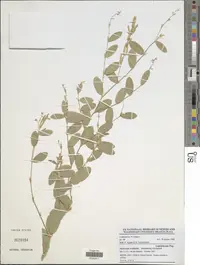
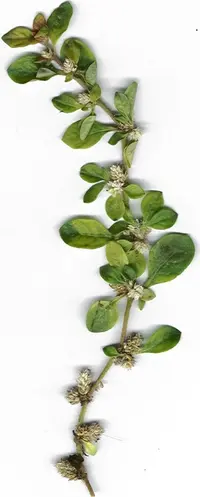
Washerwoman, Alternanthera caracasana, is a low, spreading herb often used as a groundcover in warm climates. It forms dense mats of small, green to slightly purplish leaves along creeping stems. Native to tropical and subtropical regions of the Americas, it has naturalized in many disturbed sites, lawns, and roadsides. This growth habit can make it useful for quick cover but also means it can become weedy in suitable conditions. The plant is generally easy to manage where winters are cool, as frost limits its spread. It prefers sunny, open spots with moderate moisture and well-drained soil, which is helpful to understand when learning how to care for washerwoman.

Main Plant Requirements

Care Difficulty

Easy Care

Light Preference

Full Sun

Water Requirements

Moderate Water

Temperature Preference

Tropical / Frost Sensitive

Hardiness Zone

9–11

Soil Texture

Sandy, Loamy, Organic-rich

Soil pH

Acidic (5.5–6.5), Slightly acidic (6.5–7.0)

Soil Drainage

Well-drained

Fertilization

Minimal (feed rarely)

Get Personalized Care Plan

Scan your plant to receive care tips personalized for your specific plant

Available on iOS and Android

How to Care for the washerwoman

Alternanthera caracasana grows best with ample sun to support dense foliage and strong color.

  • Provide 4–6 hours of direct sun daily, ideally with morning sun and light afternoon shade, especially in hot summer regions.
  • Tolerates light or dappled shade for part of the day, but washerwoman becomes thinner, taller, and duller in color if light drops below about 3–4 hours.
  • Watch for leaf scorch, crisp edges, or washed-out color in harsh afternoon sun; offer filtered light or slight shade during peak summer heat.

Alternanthera caracasana prefers evenly moist, well-drained soil without long soggy periods.

  • Water when the top 2–3 cm of soil feels dry, allowing moisture to reach the root zone but avoiding standing water or constantly saturated soil.
  • In hot, dry weather, check soil daily; in cooler seasons or rainy periods, extend intervals and skip watering if soil still feels moist below the surface.
  • Overwatering shows as yellowing, soft leaves and a musty smell in the soil, while underwatering causes limp, dull foliage that recovers slowly after watering.

This species prefers warm, frost-free conditions to maintain compact, vigorous growth.

  • Aim for 70–85°F (21–29°C) for fastest growth; plants continue growing, but more slowly, around 60–70°F (16–21°C).
  • Avoid temperatures below 50°F (10°C); tissue damage often starts near 40°F (4°C), and even light frost can kill top growth.
  • In heat above 90°F (32°C), growth may stall; provide soil moisture and some afternoon shade to limit stress and leaf scorch through midsummer.

This species handles a wide humidity range but grows best with moderate ambient moisture.

  • Aim for 40–60% humidity; typical indoor and outdoor conditions in most homes and gardens are acceptable.
  • Dry air may cause slight leaf edge browning and slower growth, but the plant usually recovers if watered correctly.
  • To ease humidity stress in very dry climates, group pots together or place them near other leafy plants rather than misting frequently.

Alternanthera caracasana prefers loose, well-drained soil that still holds some moisture.

  • Use a light loam or sandy loam enriched with 20–30% compost to support steady growth without waterlogging.
  • Ensure fast drainage by blending in coarse sand or perlite at 20–40% of the mix, especially in containers or heavy native soil.
  • Keep pH roughly neutral to slightly acidic (pH 6.0–7.0), avoiding strongly alkaline or salty substrates that restrict nutrient uptake.
  • Avoid dense clay, compacted ground, or mixes heavy in fine peat unless opened with coarse particles to maintain aeration around the roots.

This spreading species is suitable for containers if the pot supports lateral growth and quick drainage.

  • Choose a wide, shallow container that allows stems to spread horizontally rather than a deep, narrow pot.
  • Use a pot material that matches your climate: plastic for faster drying sites, terracotta for cooler, wetter locations to avoid waterlogging.
  • Raise the container slightly on pot feet or bricks so drainage holes stay clear and excess water exits quickly after rainfall or irrigation.

Alternanthera caracasana responds well to light, consistent feeding during its warm growing season.

  • Use a balanced liquid NPK fertilizer at 1/2 strength every 3–4 weeks in spring and summer for washerwoman grown in containers.
  • Alternatively, apply a slow-release balanced granular fertilizer at the start of the growing season, following label rates.
  • In the ground, incorporate a thin layer of mature compost around the root zone once in spring.
  • Reduce or stop feeding in fall and winter when growth slows, as excess nutrients can lead to weak, leggy stems.

Alternanthera caracasana benefits from periodic light pruning to maintain a compact, healthy form.

  • Best timing is during active growth in late spring through summer, avoiding very hot, dry spells.
  • Use clean, sharp scissors or hand pruners to remove dead, damaged, or crossing stems.
  • Pinch or trim soft tips to encourage denser branching and a low, bushy habit.
  • Cut back any excessively long or sparse shoots to improve airflow and light penetration into the plant.

This species is often grown as a low bedding plant, so transplanting young plants is more common than long-term container repotting.

  • Transplant in spring after frost risk has passed, when plants are actively growing and recover faster.
  • Move plants if growth is stunted, roots circle the pot, or soil dries out very quickly after watering.
  • Typically shift container-grown plants to a pot 2–3 in wider every 1–2 years, using a well-drained mix.
  • Water thoroughly before and after moving, keep roots shaded, and avoid disturbing the root ball more than necessary to reduce stress.

New Alternanthera caracasana plants are most commonly produced from softwood stem cuttings and sometimes from seed.

  • Take 5–8 cm non-flowering stem cuttings in late spring or early summer, just below a node.
  • Strip lower leaves and place cuttings in moist, well-drained mix under bright, indirect light and high humidity.
  • Optional rooting hormone on the cut end can speed root formation and improve success rates.
  • Seeds can be sown shallowly in warm (70–75°F) conditions, keeping the substrate evenly moist until germination.

This warm-season species has low frost tolerance and needs protection in climates with cold winters.

  • In regions below about 30–32°F, grow it as an annual or lift key plants into containers before hard frosts.
  • Mulch garden plantings with a 5–8 cm organic layer to buffer shallow roots in mild-winter areas.
  • For container plants, move pots indoors or into a frost-free greenhouse with bright light before freezing nights.

Care Tips

Pinch For Bushiness

Pinch back soft shoot tips every 2–3 weeks during active growth to keep plants dense and low, and to prevent them from becoming leggy and shading out neighboring groundcovers.

Edge Containment

Install a shallow physical barrier 5–8 cm deep around beds to slow lateral spread of roots and runners, making it easier to maintain clear borders and prevent escape into lawns or natural areas.

Regular Biomass Removal

Shear or trim back up to one‑third of the foliage several times per season, and remove clippings from the soil surface to reduce self‑seeding and keep growth vigorous rather than congested.

Targeted Weed Suppression

Use dense, well‑maintained patches as a living mulch only in clearly defined areas, and hand‑remove any taller weeds that appear before they set seed to maintain a clean, uniform groundcover.

Monitoring For Spread

Walk the perimeter of plantings monthly in the warm season to pull any new outlying shoots or seedlings while they are still small, which is a key step when caring for washerwoman in regions where it can naturalize quickly.

Common Pests and Diseases

Spider mites

This pest often appears on sun-exposed, drought-stressed plants and causes fine stippling, bronzing, and webbing on the small leaves. Symptoms include slowed growth and a faded, dusty look on foliage.

Solution

Rinse foliage thoroughly with a strong but gentle stream of water, including leaf undersides, and repeat every few days to break the life cycle. In warm, dry periods increase humidity around plantings, avoid water stress, and use insecticidal soap or horticultural oil targeted to mites if infestations persist, following label directions carefully.

Leaf miners

These insects create pale, winding tunnels within the narrow leaves, leading to distorted, thin foliage and cosmetic damage. Symptoms include whitish squiggles or blotches that follow the path of the larvae inside the leaf blades.

Solution

Remove and dispose of mined leaves as soon as damage is noticed to limit larvae development and future adults. For repeated outdoor infestations, encourage beneficial wasps, use floating row covers where appropriate, or apply a selective systemic product labeled for leaf miners, taking care to protect pollinators by treating only when plants are not in bloom.

Aphids

This pest clusters on new shoots and tender stems, sucking sap and causing curling or distortion of the small leaves. Symptoms include sticky honeydew on foliage and surrounding surfaces, sometimes followed by sooty mold growth.

Solution

Wash colonies off with a firm spray of water and pinch back heavily infested shoot tips. If populations remain high, apply insecticidal soap or a light horticultural oil, thoroughly coating stems and leaf undersides, and reduce excess nitrogen fertilization that encourages very soft, aphid-prone growth.

Southern blight

This disease, caused by soil-borne fungi in hot, humid climates, leads to sudden wilting, stem collapse at the soil line, and rapid death of patches in groundcover plantings. Symptoms include white fungal growth and small tan sclerotia at the base of infected stems.

Solution

Promptly remove and discard affected plants and surrounding surface soil, and avoid replanting susceptible species in the same spot. Improve drainage, reduce overhead irrigation, keep mulch pulled back slightly from stems, and where disease pressure is high consider using resistant or less susceptible groundcovers in rotation.

Leaf spot

This disease produces small brown, tan, or purplish spots on the leaves that can merge on dense mats of foliage, especially in warm, wet conditions. Symptoms include thinning of the planting and premature leaf drop in poorly ventilated areas.

Solution

Remove and discard heavily spotted leaves to reduce inoculum, and water at the base rather than overhead so leaves dry quickly. Increase spacing or trim back dense patches to improve airflow, and in persistent, severe cases consider a labeled ornamental foliar fungicide applied preventively during extended wet periods as part of overall Alternanthera caracasana care.

Interesting Facts

South American origin

This species is native to tropical regions of South America, especially Venezuela and neighboring countries, and has spread to many warm regions worldwide as a naturalized weed.

Prostrate mat growth

It grows as a low, sprawling herb that forms dense mats close to the ground, which helps it outcompete other small plants and tolerate mowing and foot traffic in disturbed sites.

Tiny wind‑dispersed seeds

The plant produces many small, dry fruits containing seeds that disperse easily with wind and movement of soil, contributing to its rapid spread along roadsides, lawns, and agricultural areas.

FAQs about washerwoman

Insufficient light, repeated hard trimming, or nutrient-poor soil usually reduce flowering. Allow stems to grow between prunings, avoid heavy nitrogen fertilizer, and ensure warm conditions. Consistent, moderate feeding and sun exposure support better Alternanthera caracasana care and flowering.

Grow Healthy Plants with Botan Care

Keep your plants happy and healthy with plant identification, disease detection, and easy care guidance.

Botan plant care app — identify plants on mobile

Explore More Plants