Cerfolium Care (Ammoides pusilla)

Cerfolium

About Cerfolium

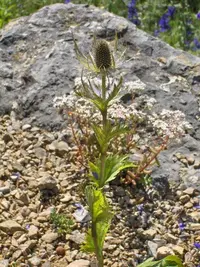
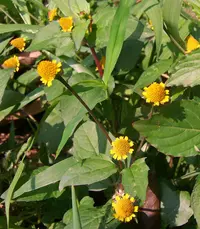
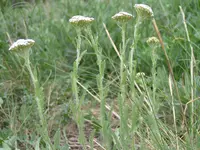
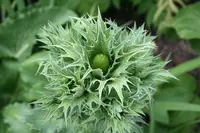
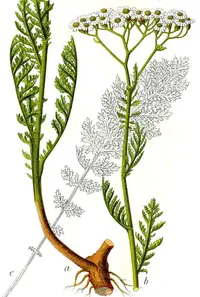
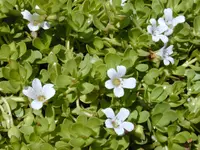
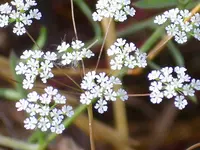
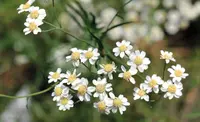
Cerfolium (Ammoides pusilla) is a small annual herb in the carrot family, grown mainly for its fine, aromatic foliage. It forms low, delicate tufts with very finely divided, almost feathery leaves and slender stems that carry tiny yellow flower clusters.

This species is native to Mediterranean regions, where it grows in open, sunny spots with well-drained, often sandy or rocky soils. In cultivation it stays compact and short-lived, which makes it suitable for herb beds, pots, and mixed plantings.

For those who want to learn how to care for Cerfolium, it generally prefers bright light, moderate moisture, and soil that drains quickly without staying wet for long periods.

Main Plant Requirements

Care Difficulty

Moderate Care

Light Preference

Full Sun

Water Requirements

Moderate Water

Temperature Preference

Warm Climate

Hardiness Zone

Unknown

Soil Texture

Sandy, Loamy

Soil pH

Slightly acidic (6.5–7.0)

Soil Drainage

Well-drained

Fertilization

Minimal (feed rarely)

Get Personalized Care Plan

Scan your plant to receive care tips personalized for your specific plant

Available on iOS and Android

How to Care for the Cerfolium

Ammoides pusilla prefers bright, open conditions with protection from the harshest midday sun.

  • Provide 4–6 hours of direct morning sun, with light afternoon shade in hotter regions to reduce leaf scorch risk.
  • Plant in a position that still receives bright light for 8–10 hours, as deep shade leads to weak, floppy stems and sparse flowering.
  • In cooler seasons or cloudier climates, choose the sunniest available spot; this supports compact growth and suits those growing Cerfolium in similar Mediterranean-type conditions.

This annual prefers slightly dry, free-draining conditions and is sensitive to waterlogged soil.

  • Allow the top 2–4 cm of soil to dry before watering; soil should feel dry to the touch rather than cool and wet.
  • Use sharply drained, sandy or gritty soil so excess water runs through quickly, reducing root rot and fungal problems in Ammoides pusilla.
  • In cooler or rainy seasons, reduce watering and watch leaves: wilting with dry soil suggests underwatering, while yellowing, soft stems suggest excess moisture.

This Mediterranean annual grows best in mild, warm conditions without prolonged frost or extreme heat.

  • Aim for daytime temperatures around 60–77°F (16–25°C), which support steady growth and flowering.
  • Protect from frost; growth usually stops near 40°F (4°C), and hard freezes can kill plants outright, especially young seedlings.
  • In hot spells above 86°F (30°C), provide light afternoon shade and ensure soil does not stay soggy, as combined heat and excess moisture increase stress and disease.

This Mediterranean annual handles 30–50% humidity comfortably and rarely needs special humidity management.

  • Tolerates typical indoor and outdoor dry air as long as soil moisture is consistent and roots do not dry out completely.
  • Crisp, browning leaf tips and slowed growth during hot, very dry spells can indicate mild humidity and water stress.
  • In climates much drier than 30%, group pots together and mulch the soil surface rather than misting, which offers little benefit for caring for Cerfolium.

This plant prefers light, well-aerated soil that drains quickly yet does not bake into a hard crust.

  • Use a sandy or sandy-loam mix, such as 2 parts all-purpose potting mix, 1 part coarse sand, and 1 part fine grit or perlite, to mimic its natural habitat.
  • Aim for slightly alkaline to neutral pH (7.0–8.0), avoiding highly acidic mixes where Ammoides pusilla may struggle to take up nutrients efficiently.
  • In heavy or clay soils, improve drainage and aeration by incorporating coarse sand and small gravel through the top 15–20 cm before planting.
  • Avoid compacted, waterlogged, or peat-heavy mixes that stay soggy, as these raise root-rot risk and reduce oxygen around the fine roots.

This species is suitable for container growing when the pot is chosen to support its shallow, spreading root system.

  • Select a wide, shallow container rather than a deep one so the root zone warms quickly and excess water does not linger at the bottom.
  • Choose a pot with multiple drainage holes so sudden summer downpours can drain rapidly, preventing temporary waterlogging of the fine roots.
  • Use unglazed terracotta or another breathable material to let the sides dry faster, which helps maintain the sharp drainage this annual prefers.

Ammoides pusilla is a short-lived annual that benefits from light feeding in poor soils but often needs no fertilizer in rich ground.

  • Use a light application of compost or a balanced liquid fertilizer (around 10-10-10) at 1/2 strength if growth appears weak.
  • Feed once at the start of active growth in spring; avoid repeated high-nitrogen doses that cause soft, leggy stems.
  • Hold off on feeding once flowering peaks, since the life cycle of Cerfolium is close to completion.
  • In containers, ensure nutrient-rich, well-drained mix instead of frequent strong fertilizers to prevent root burn.

Pruning Ammoides pusilla is minimal and mainly focuses on tidying and supporting healthy flowering.

  • In late spring to early summer, snip off spent flower heads to extend blooming and keep plants compact.
  • Remove any dead, yellowing, or damaged stems with clean, sharp scissors or small snips to reduce disease risk.
  • Thin overcrowded stems lightly to improve air flow and reduce mildew in humid conditions.
  • Avoid hard cutting back; this annual generally declines naturally after seeding and does not regrow strongly.

This species is usually grown as an annual in the ground, so transplanting is more relevant than repotting.

  • Sow in final position or transplant very young seedlings; older plants resent root disturbance and may stall.
  • Transplant in spring after frost, choosing a sunny, well-drained site and spacing plants to avoid crowding.
  • If container-grown, move only when roots circle the pot or growth slows, usually once during the season.
  • Water thoroughly before and after moving to reduce root stress, and handle the root ball gently without breaking fine roots.

Ammoides pusilla is most commonly propagated from seed, which suits its annual growth cycle.

  • Sow fresh seed in early to mid-spring once frost risk is low, either indoors in trays or directly outdoors.
  • Use a light, well-drained seed mix and press seeds onto the surface, barely covering to allow light exposure.
  • Keep the substrate evenly moist at 60–70°F until germination, then provide bright light and good air circulation.
  • Transplant seedlings at the 2–3 true leaf stage, disturbing roots as little as possible to maintain steady growth.

This annual typically completes its life cycle before winter, so living plants usually do not require winter care.

  • In colder regions, allow some seed heads to mature and drop to encourage natural self-sowing for the next season.
  • Containers can be emptied and soil refreshed in late fall after plants die back naturally.
  • In mild climates, volunteer seedlings may appear in late winter; thin them in early spring for healthy spacing.

Care Tips

Wind protection

In open or coastal sites, use low windbreaks such as short mesh fencing or companion rows of sturdier herbs to shield the fine stems from persistent wind that can cause lodging and moisture loss.

Succession sowing

Stagger sowings every 2–3 weeks in cool seasons so that plants remain in their prime, which keeps foliage finer and reduces the chance of plants bolting all at once.

Gentle harvesting

Cut stems with clean scissors just above a leaf node rather than pulling, which prevents root disturbance and encourages a modest flush of new side shoots.

Weed-light surface

Maintain a very shallow mulch of fine grit or coarse sand around plants to suppress small weeds while keeping the surface free-draining for the delicate taproot.

Seed saving hygiene

If saving seed, collect only from healthy, pest-free plants and dry the umbels on clean paper in a single layer, as this reduces fungal contamination and supports more reliable Ammoides pusilla plant care in the next season.

Common Pests and Diseases

Powdery mildew

This disease produces white, powdery patches on foliage and young stems, especially in warm, dry air with poor air movement.

Solution

Remove and dispose of heavily infected stems, thin surrounding vegetation to increase airflow, avoid overhead watering, and if needed apply a sulfur or potassium bicarbonate fungicide labeled for herbs, following local regulations and label directions.

Bacterial leaf spot

Symptoms include small, water-soaked spots on leaves that turn dark and may coalesce, often appearing after periods of splashing irrigation or rain.

Solution

Remove affected leaves promptly, water at soil level to keep foliage dry, improve spacing for quicker drying, and avoid working around plants when leaves are wet to limit spread.

Aphids

These insects cluster on tender stems and flower stalks, sucking sap and causing curling or distortion of fine foliage and inflorescences.

Solution

Dislodge colonies with a firm stream of water, pinch off heavily infested shoot tips, and if needed use insecticidal soap or a dilute horticultural oil, applying in the early morning and repeating as necessary.

Carrot fly larvae

This pest targets Apiaceae roots and taproots, with larvae tunneling into the root system and causing stunting, yellowing, and reduced vigor in plants grown in the ground or deep containers.

Solution

Use fine mesh insect netting over beds, avoid thinning or handling plants during peak egg-laying times, rotate planting sites yearly, and remove and discard any plants with badly damaged roots to reduce local populations.

Leaf miners

These insects create winding, pale tunnels inside the fine leaves, which can reduce photosynthesis and make foliage unattractive in ornamental or culinary use.

Solution

Pinch off and discard mined leaves as soon as tunnels appear, encourage beneficial parasitoid wasps by avoiding broad-spectrum insecticides, and use lightweight row covers if infestations are persistent in outdoor plantings.

Interesting Facts

Mediterranean microhabitat specialist

Ammoides pusilla is naturally restricted to dry, open Mediterranean habitats, often on rocky or sandy soils where competition from taller vegetation is low.

Tiny umbel architecture

The plant forms very small, delicate umbels (umbrella-shaped flower clusters) characteristic of the carrot family, providing accessible nectar for small flies and other minute pollinators.

Annual life strategy

This species completes its entire life cycle within a single growing season, producing seed quickly to exploit short windows of favorable moisture in its native climate.

FAQs about Cerfolium

This species is an aromatic annual herb used mainly as a culinary seasoning. Leaves and young green parts are edible in moderate amounts. Always confirm identification before consumption and avoid foraging from polluted areas or roadside edges.

Grow Healthy Plants with Botan Care

Keep your plants happy and healthy with plant identification, disease detection, and easy care guidance.

Botan plant care app — identify plants on mobile

Explore More Plants