Queen-of-the-Alps Care (Eryngium alpinum)

Also known as: Sea Holly
Queen-of-the-Alps

About Queen-of-the-Alps

Queen-of-the-Alps, Eryngium alpinum, is a hardy, perennial herbaceous plant grown mainly for its striking architectural flowers. It belongs to the Apiaceae family, the same family as carrots and parsley.

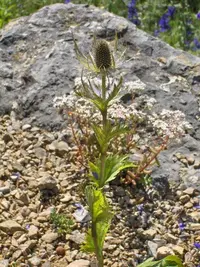
Plants form clumps of stiff, deeply divided leaves and tall stems topped with metallic blue flower heads surrounded by a spiky, thistle-like collar. This gives a bold, textured look in mixed borders and gravel gardens.

In nature, it occurs in high-altitude meadows and rocky slopes of the European Alps, where it tolerates cold, wind, and relatively poor soils. These traits make it fairly tough once established but it dislikes waterlogged ground and heavy shade.

Gardeners who want to learn how to care for Queen-of-the-Alps should focus on sun, drainage, and avoiding disturbance of its long taproot.

Main Plant Requirements

Care Difficulty

Moderate Care

Light Preference

Full Sun

Water Requirements

Low Water

Temperature Preference

Cold Hardy

Hardiness Zone

4–7

Soil Texture

Sandy, Loamy, Rocky

Soil pH

Slightly acidic (6.5–7.0), Neutral (7.0)

Soil Drainage

Well-drained

Fertilization

Minimal (feed rarely)

Get Personalized Care Plan

Scan your plant to receive care tips personalized for your specific plant

Available on iOS and Android

How to Care for the Queen-of-the-Alps

This alpine perennial thrives in strong light and performs best in open, sunny positions.

  • Provide 6–8 hours of direct sun daily; full sun all day promotes sturdy stems and the best metallic-blue color in Queen-of-the-Alps.
  • Accepts light partial shade, especially light afternoon shade in very hot summers, but flowering and bract color decline if it receives under 4–5 hours of direct sun.
  • In cool or cloudy climates, choose the brightest, south-facing spot available; avoid deep shade, which causes weak, floppy growth and reduced flowering.

This species prefers dry, free-draining conditions and is sensitive to excess moisture.

  • Allow the top 4–6 cm of soil to dry fully before watering; in typical garden beds, this often means waiting until the soil looks pale and feels crumbly.
  • During hot, dry periods, water deeply but infrequently, letting water drain through quickly; sandy or gravelly soil helps prevent waterlogging around the taproot.
  • Watch for overwatering signs such as yellowing lower leaves and soft crowns, and underwatering signs such as limp, shriveling foliage on hot days that recovers overnight in cooler air.

This hardy perennial tolerates cold winters but prefers moderate summer temperatures for best growth.

  • Optimal growing temperatures are around 60–75°F (16–24°C), which support strong stems and good flower development in Eryngium alpinum.
  • The plant tolerates winter lows near 0°F (−18°C) in well-drained soil; cold, saturated ground is more damaging than frost itself.
  • In summer heat above 86°F (30°C), flowering may shorten; provide mulch to moderate root temperatures and avoid reflected heat from walls or paving where possible.

Humidity is rarely critical for Eryngium alpinum, which thrives in dry, airy conditions typical of outdoor sites.

Eryngium alpinum prefers lean, mineral, sharply drained soil that mimics rocky alpine ground.

  • Use sandy or gravelly loam with low to moderate organic matter to prevent moisture buildup around the crown.
  • Ensure drainage is very fast, adding coarse sand or fine grit if native soil holds water for more than 1 day after rain.
  • Aim for slightly alkaline to neutral pH (around 7.0–7.8) by incorporating lime if the soil is distinctly acidic.
  • Avoid heavy clay, compacted, or waterlogged sites, which encourage root rot and shorten plant lifespan.

This species can be grown in containers outdoors if the pot is set up to stay dry and stable.

  • Choose a deep, heavy pot so the tall flowering stems do not tip the container in wind.
  • Fill the pot with a sandy, gritty mix and raise it slightly off the ground so drainage holes never sit in standing water.
  • Use light-colored or thick-walled containers in hot climates to limit root overheating in full sun.

This alpine perennial grows best in lean soil and usually needs only light feeding for strong flowering.

  • In spring, apply a small amount of balanced slow-release fertilizer (around 10-10-10) to established plants in poor soil.
  • Avoid rich compost or frequent feeding, which reduces the compact, upright habit and flowering of Queen-of-the-Alps.
  • During summer, do not exceed label rates; if using liquid feed, dilute to 1/2 strength and apply no more than monthly.
  • Stop fertilizing in late summer and do not feed during winter dormancy.

Pruning Eryngium alpinum is mainly about tidiness and supporting repeat flowering.

  • Cut spent flower stems back to the basal rosette in late summer to reduce seeding and encourage a neater shape.
  • Remove dead, diseased, or storm-damaged foliage whenever noticed, using clean, sharp hand pruners.
  • In late winter or very early spring, trim away old dried leaves to make space for new growth.
  • Avoid heavy cutting into healthy crowns, which can weaken plants and reduce flower production.

This species is usually grown in open ground and dislikes frequent disturbance once established.

  • Transplant in early spring or early fall when temperatures are mild and soil is workable.
  • Move only when necessary, such as poor performance, waterlogging, or overcrowding by neighboring plants.
  • Lift with a wide root ball, handle the deep taproot gently, and replant at the same depth in sharply drained soil.
  • Water thoroughly after transplanting, then keep soil just barely moist until new growth resumes to limit root stress.

Eryngium alpinum is most reliably propagated from seed, although success demands the right temperature sequence.

  • Sow fresh seed in fall in pots or trays outdoors so natural winter cold provides stratification, which breaks dormancy.
  • Use a gritty, free-draining mix and keep it evenly moist but never waterlogged.
  • Germination usually occurs in spring; prick out seedlings gently and pot on without disturbing the taproot much.
  • Division and cuttings are unreliable and often damage the taproot, so they are rarely recommended for home growers.

This hardy perennial tolerates typical cold outdoor conditions in much of the US with minimal winter care.

  • After frost blackens foliage, cut stems back to a low stubble to reduce rot and tidy the crown.
  • Apply a light, dry mulch layer (2–5 cm) over the root zone in colder climates, keeping it off the crown itself.
  • Container plants in very cold regions benefit from moving to a sheltered, unheated but frost-light area to prevent root damage.

Care Tips

Provide wind support

In exposed sites, insert discreet, slender stakes and loosely tie flowering stems in early summer so the tall, steel-blue bracts stay upright and are not snapped by wind just as they reach peak display.

Control self-seeding

Leave only a few spent flower heads to ripen if you want seedlings, and deadhead the rest promptly so seedlings do not crowd the mother plant or appear in unwanted parts of the border.

Improve winter drainage

In regions with wet winters, top-dress around the crown in fall with a 2–3 cm layer of coarse grit or small gravel to keep the neck of the plant dry and reduce crown rot risk.

Use reflective mulches

Mulch around, but not touching, the crown with pale gravel to reflect light back onto the plant, keep the collar drier, and maintain the open, architectural look when growing Queen-of-the-Alps.

Plan for taproot

Choose a permanent spot and avoid transplanting older plants, as the deep taproot resents disturbance; if division is necessary, do it very early in spring when new growth is only just emerging.

Common Pests and Diseases

Leaf spot

This disease causes small brown or black spots on leaves, sometimes with a yellow halo and premature leaf drop. Symptoms include more damage in prolonged wet, cool weather or in tight plantings with poor airflow.

Solution

Remove and dispose of affected leaves, avoid overhead watering, and space plants to improve air circulation. In persistent cases, apply a copper- or chlorothalonil-based fungicide labeled for ornamental perennials at the first sign of spotting, following label directions.

Crown rot

This disease affects the crown at soil level, leading to yellowing foliage, collapse of the central rosette, and eventual plant death, especially in poorly drained sites. Symptoms include a dark, mushy crown that may pull away easily from the roots.

Solution

Dig out and discard affected plants, and improve drainage by raising beds or amending soil with grit or coarse sand before replanting. Avoid heavy mulching around the crown and water only at the base so foliage and crown dry quickly; do not replant in the same spot if repeated problems occur.

Aphids

These insects cluster on young stems and flower stalks, sucking sap and causing distorted growth and sticky honeydew deposits that can attract sooty mold. This pest tends to build up during warm, still weather, especially on lush growth in nutrient‑rich soils.

Solution

Dislodge colonies with a firm jet of water and remove heavily infested shoots. Encourage or introduce natural enemies such as lady beetles, and if needed use insecticidal soap or a light horticultural oil, coating stems and undersides of leaves thoroughly.

Slugs and snails

These pests chew irregular holes in young leaves and can damage new rosettes, especially in cool, damp weather. Symptoms include slime trails around plants and feeding mainly at night or in overcast conditions.

Solution

Hand-pick slugs and snails in the evening, and reduce hiding places such as dense debris or boards around the plants. Use iron phosphate slug bait according to label directions and consider barriers such as copper tape or sharp grit around planting areas.

Powdery mildew

This disease appears as a white or gray powdery coating on leaves and stems, which can lead to yellowing and reduced vigor in crowded or shaded plantings. Symptoms include more severe coverage during warm days with cool, humid nights.

Solution

Remove and discard heavily infected leaves to reduce spore levels, and improve sun exposure and airflow by thinning nearby plants. If needed, apply a labeled fungicide such as sulfur or potassium bicarbonate at the earliest signs of infection, and avoid overhead watering in the evening to support Eryngium alpinum plant care.

Interesting Facts

Alpine glacial specialist

This species is naturally restricted to high-altitude regions of the central Alps, where it grows in moist, calcareous soils near melting snow and glacial streams, making it a specialist of cool, montane habitats.

Steel-blue bract halo

The striking blue halo around the flower head comes from large, rigid bracts whose color intensifies with high light and cool temperatures, an adaptation that helps attract pollinators in short alpine summers.

Pollinator magnet umbels

Its dome-shaped umbels provide dense clusters of tiny nectar-rich flowers that are particularly attractive to bees, hoverflies, and other alpine insects, supporting pollinator activity in high-mountain ecosystems.

Botan icon

Did you know?

The species has declined or disappeared from parts of its native Alpine range due to habitat loss, overcollection as an ornamental, and changes in traditional mountain grassland management, leading to legal protection in several European countries and making Eryngium alpinum care a conservation concern in situ.

FAQs about Queen-of-the-Alps

The spiky, nectar-rich flower heads are highly attractive to bees, hoverflies, and some butterflies. Planting several together in sunny, open spots helps support beneficial insects and fits well into pollinator-friendly border designs.

Grow Healthy Plants with Botan Care

Keep your plants happy and healthy with plant identification, disease detection, and easy care guidance.

Botan plant care app — identify plants on mobile

Explore More Plants