Andean sage Care (Salvia discolor)

Also known as: Andean Silverleaf Sage, Andean Black Sage
Andean sage

About Andean sage

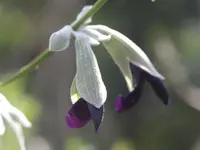
Andean sage, Salvia discolor, is a shrubby perennial herb from the highlands of Peru. It is grown mainly for its contrast of silvery foliage and very dark, almost black flowers. Stems and leaves often have a soft, slightly sticky texture and a faint resinous scent. The plant usually grows with an open, somewhat sprawling habit that benefits from occasional pruning. In gardens and containers it prefers bright light, moderate moisture, and well-drained soil. These traits, along with good heat tolerance but modest cold hardiness, make it moderately easy to care for Andean sage in mild climates or protected spots.

Main Plant Requirements

Care Difficulty

Moderate Care

Light Preference

Full Sun

Water Requirements

Moderate Water

Temperature Preference

Tropical / Frost Sensitive

Hardiness Zone

9–11

Soil Texture

Sandy, Loamy, Organic-rich

Soil pH

Acidic (5.5–6.5), Slightly acidic (6.5–7.0)

Soil Drainage

Well-drained

Fertilization

Light (every 4–6 weeks)

Get Personalized Care Plan

Scan your plant to receive care tips personalized for your specific plant

Available on iOS and Android

How to Care for the Andean sage

This highland sage prefers bright outdoor conditions with gentle sun exposure for best flowering and foliage color.

  • Provide 4–6 hours of direct morning sun with light afternoon shade; intense mid-day sun in hot summers can scorch leaves.
  • Tolerates bright dappled or filtered light, especially in warmer climates; dense shade leads to weak, leggy growth and fewer blooms in Andean sage.
  • In cooler regions, choose a south or west-facing spot with as much sun as possible, adjusting if foliage shows pale patches or crispy edges.

Watering should keep the root zone lightly moist but never saturated, with soil allowed to dry somewhat between waterings.

  • Before watering Salvia discolor, let the top 3–5 cm of soil dry; check by feeling the soil rather than using a fixed schedule.
  • During active growth in spring and summer, water thoroughly so excess drains away; reduce frequency in fall and winter as growth slows.
  • Watch for yellowing, soft leaves or a sour smell as signs of overwatering, and for drooping, thin, or curling leaves plus very dry soil as signs of underwatering.

This species prefers mild conditions and is sensitive to frost and extreme heat.

  • Aim for an optimal growing range of 60–75°F (16–24°C), which supports steady growth and flowering without stressing the foliage.
  • Protect plants when temperatures approach 32°F (0°C); light frost can damage tips, while hard freezes below 25°F (−4°C) may kill top growth or the whole plant.
  • In hot climates with summer highs above 90°F (32°C), give afternoon shade and consistent soil moisture to limit heat stress and leaf scorch.

This species handles typical home humidity but benefits from moderately moist air.

  • Aim for 40–60% humidity, which suits Andean sage without encouraging fungal problems.
  • It tolerates short periods of drier air, but very low humidity plus heat can crisp leaf edges.
  • Brown, curling leaf margins and stalled growth signal humidity stress rather than watering issues.
  • Raise humidity locally with a nearby pebble tray or grouped plants instead of misting foliage.

Salvia discolor prefers airy, fast-draining, moderately fertile soil.

  • Use a loose, sandy or loamy mix, such as 50–60% potting mix with 30–40% perlite or coarse sand and a small amount of compost.
  • Ensure very sharp drainage so water runs through within seconds, preventing root rot in this drought-tolerant species.
  • Aim for slightly acidic to neutral soil, roughly pH 6.0–7.0, to support nutrient uptake without salt buildup.
  • Avoid heavy clay, peat-heavy mixes that stay wet, or compacted soil; add perlite or fine bark to improve aeration and structure.

This species is well suited to container growing outdoors in mild climates.

  • Choose a wide, stable pot so long stems can trail or be supported without the container tipping in wind.
  • Select a slightly deeper pot than a typical bedding plant to give the woody root system space to anchor and resist drying out too fast.
  • Use unglazed terracotta only if you can water consistently, since it speeds evaporation and can stress the plant in hot, dry conditions.

This species benefits from light, consistent feeding during the active growing season.

  • Use a balanced liquid fertilizer (around 10-10-10) at 1/4–1/2 strength every 4–6 weeks from spring to early fall.
  • Alternatively, apply a thin layer of compost or a gentle slow-release fertilizer in spring for Andean sage in containers.
  • Always water before and after feeding to prevent root burn and help nutrients move into the soil.
  • Stop fertilizing in late fall and through winter when growth slows or plants are dormant.

Pruning supports compact growth and sustained flowering in Salvia discolor.

  • Best time for structural pruning is late winter or very early spring before strong new growth starts.
  • Use clean, sharp hand pruners to remove dead, damaged, or crossing stems back to healthy tissue.
  • Lightly shorten leggy shoots by up to 1/3 to encourage bushier growth and more flowering stems.
  • Deadhead spent flower spikes during the season to keep plants tidy and promote further bloom.

Container-grown plants benefit from occasional repotting or transplanting to maintain healthy roots.

  • Check for roots circling the pot, pushing through drainage holes, or reduced vigor as signs a plant needs more space.
  • Plan to repot every 2–3 years in spring, moving up only 2–5 cm in pot diameter with free-draining soil.
  • Gently loosen circling roots and trim any dead sections, keeping as much healthy root mass intact as possible.
  • Water thoroughly after repotting and keep the plant shaded and sheltered for 3–7 days to limit transplant stress.

New plants are most reliably produced from softwood or semi-ripe stem cuttings.

  • Take non-flowering 7–10 cm cuttings in late spring or summer from healthy Salvia discolor shoots.
  • Remove lower leaves, optionally dip the base in rooting hormone, and insert into a moist, free-draining mix.
  • Maintain bright, indirect light, 65–75°F temperatures, and high humidity until roots form in 2–4 weeks.
  • Seed can be sown in warm, sterile mix, but cultivars may not come true, so cuttings are usually preferred.

This plant is tender where winters are cold and benefits from targeted protection in frosty climates.

  • In regions colder than about USDA zone 9, grow in containers and move indoors before nights drop below 40°F.
  • Provide bright, cool indoor conditions and reduce watering while growth slows in winter.
  • In mild climates, mulch 5–8 cm around the root zone to buffer temperature swings and conserve moisture.
  • Avoid heavy pruning just before severe cold; leave some top growth to shield lower buds and stems.

Care Tips

Encourage Bushier Growth

Pinch out the soft tips of young shoots when they are 10–15 cm long to promote branching and create a denser plant that produces more flowering stems over the season.

Support Long Stems

Install a low ring stake or discrete canes early in the season and loosely tie the longest stems, which keeps the arching growth off wet soil and reduces stem breakage in wind or heavy rain.

Enhance Airflow Around

Space plants so that mature stems do not touch and thin out a few inner shoots each spring, which improves airflow, reduces fungal problems, and keeps the foliage cleaner and longer-lived.

Seasonal Container Shifting

If grown in a pot, shift the container to a more sheltered, bright position in late autumn to protect it from cold snaps and prolonged saturation while still providing enough light for continued growth.

Strategic Cuttings Backup

Take several softwood cuttings from non-flowering shoots in late summer and root them in a small propagator or covered tray, so there is a backup plant in case winter damage affects the parent when growing Andean sage.

Common Pests and Diseases

Aphids

These insects cluster on soft new growth, sucking sap and causing curled, distorted shoots and sticky honeydew on leaves and stems.

Solution

Rinse shoots thoroughly with a strong but controlled stream of water, then spot-treat remaining colonies with insecticidal soap or a ready-to-use neem oil spray, repeating every 5–7 days until populations drop. Encourage lady beetles and hoverflies outdoors by avoiding broad-spectrum insecticides and by maintaining flowering companion plants nearby when growing Andean sage.

Spider mites

These pests thrive in warm, dry conditions and cause fine stippling, dulling, and eventual bronzing of the velvety leaves, often with very fine webbing between nodes.

Solution

Increase humidity around the plant, then wash foliage on both sides with lukewarm water or a mild insecticidal soap solution, making sure to reach the undersides of leaves. For persistent infestations, repeat washing every 3–4 days for 2 weeks and improve air movement around the plant to make conditions less favorable for mites.

Botrytis blight

This disease develops in cool, humid, low-airflow conditions and causes soft, water-soaked spots on leaves, stems, and flower spikes that quickly turn brown and may show gray fuzzy mold.

Solution

Remove and discard all affected plant parts, then improve spacing and airflow, avoiding overhead watering and wetting of the foliage. In prolonged wet weather, use a copper-based or other labeled botrytis fungicide as a preventive on healthy tissue, especially around dense flowering stems.

Powdery mildew

This disease appears as a white to gray powdery coating on leaves and stems, which can lead to yellowing and premature leaf drop if conditions stay humid and stagnant.

Solution

Prune to open up the plant for better airflow and avoid overcrowding with nearby plants, then treat affected foliage with a labeled sulfur, potassium bicarbonate, or neem-based fungicide. Reduce shade and keep watering at the soil level instead of on foliage to lower humidity around the leaves.

Whiteflies

These insects congregate on the undersides of leaves, flying up in a small cloud when disturbed and leaving sticky honeydew that can attract sooty mold growth.

Solution

Use yellow sticky traps to monitor and reduce adult populations, and regularly spray the undersides of leaves with insecticidal soap or horticultural oil, ensuring full coverage. Repeat treatments weekly until numbers drop, and consider removing heavily infested, weak stems to reduce breeding sites and support effective Salvia discolor care.

Interesting Facts

Velvety bicolor foliage

The leaves have a soft, velvety surface with a striking contrast between the silvery–green upper side and a much paler, almost whitish underside, an adaptation that likely reflects strong Andean sunlight and reduces water loss.

Deeply pigmented flowers

Its tubular flowers are an unusually dark, almost black violet, a rare floral color produced by very high concentrations of anthocyanin pigments that strongly absorb light and may enhance visibility to specific pollinators.

Native Andean origins

This species is native to highland regions of Peru, where it grows in relatively cool, bright, seasonally dry habitats, which helps explain its preference for good air movement and well-drained soils in cultivation.

Botan icon

Did you know?

The flower buds and calyces of this species are coated with sticky, glandular hairs that secrete aromatic compounds, which are thought to deter small herbivores and insects while also contributing to the plant’s distinctive scent when handled.

FAQs about Andean sage

Lack of flowers usually comes from insufficient light, too much nitrogen fertilizer, or hard pruning at the wrong time. Age also matters; young plants may need a season or two before reliable flowering.

Grow Healthy Plants with Botan Care

Keep your plants happy and healthy with plant identification, disease detection, and easy care guidance.

Botan plant care app — identify plants on mobile

Explore More Plants