Panicled Spot Flower Care (Acmella paniculata)

Panicled Spot Flower

About Panicled Spot Flower

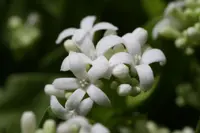
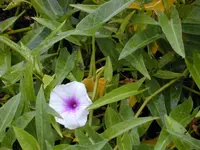
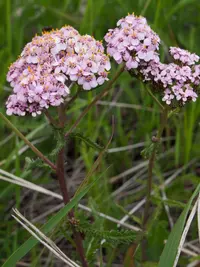
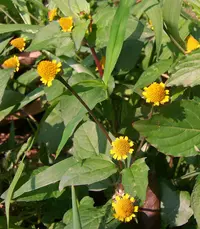
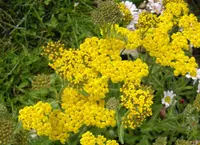
Panicled spot flower (Acmella paniculata) is a small, short-lived herb from tropical and subtropical regions of Asia and beyond. It is often grown as an annual in warm climates. The plant forms branched, upright stems with many small, rounded flower heads held in loose clusters, giving it a fine, airy look in beds and borders. Leaves are simple, green, and lightly toothed, creating a modest backdrop for the dotted flower heads. It adapts well to garden soil that drains freely and favors consistent moisture and good light. Gardeners usually find it straightforward to care for Panicled Spot Flower when temperatures stay warm and the soil does not stay waterlogged.

Main Plant Requirements

Care Difficulty

Moderate Care

Light Preference

Full Sun

Water Requirements

Regular Water

Temperature Preference

Tropical / Frost Sensitive

Hardiness Zone

10–12

Soil Texture

Sandy, Loamy, Organic-rich

Soil pH

Acidic (5.5–6.5), Slightly acidic (6.5–7.0)

Soil Drainage

Moist but well-drained

Fertilization

Light (every 4–6 weeks)

Get Personalized Care Plan

Scan your plant to receive care tips personalized for your specific plant

Available on iOS and Android

How to Care for the Panicled Spot Flower

This sun-loving annual performs best in bright, warm conditions similar to its tropical origins.

  • Provide 6–8 hours of direct sun daily, with morning sun and light afternoon shade ideal for Panicled Spot Flower in hotter regions.
  • Tolerates light partial shade (3–4 hours sun), but flowering and compact growth decline if light drops below this for many days.
  • In very hot summers, protect from harsh afternoon sun with filtered light or shade cloth to reduce leaf scorch and excessive wilting.

This species prefers steadily moist but not waterlogged soil throughout the growing season.

  • Water when the top 2–3 cm of soil feel dry, soaking the root zone thoroughly, then let excess drain away to avoid root rot.
  • Use well-drained soil with added coarse sand or fine grit; consistently soggy or compacted soil causes yellowing leaves and stem collapse in Acmella paniculata.
  • In peak summer growth, expect more frequent watering, while in cooler or rainy periods extend intervals and monitor leaf turgor and soil moisture instead of fixed schedules.

This warm-season plant thrives in stable, frost-free conditions.

  • Optimal growth occurs at 70–85°F (21–29°C), where flowering and vegetative growth are most vigorous.
  • Tolerates short spikes up to about 95°F (35°C) if soil moisture is maintained, but prolonged extreme heat with dry soil leads to stress and reduced flowering.
  • Minimum safe temperature is around 50°F (10°C); frost below 32°F (0°C) kills top growth, so treat it as a warm-season annual in cooler climates.

This species grows well in moderate household humidity but benefits from slightly moist air in heated homes.

  • Aim for 40–60% humidity to reduce leaf edge browning on Panicled Spot Flower in dry rooms.
  • Tolerates short dry spells, but prolonged air below 35% can cause limp foliage and slower growth.
  • Increase humidity by grouping pots, placing containers on pebble trays with water, or running a nearby humidifier rather than misting frequently.

Acmella paniculata prefers loose, well-drained, organic-rich soil that stays evenly moist but not waterlogged.

  • Use a loamy or sandy-loam mix with 40–60% compost plus mineral material such as coarse sand or perlite for structure.
  • Ensure rapid drainage; water should drain from the pot within seconds, not pool on the surface or in saucers.
  • Slightly acidic to neutral pH around 6.0–7.0 supports nutrient uptake and stable growth for this species.
  • Improve aeration by blending in chunky materials like fine bark or rice hulls and avoid heavy, clay-based garden soil that compacts.

This species is well suited to container growing for patios, balconies, and small gardens.

  • Choose a broad, medium-depth pot that allows lateral root spread to support its bushy, low-growing habit.
  • Select a relatively heavy or wide-based container outdoors so the plant mass does not tip in wind or heavy rain.
  • Use pots with large, unobstructed drainage holes and keep the container slightly elevated so runoff does not reabsorb into the root zone.

Acmella paniculata responds well to light, balanced feeding during its active growing season.

  • Use a balanced liquid fertilizer (such as 10-10-10) at 1/2 strength every 3–4 weeks in spring and summer.
  • Alternatively, mix a small amount of slow-release balanced granules into the topsoil at the start of the season.
  • In richer garden soil, focus on thin compost top-dressings instead of frequent synthetic feedings.
  • Stop fertilizing or reduce to very weak monthly feed in fall and winter, especially for Panicled Spot Flower in containers.

Pruning Acmella paniculata helps maintain compact growth and steady flowering.

  • Use clean, sharp scissors or hand pruners to avoid tearing the soft stems.
  • In spring and through summer, pinch or cut back spent flower stalks to encourage new blooms and branching.
  • Remove any dead, damaged, or crossing stems whenever noticed to keep airflow good and reduce disease risk.
  • Lightly shape the plant by trimming longer shoots back to a leaf node, avoiding removal of more than 1/3 of growth at once.

This species is often treated as a short-lived bedding or herb plant, so transplanting timing is more important than frequent repotting.

  • Transplant outdoors after frost risk has passed, once seedlings have several true leaves and roots hold the soil lightly.
  • Check containers for roots circling the pot or emerging from drainage holes, plus slowed growth, as signs repotting is needed.
  • When shifting to a larger pot or garden bed, move up only 1–2 in in diameter and use free-draining, fertile soil.
  • Water thoroughly after moving, keep out of strong sun for 2–3 days, and maintain even moisture to limit transplant shock.

Acmella paniculata is most commonly multiplied from seed, which allows quick production of many plants.

  • Sow fresh seeds indoors in late winter to early spring, 6–8 weeks before the last frost date.
  • Press seeds onto the surface of moist seed mix, as they need light to germinate, and keep at 70–75°F.
  • Maintain constant, light moisture and good airflow; seedlings usually appear in 7–14 days.
  • In warm climates, surface-sow outdoors after soil has warmed, thinning seedlings to avoid crowding and weak growth.

This warmth-loving species is frost sensitive and usually behaves as an annual in cold climates.

  • In regions with frost, expect above-ground growth to die back when temperatures drop near freezing.
  • Use a light mulch layer around garden plants in late fall to buffer sudden soil temperature changes.
  • Move container plants indoors before temperatures fall below 40°F, placing them in bright, cool conditions with reduced watering.

Care Tips

Pinch For Bushiness

Pinch out the soft shoot tips when plants are 8–12 in tall to encourage dense branching and more flower clusters rather than tall, weak stems.

Staggered Succession Sowing

Sow small batches every 3–4 weeks in warm weather so flowering continues steadily and older, woody plants can be removed as fresher, more productive ones come into bloom.

Targeted Flower Harvest

Harvest flower heads regularly as soon as they are fully colored but before they set seed, which maintains continuous blooming and prevents the plant from exhausting itself.

Support In Windy Sites

In exposed beds, insert low hoops or a simple string corral around the clump early in the season so stems have support before they lean or lodge in wind and rain.

Monitor Self-Seeding

Allow only a few spent flowers to mature and drop seed if you want natural volunteers, and remove unwanted seedlings when small to keep pathways and neighboring crops clear while growing Panicled Spot Flower.

Common Pests and Diseases

Leaf spot

This disease causes small water-soaked spots that turn brown and may merge, leading to larger dead patches on leaves. Symptoms include yellowing around the spots and premature leaf drop in humid, crowded conditions.

Solution

Remove and discard affected leaves, avoid overhead watering, and space plants to improve airflow. For recurring problems, apply a copper- or chlorothalonil-based fungicide according to label directions and keep foliage as dry as possible.

Aphids

These insects cluster on tender shoots and flower stalks, sucking sap and causing curling, distortion, and sticky honeydew on leaves. This pest can slow growth and attract sooty mold on the sugary residue.

Solution

Spray plants with a strong stream of water to dislodge colonies, then use insecticidal soap or a light horticultural oil, coating undersides of leaves and stems. Encourage natural predators like lady beetles and avoid high nitrogen fertilization that stimulates overly soft new growth.

Spider mites

This pest thrives in hot, dry conditions and feeds on leaf undersides, causing tiny pale speckles and a dull, stippled appearance. Symptoms include fine webbing between leaves and stems when populations are high.

Solution

Increase humidity around the plants and rinse foliage thoroughly, especially the undersides of leaves. If needed, apply insecticidal soap or a miticide labeled for spider mites, repeating applications to catch newly hatched individuals.

Powdery mildew

This disease appears as white, powdery patches on upper leaf surfaces, stems, and sometimes flower heads. Symptoms include distorted new growth and reduced vigor, especially when days are warm and nights are cool with moderate humidity.

Solution

Remove heavily affected leaves and improve air circulation by thinning crowded plants. Avoid overhead watering late in the day and, if the problem persists, use a sulfur or potassium bicarbonate fungicide labeled for powdery mildew, following the timing and dosage on the label.

Leaf miners

These insects are fly larvae that tunnel inside the leaf tissue, creating pale, winding trails across the blades. Symptoms include cosmetic damage and, in heavy infestations, reduced photosynthesis and weakened plants.

Solution

Promptly remove and discard leaves showing fresh mines to reduce larval numbers. For ongoing issues, use yellow sticky traps to monitor adult flies and apply a systemic insecticide or spinosad-based product targeted at larvae, focusing on young foliage where mines first appear.

Interesting Facts

Widely distributed weed

This annual herb occurs across tropical Asia and has naturalized in parts of Africa and the Neotropics, where it is often found as a low, weedy pioneer species in disturbed soils such as roadsides, field margins, and wasteland.

Tiny clustered flower heads

Its inflorescences are small, paniculate clusters of many minute disc florets, which give the species its name and provide a steady, modest nectar source for small pollinating insects in open habitats.

Traditional tooth remedy

Across several Asian regions, flower heads and leaves have been traditionally chewed to relieve tooth discomfort, a use that has prompted phytochemical studies on its tingling, numbing effect, although it is less studied than the related Acmella oleracea.

FAQs about Panicled Spot Flower

Poor flowering usually comes from insufficient light, nutrient-poor soil, or lack of deadheading. Ensure regular feeding with a balanced fertilizer, avoid heavy shade, and remove spent flower heads so the plant can direct energy to new blooms.

Grow Healthy Plants with Botan Care

Keep your plants happy and healthy with plant identification, disease detection, and easy care guidance.

Botan plant care app — identify plants on mobile

Explore More Plants