alpine sweetvetch Care (Hedysarum alpinum)

alpine sweetvetch

About alpine sweetvetch

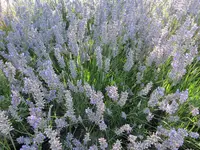
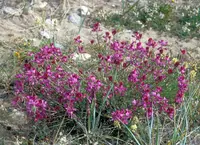
Alpine sweetvetch (Hedysarum alpinum) is a cold-hardy perennial legume native to Arctic and subarctic regions of North America. It typically grows in open meadows, riverbanks, and tundra slopes. The plant forms low clumps with upright stems, compound leaves, and clusters of pink to purplish pea-like flowers, followed by flat, segmented seed pods. As a nitrogen fixer, it improves soil fertility, which can make it easier to establish in poor, rocky ground. It prefers cool conditions, full sun, and well-drained soils that do not stay waterlogged. Understanding how to care for alpine sweetvetch starts with providing a stable, cool environment and avoiding overly rich, wet substrates.

Main Plant Requirements

Care Difficulty

Moderate Care

Light Preference

Full Sun

Water Requirements

Moderate Water

Temperature Preference

Cold Hardy

Hardiness Zone

2–6

Soil Texture

Sandy, Loamy, Rocky

Soil pH

Slightly acidic (6.5–7.0), Neutral (7.0)

Soil Drainage

Well-drained

Fertilization

Minimal (feed rarely)

Get Personalized Care Plan

Scan your plant to receive care tips personalized for your specific plant

Available on iOS and Android

How to Care for the alpine sweetvetch

This cold-climate perennial prefers bright, cool conditions that mimic open alpine meadows.

  • Provide 6–8 hours of direct sun in cool regions; in hotter areas, aim for full morning sun with light afternoon shade to prevent leaf scorch.
  • Allow light, dappled shade in the hottest part of the day, especially on south- or west-facing slopes where reflected heat can intensify sunlight.
  • If stems of alpine sweetvetch elongate and flowering decreases, light is likely too low; move or prune nearby plants to increase sun exposure.

This species prefers free-draining soil and moderate moisture, tolerating short dry spells once established.

  • Water when the top 3–5 cm of soil feels dry, then soak thoroughly so water penetrates the root zone without leaving the area boggy.
  • Use gritty, well-drained soil or a sloped site to prevent standing water; persistent wetness around the crown increases root-rot risk in Hedysarum alpinum.
  • In spring and early summer, monitor more often during rapid growth; in late summer and fall, reduce frequency and watch for wilted, dull leaves as a sign the plant needs water.

This hardy legume is adapted to cool, short-season climates but still benefits from stable temperature ranges.

  • Active growth occurs best around 50–68°F (10–20°C), typical of cool spring and early summer conditions in higher latitudes and elevations.
  • Mature plants tolerate lows near -40°F (-40°C) under snow cover, but emerging spring shoots are more vulnerable and can be damaged by late hard frosts.
  • Heat tolerance is limited; sustained temperatures above 80–86°F (27–30°C) can slow growth, so use light afternoon shade and mulch to keep roots cooler in hot spells.

This species is adapted to cool, dry to moderately moist air and rarely needs special humidity management.

Hedysarum alpinum prefers light, fast-draining mineral soils that do not stay wet after rain or watering.

  • Use a sandy or gravelly loam with 30–50% coarse sand or grit to keep pore spaces open.
  • Aim for slightly acidic to neutral pH around 6.0–7.2, avoiding strongly acidic or alkaline substrates.
  • Incorporate a modest amount of well-rotted compost, but avoid heavy, peat-rich mixes that hold water too long.
  • Raise beds or plant on a slight mound if native soil is compacted, to improve aeration and surface runoff.

This species can be grown in containers if the pot is set up to mimic its naturally free-draining, cool-root conditions.

  • Choose a deep, heavy container that prevents tipping when stems elongate and reduces rapid drying of the root zone.
  • Fill the pot with a very gritty mix and keep a distinct top layer of coarse gravel to limit surface evaporation and crown rot.
  • Elevate the container slightly on pot feet or bricks so drainage holes stay clear and runoff water leaves the root zone quickly.

Hedysarum alpinum grows naturally in low-nutrient soils and usually needs minimal feeding in gardens.

  • If growth is weak on poor soils, apply a light dressing of compost or well-rotted manure in early spring.
  • Use a dilute balanced NPK fertilizer at 1/2 strength once at the start of the growing season if foliage looks pale.
  • Avoid frequent or heavy feeding, as this nitrogen-fixer can become leggy and less flowering on rich soils.
  • Do not fertilize in late fall or winter, when the plant is dormant and nutrient uptake is low.

Pruning Hedysarum alpinum is mainly corrective, aimed at maintaining plant health and a tidy shape.

  • Carry out light pruning in late winter or early spring before new growth starts.
  • Remove dead, damaged, or diseased stems with clean, sharp hand pruners to reduce disease risk.
  • Thin crowded or crossing shoots near the base to improve air flow and maintain a loose, natural form.
  • Deadhead spent flower stalks after blooming to reduce self-seeding and direct energy to root and shoot vigor.

This species is more often grown in the ground, so focus on careful transplanting rather than frequent repotting.

  • Transplant outdoor Hedysarum alpinum in early spring or early fall, when temperatures are mild and soil moisture is steady.
  • Move plants only when necessary, such as crowding, poor drainage, or declining vigor despite good care.
  • Dig a wide hole, disturb the root ball as little as possible, and replant at the same depth in well-drained soil.
  • Water thoroughly after transplanting, then keep soil evenly moist but not waterlogged for several weeks to limit root stress.

Propagation of Hedysarum alpinum is most reliable from seed under cool, well-drained conditions.

  • Sow fresh seeds in late fall outdoors or in early spring after a short cold stratification (chilling) period.
  • Scarify hard seed coats lightly with sandpaper or a brief hot-water soak to improve germination rates.
  • Use a gritty, free-draining mix, keep it just moist, and provide bright light with cool temperatures.
  • Once seedlings form several true leaves, harden them off gradually before planting into a permanent site.

This is a cold-hardy alpine legume that usually needs little winter attention in the ground.

  • Established plants tolerate freezing and snow in most temperate climates without additional covering.
  • Apply a light mulch layer (2–5 cm) around the root zone in late fall in exposed or windy sites.
  • Container-grown plants are more vulnerable; place pots in a sheltered, unheated but frost-free area if winters are severe.

Care Tips

Root inoculation

Before planting, dust the roots with a legume-specific Rhizobium inoculant to improve nitrogen fixation and help the plant establish better in poor, rocky soils.

Early-season staking

Install low, unobtrusive stakes or a small ring support around young plants in windy or exposed sites so stems do not snap when flower stalks elongate and become top-heavy.

Seed scarification

Lightly nick the seed coat with a file or briefly soak seeds in warm water for 12–24 hours before sowing to improve germination rates and achieve a more even stand.

Targeted deadheading

Remove most spent flower spikes promptly to extend blooming, but leave a few healthy seed heads on robust plants if you want to collect seed or encourage limited natural reseeding when growing alpine sweetvetch.

Winter crown protection

In marginally cold or freeze-thaw prone areas, apply a thin, gritty mulch (such as crushed stone or coarse sand) around the crown in late fall to protect roots while preventing excess moisture around the base.

Common Pests and Diseases

Seed weevils

This pest targets developing seeds, with larvae feeding inside pods and reducing viable seed production. Symptoms include shriveled seed, small exit holes in pods, and lower natural reseeding in wild or restoration plantings.

Solution

Collect and destroy heavily infested seed pods, and time seed harvest slightly earlier to reduce the period larvae spend in pods. In larger stands, encourage natural predators by maintaining plant diversity nearby and avoid broad-spectrum insecticides that disrupt beneficial insects important for Hedysarum alpinum care.

Leaf spot

This disease causes small brown to dark purplish spots on foliage that may merge into larger blotches under cool, wet conditions. Symptoms include premature yellowing and early leaf drop on lower, denser growth.

Solution

Remove and discard affected leaves and any heavily infected stems to reduce inoculum, and avoid overhead watering that keeps foliage wet for long periods. Improve spacing and airflow around plants, and in persistent cases use a labeled foliar fungicide during prolonged wet weather, following local guidelines.

Powdery mildew

This disease appears as white, powdery patches on upper leaf surfaces and sometimes on stems, usually in late season or under cool, humid, shaded conditions. Symptoms include reduced vigor and distorted new growth if coverage becomes heavy.

Solution

Increase light and airflow by reducing crowding from nearby vegetation and avoid frequent light overhead watering that raises humidity around foliage. Remove the worst affected shoots and, where needed, apply a sulfur or potassium bicarbonate-based fungicide according to label directions, especially in areas with a history of powdery mildew on legumes.

Aphids

These insects cluster on young stems, undersides of leaves, and flower stalks, sucking sap and excreting sticky honeydew that can attract sooty mold. Symptoms include curled new growth, reduced vigor, and increased ant activity around plants.

Solution

Dislodge colonies with a strong stream of water and, for small plantings, pinch off heavily infested shoot tips. Encourage lady beetles and other natural predators by avoiding broad-spectrum insecticides, and if needed use insecticidal soap or a light horticultural oil, applied thoroughly to cover the undersides of leaves and stems.

Interesting Facts

Arctic nitrogen fixer

This species forms root nodules with nitrogen-fixing bacteria, allowing it to enrich poor, cold soils and act as a pioneer plant in disturbed subarctic habitats.

Key foraging plant

In Alaska and northern Canada, moose, caribou, and small mammals selectively browse the foliage and stems, making it an important forage species in tundra and boreal ecosystems.

Toxicity in seed pods

Historical reports from Alaska, including the well-known 1992 McCandless case, show that misidentification and possible toxicity associated with the seeds or seed pods have been suspected to contribute to poisoning, which has led to scientific and public attention on this plant.

Botan icon

Did you know?

This plant can persist and flower in environments with very short growing seasons, sometimes completing most of its shoot and root growth within just a few weeks of summer in high-latitude tundra regions.

FAQs about alpine sweetvetch

The flowers are highly attractive to many native bees and some butterflies. It offers both nectar and pollen, so it functions as a useful pollinator plant in wildflower meadows, restoration projects, and cold-climate wildlife gardens.

Grow Healthy Plants with Botan Care

Keep your plants happy and healthy with plant identification, disease detection, and easy care guidance.

Botan plant care app — identify plants on mobile

Explore More Plants