


Encourage Compact Growth
Pinch back soft shoot tips every 3–4 weeks during active growth to keep the plant dense, prevent leggy stems, and promote more flowering sites.

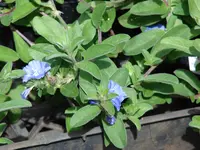
Brazilian dwarf morning-glory, Evolvulus glomeratus, is a low-growing perennial often used as a flowering groundcover or trailing plant in containers and hanging baskets. It forms dense mounds or cascading stems covered with many small blue funnel-shaped flowers and narrow gray-green leaves.
This species comes from warm, open habitats in Brazil and other parts of South America, where it enjoys sun and well-drained soils. It is valued for long blooming periods and a compact habit, but needs consistent warmth and light to perform well.
Gardeners who learn how to care for Brazilian dwarf morning-glory usually find it manageable, provided it is protected from cold, soggy soil, and deep shade.

Care Difficulty
Moderate Care

Light Preference
Full Sun

Water Requirements
Moderate Water

Temperature Preference
Tropical / Frost Sensitive

Hardiness Zone
8–11

Soil Texture
Sandy, Loamy, Organic-rich

Soil pH
Acidic (5.5–6.5), Slightly acidic (6.5–7.0)

Soil Drainage
Well-drained

Fertilization
Light (every 4–6 weeks)
Scan your plant to receive care tips personalized for your specific plant
Available on iOS and Android
This sun-loving groundcover blooms best with strong, consistent light exposure.
This plant prefers evenly moist but not saturated soil with brief dry periods between waterings.
This warm-season perennial performs best in mild to hot conditions without frost exposure.
This plant prefers relatively dry air and usually does not need special humidity management indoors or outdoors.
This species prefers light, sharply drained, sandy to loamy soil that never stays waterlogged.
This plant is well suited to container growing on sunny patios, balconies, or as a trailing subject in mixed pots.
Evolvulus glomeratus benefits from light, consistent feeding during the warm growing season to maintain compact growth and flowering.
Pruning helps Evolvulus glomeratus stay dense, low, and floriferous rather than straggly.
This species dislikes heavy disturbance, so repot or transplant Evolvulus glomeratus only when clearly necessary.
Propagation of Evolvulus glomeratus is most reliable from softwood cuttings taken in warm months.
Evolvulus glomeratus is frost sensitive and needs protection or replacement in regions with cold winters.

Plant Health Check
Not sure what's wrong with your plant? Check your plant's health inside the app.
The intense blue color of its flowers is due to anthocyanin pigments stabilized by slightly alkaline cell sap, which helps the corolla keep a clear, non-purple blue under strong sun in its native Brazilian habitats.
In its native range, this species naturally forms low, mounding mats in open, sun-exposed areas, showing high tolerance to heat and light levels that cause leaf scorch in many other ornamental species.
Individual plants are relatively short-lived perennials but compensate with a long blooming season, often producing new flowers almost continuously under suitable warm, bright conditions.

In some subtropical regions, this species is used in coastal landscaping because its low, dense habit and small, somewhat hairy leaves help reduce moisture loss and allow it to withstand reflected heat from pavements and walls better than many other small flowering ornamentals.
Lack of flowers usually comes from insufficient light, depleted nutrients, or old, woody stems. Provide stronger light, feed lightly during the growing season, and trim back leggy growth to stimulate new flowering shoots and buds.
Keep your plants happy and healthy with plant identification, disease detection, and easy care guidance.


Purple Sword
Alocasia lauterbachiana
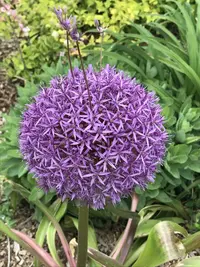
Giant Allium
Allium giganteum 'Globemaster'
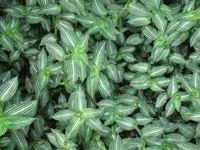
Callisia gentlei
Callisia gentlei
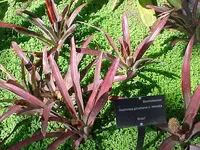
Aechmea pineliana
Aechmea pineliana
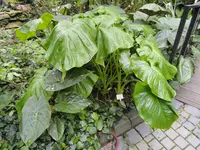
Xanthosoma mexicanum
Xanthosoma mexicanum
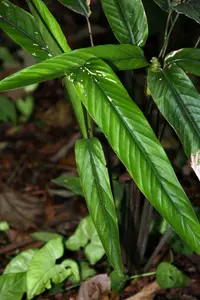
Calathea lasiostachya
Calathea lasiostachya
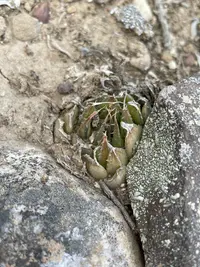
Haworthia arachnoidea var. nigricans
Haworthia arachnoidea var. nigricans
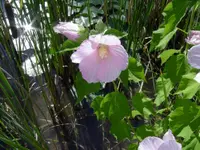
Swamp Rose-mallow
Hibiscus moscheutos