Xanthosoma mexicanum Care

Xanthosoma mexicanum

About Xanthosoma mexicanum

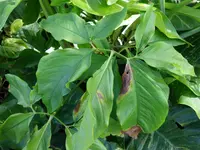
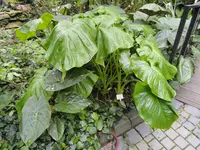
Xanthosoma mexicanum is a tropical aroid grown mainly for its bold, arrow-shaped leaves and strong, upright clumping habit. It is often used as a foliage feature indoors or in warm outdoor shade plantings.

In nature it occurs in humid, shaded forests of Mexico and nearby regions, where it grows in rich, moist soil with good drainage. Its fast growth, preference for steady warmth, and need for regular moisture make it moderately easy if conditions are stable.

Those who learn how to care for Xanthosoma mexicanum usually focus on providing bright, indirect light, evenly moist substrate, and protection from cold drafts and prolonged dryness.

Main Plant Requirements

Care Difficulty

Moderate Care

Light Preference

Bright Indirect Light

Water Requirements

Keep Soil Moist

Temperature Preference

Tropical / Frost Sensitive

Hardiness Zone

10–12

Soil Texture

Loamy, Peaty, Organic-rich

Soil pH

Acidic (5.5–6.5), Slightly acidic (6.5–7.0)

Soil Drainage

Moist but well-drained

Fertilization

Moderate (every 2–4 weeks)

Get Personalized Care Plan

Scan your plant to receive care tips personalized for your specific plant

Available on iOS and Android

How to Care for the Xanthosoma mexicanum

This aroid prefers bright, indirect light that mimics a forest understory.

  • Provide 6–8 hours of bright, filtered light daily; morning sun with afternoon shade suits Xanthosoma mexicanum well outdoors.
  • Allow dappled shade or light shade, especially in hot climates, to prevent leaf scorch and pale, bleached patches from intense midday sun.
  • Watch leaf color and posture: stretching, smaller new leaves, or leaning toward windows indicates insufficient light; move slightly closer to the light source, avoiding direct harsh rays.

This plant prefers evenly moist soil but reacts quickly to extremes.

  • Water when the top 2–4 cm of soil feels dry; aim for consistently damp, not soggy, conditions for healthy Xanthosoma mexicanum roots.
  • Use well-draining soil and, if potted, a container with drainage holes to prevent standing water, yellowing leaves, and mushy, foul-smelling roots from rot.
  • Reduce watering in cooler months when growth slows; drooping, thin leaves and dry, shrinking stems suggest underwatering, while limp leaves with dark, soft bases suggest overwatering.

This tropical species thrives in warm, stable conditions without cold drafts.

  • Aim for 70–85°F (21–29°C) for strong growth; short exposures up to 90°F (32°C) are tolerated if humidity and soil moisture are adequate.
  • Protect from temperatures below 55°F (13°C); growth slows under 60°F (16°C) and cold damage appears as dark, water-soaked patches on leaves and petioles.
  • Never expose the plant to frost; bring containers indoors or provide protection when night lows approach 40°F (4°C), and avoid placing it near air conditioners or heater blasts.

This species prefers consistently high humidity to maintain healthy foliage.

  • Aim for 60–80% humidity; prolonged levels below 40% often cause leaf-edge browning.
  • Crisp margins, curling leaves, and stalled growth usually signal air that is too dry.
  • Increase humidity with grouped plants, a room humidifier, or a wide pebble tray kept with water below the pot base.

Use a loose, organic-rich, fast-draining mix that stays lightly moist but never waterlogged.

  • Combine roughly 50% peat or coco coir, 30% composted material, and 20% perlite or fine bark for structure and air spaces.
  • Aim for slightly acidic to neutral pH, around 6.0–7.0, which supports nutrient availability for Xanthosoma mexicanum.
  • Ensure water drains freely through the entire profile; avoid mixes heavy in clay or fine sand that compact and hold stagnant moisture.
  • Improve aeration by increasing chunky amendments like bark or pumice if the mix feels dense or dries unevenly.

This species adapts well to container growing when the pot supports its vigorous root and leaf growth.

  • Choose a stable, relatively wide pot to counterbalance tall, outward-arching leaves that can make the plant top-heavy.
  • Select slightly deeper containers to provide room for strong, fleshy roots without forcing them to coil tightly.
  • Use heavier materials like ceramic or clay when growing outdoors to reduce tipping risk in wind or when the soil is moist.

This plant responds well to consistent, moderate feeding during the active growing season.

  • Use a balanced liquid fertilizer (such as 10-10-10 or 20-20-20) at 1/2 strength every 4–6 weeks in spring and summer.
  • For container-grown Xanthosoma mexicanum, a slow-release fertilizer in early spring can provide steady nutrients.
  • Supplement with a thin layer of well-rotted compost on top of the soil, keeping it away from the stem.
  • Reduce feeding to 1 light application or none at all in fall and winter, when growth slows.

Pruning is light and mostly maintenance-focused for this foliage plant.

  • In late winter or early spring, remove dead, yellowing, or damaged leaves at the base with clean, sharp scissors or pruners.
  • Cut back any crowded or crossing petioles to improve air flow and light penetration around the plant.
  • Trim selectively to maintain a balanced, upright shape without removing too much healthy foliage at once.
  • Inspect Xanthosoma mexicanum during routine watering and remove spent leaves promptly to limit disease and pest issues.

Container-grown plants benefit from occasional repotting to support ongoing root and leaf growth.

  • Check for roots circling the pot, growing through drainage holes, or a plant that dries out very fast, which indicates the need to move up 1 pot size.
  • Repot in spring every 1–2 years, using a well-draining, chunky mix such as peat or coco coir with perlite and bark.
  • Gently tease apart circling roots and trim only damaged sections to limit shock, then water thoroughly after repotting.
  • Keep the plant in bright, indirect light and slightly higher humidity for 1–2 weeks to help Xanthosoma mexicanum recover from root disturbance.

Division of underground tubers or clumps is the most reliable method for increasing plants.

  • Divide healthy clumps in warm spring, when new growth starts and the plant is actively growing.
  • Lift the root ball, separate tubers or offsets, and ensure each division has at least 1 growing point and some roots.
  • Plant divisions in a loose, moist, well-draining mix and keep at 70–80°F in bright, indirect light.
  • Maintain evenly moist soil and high humidity to support rooting and establishment of new Xanthosoma mexicanum plants.

This tropical species is sensitive to frost and needs protection in regions with cold winters.

  • In USDA zones below 10, grow Xanthosoma mexicanum in containers and move indoors before temperatures drop below 50°F.
  • Indoors, provide bright, indirect light and keep temperatures around 65–75°F with humidity above 50%.
  • If planted outdoors in mild climates, apply a 5–8 cm mulch layer over the root zone to insulate tubers.
  • Reduce watering in winter so the soil stays slightly moist but never waterlogged, which can cause rot in cool conditions.

Care Tips

Rotate For Symmetry

Turn the pot 90° every 2–3 weeks so new leaves orient evenly and the plant does not lean or twist toward the light source over time.

Support Heavy Petioles

Use low, discreet stakes or a circular support ring to hold up heavy petioles and prevent tearing at the crown, especially as leaves enlarge and become top‑heavy.

Warm Root Zone

Place the container on an insulating pad or wooden slat grid to keep the root zone slightly warmer than room air during cooler months, which helps maintain active growth.

Prevent Salt Buildup

Every 4–6 weeks, flush the pot thoroughly with lukewarm water until it runs freely from the drainage holes to reduce fertilizer salt accumulation that can burn tender roots.

Routine Pest Scouting

Inspect the undersides of leaves and along petioles weekly with a flashlight or magnifier so early signs of spider mites, thrips, or scale are caught quickly when caring for Xanthosoma mexicanum.

Common Pests and Diseases

Spider mites

This pest thrives in warm, dry indoor air and feeds on the undersides of leaves, causing stippling, dull foliage, and fine webbing between veins and petioles.

Solution

Increase humidity around the plant, then hose or shower the foliage thoroughly to remove mites and webs; follow with 2–3 weekly treatments of neem oil or insecticidal soap, making sure to coat the undersides of the leaves and any crowded leaf bases. Regularly inspect new growth, since caring for Xanthosoma mexicanum in stable humidity and out of hot, dry drafts greatly reduces mite pressure.

Mealybugs

These insects hide in leaf axils and along midribs, appearing as white cottony clusters and causing distorted growth and sticky honeydew on leaves or nearby surfaces.

Solution

Physically remove visible mealybugs with a cotton swab dipped in 70% isopropyl alcohol, then wash the plant with lukewarm water and a mild insecticidal soap. Repeat inspections weekly and isolate heavily infested plants until no new insects appear, paying special attention to crowded stems and the base of emerging leaves where they often return.

Bacterial leaf spot

This disease produces water-soaked, translucent spots that later turn brown with yellow halos, often starting on lower, older leaves kept too wet or splashed frequently during watering.

Solution

Remove and discard affected leaves, avoid overhead watering, and water at the soil level early in the day so foliage dries quickly. Improve air circulation, keep leaves dry, and if the problem persists, apply a copper-based bactericide according to label directions while reducing general leaf crowding through light pruning.

Fungal leaf blight

Symptoms include rapidly enlarging brown or tan lesions with irregular edges, which can merge and cause large sections of the foliage to collapse, especially in stagnant, humid conditions.

Solution

Cut off and discard all visibly blighted leaves, sterilizing pruning tools between cuts, and increase airflow around the plant by spacing it away from walls and other plants. Allow the top of the soil to dry slightly between waterings, avoid wetting foliage, and consider a targeted ornamental leaf-spot fungicide if new lesions continue to appear.

Aphids

These insects cluster on tender new growth and the backs of young leaves, sucking sap and causing curling, distortion, and sticky honeydew that can encourage sooty mold.

Solution

Rinse colonies off with a firm stream of water, then treat soft shoots and the undersides of leaves with insecticidal soap or horticultural oil, repeating every 5–7 days until no aphids remain. Encourage good light and balanced nutrition so new growth is sturdy, and check nearby plants, since aphids often spread between hosts placed close together.

Interesting Facts

Distinct velvety foliage

This species is known for its deep green, velvety leaves with prominent, pale midrib and lateral veins that give a strongly contrasted, almost feathered look not seen in many other aroids grown indoors.

Juvenile to adult shift

Young plants produce narrower, more elongated leaves, while mature specimens develop broader, more arrow-shaped foliage with more pronounced venation, showing clear heteroblasty, which is the change in leaf form as a plant ages.

Riparian forest origin

It is native to humid, lowland riparian and rainforest margins in Mexico and Central America, where it grows in consistently warm, moist soils under partial shade along streams and forest edges.

FAQs about Xanthosoma mexicanum

This species suits indoor decoration due to its large, textured foliage and compact clumping habit. Provide stable warmth, moderate humidity, and space for leaves. It works well as a focal floor plant or on sturdy plant stands.

Grow Healthy Plants with Botan Care

Keep your plants happy and healthy with plant identification, disease detection, and easy care guidance.

Botan plant care app — identify plants on mobile

Explore More Plants