Alternanthera porrigens Care

Alternanthera porrigens

About Alternanthera porrigens

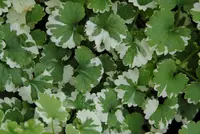
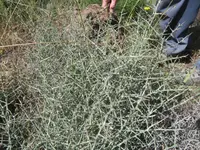
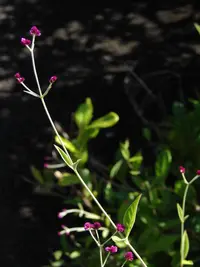
Alternanthera porrigens is a low, mat-forming perennial often grown as a groundcover or edging plant in warm climates. It belongs to the amaranth family, known for colorful foliage and compact growth.

This species typically has small, closely packed leaves and a dense, cushion-like habit that creates a tidy, textured surface. It is native to tropical and subtropical regions of the Americas, where it grows in open, sunny sites with regular moisture.

Its main strengths are its tight growth, quick coverage, and tolerance of regular trimming, which make it suitable for borders, rock gardens, and decorative patches. To care for Alternanthera porrigens, provide bright light, evenly moist but well-drained soil, and protection from frost.

Main Plant Requirements

Care Difficulty

Moderate Care

Light Preference

Partial Sun

Water Requirements

Regular Water

Temperature Preference

Tropical / Frost Sensitive

Hardiness Zone

10–11

Soil Texture

Loamy, Sandy, Organic-rich

Soil pH

Acidic (5.5–6.5), Slightly acidic (6.5–7.0)

Soil Drainage

Moist but well-drained

Fertilization

Moderate (every 2–4 weeks)

Get Personalized Care Plan

Scan your plant to receive care tips personalized for your specific plant

Available on iOS and Android

How to Care for the Alternanthera porrigens

This plant needs bright conditions to maintain dense, colorful foliage.

  • Provide 4–6 hours of direct morning sun with light shade or filtered light in the hot afternoon, especially in summer.
  • It tolerates light or partial shade, but sustained low light reduces color intensity and leads to leggy, stretched growth.
  • In very strong sun or heat above mid-afternoon, use shade cloth or nearby taller plants to prevent leaf scorch and crispy edges on Alternanthera porrigens.

This species prefers evenly moist but not saturated soil for steady growth.

  • Water when the top 2–3 cm of soil feel dry, applying enough to moisten the root zone while allowing excess to drain freely.
  • Use well-drained soil and avoid standing water; yellowing, limp leaves and a sour smell indicate overwatering and possible root rot.
  • In cooler seasons or during slow growth, extend the interval between waterings; wilting, dull foliage and dry, crumbly soil signal the need to water.

Stable warmth helps this plant maintain continuous, vigorous growth.

  • Aim for 70–85°F (21–29°C) as the main growing range, where shoot and leaf development remain strong.
  • Protect from temperatures below 55°F (13°C); prolonged exposure under 50°F (10°C) can cause leaf drop and tissue damage.
  • This species tolerates short heat spells up to about 95°F (35°C) if soil moisture is maintained, but it is very sensitive to frost and should be shielded from cold snaps.

This species benefits from moderate to high humidity for denser foliage and better growth.

  • Aim for 50–70% humidity; plants near 30–40% may show slower growth and slightly curled leaf edges.
  • Dry indoor air can cause crisp leaf tips and dull coloration, especially near heating or air-conditioning vents.
  • Increase humidity with a nearby humidifier, grouped plants, or a pebble tray, avoiding water standing against the pot base.

This plant prefers a loose, airy, organic-rich substrate that drains quickly but does not dry out instantly.

  • Use a mix of roughly 50% peat or coco coir, 30% compost, and 20% perlite or pumice for structure and drainage.
  • Aim for slightly acidic to neutral pH around 6.0–7.0 to support nutrient availability and root health.
  • Ensure the mix feels springy and crumbly, not compact; add more perlite or fine bark if water lingers on the surface.
  • Avoid heavy clay, poorly drained garden soil, or any mix that stays wet for more than 2–3 days after watering.

This species is well suited to container culture for edging, color accents, or small patio plantings.

  • Choose a wide, shallow pot to match its spreading habit so stems can root along the surface without crowding the center.
  • Select a slightly heavier material such as ceramic if grown outdoors, which helps stabilize low but spreading growth in wind.
  • Confirm drainage holes clear water within seconds; if runoff is slow, reduce saucer depth or elevate the pot slightly to prevent pooling.

Nutrient-rich but well-drained soil supports healthy Alternanthera porrigens growth and color.

  • Use a balanced liquid fertilizer (around 10-10-10) at 1/2 strength every 3–4 weeks during spring and summer.
  • Alternatively, mix a small amount of slow-release fertilizer or compost into the topsoil at the start of the growing season.
  • Skip feeding in winter or dormancy, resuming only when new growth appears and light improves.

Thoughtful pruning keeps Alternanthera porrigens compact, dense, and visually uniform.

  • Best time for shaping is in spring to early summer once active growth is clear.
  • Use clean, sharp scissors or hand pruners to remove dead, damaged, or crossing stems.
  • Pinch or trim soft tips to encourage bushier lateral branching and tighter form.
  • Avoid cutting back into old, leafless wood; always leave some leafy nodes on each stem.

Container-grown plants benefit from occasional transplanting to maintain vigorous growth.

  • Check for roots circling the pot, pushing from drainage holes, or slow, weak growth as signs it needs a larger container.
  • Plan repotting or transplanting for spring, every 1–2 years, when light and temperatures are increasing.
  • Choose a pot 2–5 cm wider with fresh, well-draining mix; handle the root ball gently and loosen only lightly.
  • Water thoroughly after moving, then keep in bright, indirect light for several days to limit transplant shock.

New plants are most often produced from softwood stem cuttings taken during the growing season.

  • In late spring or summer, cut 8–10 cm non-flowering shoots just below a node and remove lower leaves.
  • Insert cuttings into moist, well-draining medium and keep at 70–75°F with high humidity and bright, indirect light.
  • Optional rooting hormone on the cut end can speed root formation and improve success rates.
  • Once roots are 2–3 cm long and new growth appears, pot each cutting individually and acclimate to normal light.

Cold conditions limit outdoor growth, so protection is needed in regions with frost or prolonged chill.

  • In USDA zones below the plant’s hardiness range, grow in containers and move indoors before the first frost.
  • Indoors, keep temperatures around 60–70°F and provide as much bright light as possible to reduce leaf drop.
  • Outdoors in mild climates, apply a light mulch around the base to moderate soil temperature and moisture.

Care Tips

Frequent tip pinching

Pinch out soft stem tips every 2–3 weeks during active growth to keep the plant dense and low, which also prevents it from becoming woody and patchy at the base.

Color maintenance strategy

Rotate containers a quarter turn every 1–2 weeks in bright sites so all sides receive similar light, which helps maintain even, intense foliage color rather than dull green patches.

Seasonal rejuvenation cut

In late spring or after a leggy phase, cut back stems by 1/3–1/2 and top-dress with fresh potting mix so the plant can push out compact new growth from lower nodes.

Low edging management

When used as a border or groundcover, lightly shear the whole planting with clean shears 2–4 times per warm season to keep a crisp edge and prevent stems from flopping onto paths.

Planned succession planting

In regions with cool winters, start backup plants from 5–8 cm stem cuttings at mid to late summer so there are established young plants ready for the next season of growing Alternanthera porrigens.

Common Pests and Diseases

Spider mites

This pest often appears on Alternanthera foliage grown in hot, dry, or sheltered spots, causing stippling, fine webbing, and dull, faded leaves. Symptoms include slowed growth and eventual leaf drop if populations are high.

Solution

Rinse the undersides of leaves with a strong stream of water 1–2 times per week and increase humidity around the plant while improving air movement. If needed, apply insecticidal soap or a neem oil spray to all leaf surfaces every 5–7 days for several cycles, isolating the plant from others during treatment as part of consistent Alternanthera porrigens care instructions.

Aphids

These insects cluster on tender shoot tips and young leaves, sucking plant sap and causing curling, distortion, and sticky honeydew that can attract sooty mold. Infestations are most common on soft new growth, especially in nutrient-rich or sheltered conditions.

Solution

Prune off heavily infested shoot tips and wash remaining stems and foliage with lukewarm water and mild insecticidal soap, making sure to reach leaf undersides. Repeat treatments weekly until no aphids are seen and avoid overfertilizing, which can encourage soft, aphid-prone growth.

Leaf spot

This disease shows as small water-soaked spots that enlarge into tan, brown, or dark purple lesions on the leaves, sometimes with a yellow halo. In humid, crowded conditions, multiple spots can merge, leading to premature leaf drop and thinning of the plant canopy.

Solution

Remove and discard affected leaves, then improve air circulation and avoid wetting the foliage when watering. If disease continues to spread, apply a copper-based or other labeled ornamental fungicide according to instructions, and keep overhead watering to a minimum.

Powdery mildew

This disease produces white or gray powdery patches on the upper surfaces of leaves, which can cause distortion, reduced vigor, and dull coloration in the normally bright foliage. Symptoms include slower growth and increased leaf drop in shaded, crowded, or poorly ventilated areas.

Solution

Thin nearby vegetation to improve airflow and ensure the plant receives adequate light, then remove heavily infected leaves. Treat remaining foliage with a labeled powdery mildew fungicide or a sulfur-based product, and avoid frequent light misting that keeps leaves damp without improving hydration.

Nematode damage

These microscopic roundworms attack the roots, leading to stunted growth, poor vigor, reduced color intensity, and wilting during warm periods, even when soil moisture appears adequate. Symptoms include sparse, weak stems and poor response to fertilizer despite regular care.

Solution

Discard severely affected plants along with surrounding soil, and avoid replanting Alternanthera in the same spot for several seasons. For mild issues in garden beds, improve soil organic matter, rotate plantings, and use clean, nematode-free nursery stock or container mixes to reduce reinfestation risk.

Interesting Facts

High-altitude specialist

This species is native to high Andean regions of Ecuador and Peru, where it grows in cool, moist, often foggy habitats rather than the hot lowland tropics many people associate with the genus.

Low, mat-forming habit

It typically forms dense, low cushions or mats close to the ground, an adaptation that helps reduce water loss and protects it from strong mountain winds and rapid temperature swings.

Subtle foliage coloration

Unlike many ornamental Alternanthera species with vivid red or purple leaves, it has comparatively subdued green foliage with fine-textured leaves that blend into surrounding alpine vegetation rather than standing out.

FAQs about Alternanthera porrigens

This species is typically grown as a tender perennial in frost-free climates, forming a low, long-lived mat. In colder regions it is often treated as an annual because it is easily damaged or killed by freezing temperatures.

Grow Healthy Plants with Botan Care

Keep your plants happy and healthy with plant identification, disease detection, and easy care guidance.

Botan plant care app — identify plants on mobile

Explore More Plants