Pinch For Bushiness
Pinch off 1–2 cm of soft shoot tips every 2–3 weeks during active growth to encourage branching, create a denser habit, and increase the number of flowering spikes.

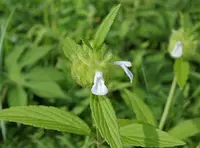
Thumbai (Leucas aspera) is a small, aromatic herb in the mint family, usually forming low, branching clumps with narrow leaves and white, tubular flowers in whorls. It is native to South and Southeast Asia and commonly appears in open fields, roadsides, and dry, disturbed sites. This plant is generally hardy, tolerating heat, poor soils, and brief dry periods, which makes it relatively straightforward to grow. It prefers sunny positions, well-drained soil, and moderate moisture, so care for Thumbai focuses mainly on avoiding waterlogged conditions.

Care Difficulty
Easy Care

Light Preference
Full Sun

Water Requirements
Moderate Water

Temperature Preference
Tropical / Frost Sensitive

Hardiness Zone
10–12

Soil Texture
Sandy, Loamy, Organic-rich

Soil pH
Slightly acidic (6.5–7.0), Neutral (7.0)

Soil Drainage
Well-drained

Fertilization
Minimal (feed rarely)
Scan your plant to receive care tips personalized for your specific plant
Available on iOS and Android
This sun-loving herb thrives in bright, open sites with warm conditions.
This species prefers slightly dry, well-drained conditions and does not like prolonged wet soil.
This warm-season herb grows best in stable, frost-free conditions.
This species tolerates a wide humidity range and rarely needs special humidity control in typical home or outdoor conditions.
Leucas aspera prefers light, well‑aerated soil that drains quickly and does not stay wet.
This species is suitable for container growing when the pot is set up to keep the root zone airy and free‑draining.
Leucas aspera is a light feeder and usually needs only modest nutrition, especially when grown in the ground.
Leucas aspera responds well to light, timely pruning that keeps plants compact and flowering well.
Leucas aspera is most often grown in the ground, but young plants or nursery stock may need careful transplanting.
Leucas aspera is commonly propagated by seeds and soft stem cuttings under warm, bright conditions.
Leucas aspera is suited to warm climates and benefits from simple measures where winters are cool or light-frost prone.

Plant Health Check
Not sure what's wrong with your plant? Check your plant's health inside the app.
This small annual herb commonly colonizes disturbed dry fields, roadsides, and crop margins across South and Southeast Asia, showing strong tolerance to poor, compacted soils and high heat.
The leaves and flowering tops release a gentle, herbaceous aroma when crushed, produced by volatile oils in specialized glandular hairs typical of the mint family Lamiaceae.
Its small white tubular flowers provide accessible nectar and pollen to a range of insects, especially small bees and flies that can easily enter the narrow corolla tube.

In parts of India and Sri Lanka, this species is so closely associated with seasonal change that its peak flowering around late monsoon and early winter is traditionally used as a natural indicator of the transition from the rainy season to cooler, drier weather.
Lack of flowering usually comes from insufficient sunlight, depleted soil nutrients, or heavy, waterlogged soil. Check that the plant receives strong light, refresh the soil or add a light fertilizer, and avoid constant wetness around the roots.
Keep your plants happy and healthy with plant identification, disease detection, and easy care guidance.