Allergy-Safe Placement
Site plants downwind and away from seating areas, doors, and high-traffic paths to reduce pollen exposure for people and pets when growing coastal ragweed outdoors.

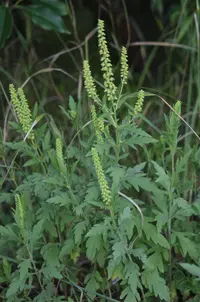
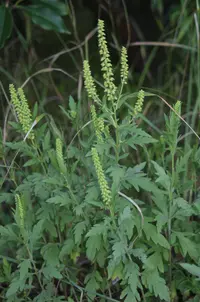
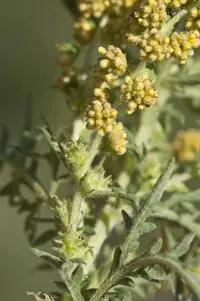
Coastal ragweed (Ambrosia hispida) is an annual or short-lived perennial herb in the aster family, known for its deeply divided leaves and inconspicuous greenish flower spikes. It often forms low, spreading patches that can quickly colonize open, sandy or disturbed ground.
This species is native to coastal regions of the Americas, especially along beaches, dunes, and salt-influenced habitats. It is tolerant of wind, salt spray, and poor, dry soils, which makes it tough but also weedy in suitable conditions.
Because it self-seeds readily and thrives in low-fertility sites, it is generally easy to establish outdoors where the climate is warm. Gardeners who want to learn how to care for coastal ragweed should remember that it prefers full sun, well-drained soil, and moderate moisture.

Care Difficulty
Easy Care

Light Preference
Full Sun

Water Requirements
Moderate Water

Temperature Preference
Warm Climate

Hardiness Zone
8–11

Soil Texture
Sandy, Loamy, Organic-rich

Soil pH
Slightly acidic (6.5–7.0), Neutral (7.0)

Soil Drainage
Moist but well-drained

Fertilization
Minimal (feed rarely)
Scan your plant to receive care tips personalized for your specific plant
Available on iOS and Android
Ambrosia hispida grows best in bright outdoor conditions that mimic open coastal sites.
Ambrosia hispida prefers moderately moist, well-drained soil and tolerates short dry spells once established.
This species thrives in warm, frost-free conditions typical of mild coastal and subtropical climates.
This species tolerates a wide humidity range and rarely needs special humidity adjustments.
This species prefers loose, sandy to sandy-loam soil with rapid drainage.
This species can be grown in containers, mainly for temporary or controlled habitat plantings rather than display.
Ambrosia hispida is a tough native that usually needs little feeding, especially in the ground.
Pruning Ambrosia hispida is mainly about hygiene and managing spread rather than shaping.
This species is more often transplanted outdoors than maintained long term in containers.
Ambrosia hispida is most commonly propagated by seed, which it produces in abundance.
This coastal ragweed is generally cold hardy in its native range and needs little winter care outdoors.

Plant Health Check
Not sure what's wrong with your plant? Check your plant's health inside the app.
This species naturally establishes on coastal sand dunes and upper beaches, where its deep, spreading root system helps stabilize loose sand and tolerate burial by shifting sediments.
Coastal ragweed survives salt-laden winds and occasional seawater splash, traits that allow it to occupy harsh foredune zones where many inland ragweed relatives cannot persist.
Like other ragweeds, it is wind‑pollinated, but in coastal sites its exposed, low vegetation and open shorelines allow pollen to travel efficiently along the shore, contributing to localized allergy issues in some regions.

This species is considered an early successional plant on Atlantic and Gulf Coast dunes, often appearing soon after natural disturbance and paving the way for later-establishing dune grasses and shrubs by trapping sand and adding organic matter to the substrate.
This species spreads readily by seed and can form dense patches in disturbed, sandy, or coastal areas. In some regions it behaves invasively, so monitor self-seeding carefully and remove unwanted seedlings before they mature and release pollen.
Keep your plants happy and healthy with plant identification, disease detection, and easy care guidance.