
Common Sorrel Identification (Rumex acetosa)

Recognize Common Sorrel by its basal rosette of long, arrow-shaped leaves with two backward-pointing lobes at the base. Leaves rise on slender stalks, and the plant lacks a woody stem.

Flowering stems are upright and leafier above, usually reaching 1 to 3 feet (30 to 90 cm).

Rumex acetosa Identification

Identify a Plant by Photo

Upload a plant photo and check the identification in seconds.

Clear images work best. Avoid photos taken too close or too far away

  • 1 free identification
  • No sign-up
  • 30,000+ plants in database

Check the leaf shape and the airy flower stalks first on Rumex acetosa.

  • Basal leaves are long and narrow, usually 3-6 inches (8-15 cm) long, with a pointed tip.
  • Each leaf base has two backward-pointing lobes that give it an arrowhead outline.
  • Leaves mostly rise from the base in a clump, while stem leaves are fewer and smaller.
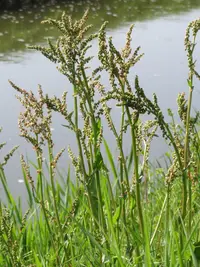
  • Flowering stems stand upright and branch near the top into loose, open clusters.
  • Tiny flowers are grouped along the branches, with six small petal-like segments.

The arrow-shaped basal leaves are often the fastest single check.

Rumex acetosa shows clear visual shifts from basal rosette to tall, branched seed-bearing stems.

  • Seedling: Seedlings form a small basal rosette. First leaves are simple and narrow, lacking the pronounced backward-pointing basal lobes seen later.
  • Young plant: The rosette expands with longer, arrow-shaped leaves on petioles. Basal lobes become distinct, and the plant stays low without an upright flowering stem.
  • Flowering stage: A slender, ridged stem rises well above the rosette, often reaching 1-2 feet (30-60 cm). Upper leaves are smaller, narrower, and more stem-clasping.
  • Fruiting stage: After flowering, branched clusters hold many small papery fruits. The stem looks drier and more open than in flower, with persistent whorled fruiting structures.

In spring, Rumex acetosa forms fresh basal clumps of narrow, arrow-shaped leaves. By late spring into summer, tall flowering stems rise above the foliage with whorled clusters of small greenish to reddish flowers, making the plant easier to spot. As the season advances, the flower clusters dry to a papery reddish-brown seed head. In cold winter areas, the top growth often dies back, leaving little or no leafy growth visible.

A few dock relatives are mistaken for Common Sorrel.

sheep sorrel(Rumex acetosella)

Often confused because both have sour, arrow-shaped leaves. Sheep sorrel is much smaller, usually under 12 inches (30 cm), and its basal leaf lobes point outward or backward more sharply.

spinach dock(Rumex patientia)

Young plants can resemble sorrel in leaf shape. Spinach dock soon makes much larger leaves, often over 12 inches (30 cm) long, with broader blades and less distinct backward-pointing basal lobes.

French sorrel(Rumex scutatus)

This sorrel relative also has edible, smooth leaves. It stays lower and forms rounded to shield-shaped leaves rather than the narrow, hastate leaves typical of Rumex acetosa.

Rumex acetosa is native across much of Europe and temperate Asia. It is a familiar wild plant in meadows, pastures, roadsides, and open riverbanks, especially in cool to moderately moist ground. That setting helps with identification because this species is most often found in open grassland rather than shaded woodland or dry, rocky sites. Seeing it in disturbed but grassy places can help narrow it from less common dock species tied to wetter marshes or harsher coastal ground.

Rumex acetosa has one clear safety concern linked to ingestion.

  • Oxalates in leaves: The leaves contain oxalic acid and related oxalates. In humans and pets, swallowing larger amounts can irritate the digestive tract and may be a concern for those prone to kidney stone problems.

Confirm the Species with Botan

Upload a photo to compare key details and get help identifying the plant or confirming your current ID.

FAQ

In mild areas, this plant may keep a low rosette of green basal leaves through winter. In colder climates, top growth often dies back, leaving little visible except the crown at soil level.

More Plant Identification Guides

Identify the Plant and Get Its Profile

Upload a photo for identification, then see plant details, care information, and common problems matched to the result.

Botan app identifying a plant from a photo
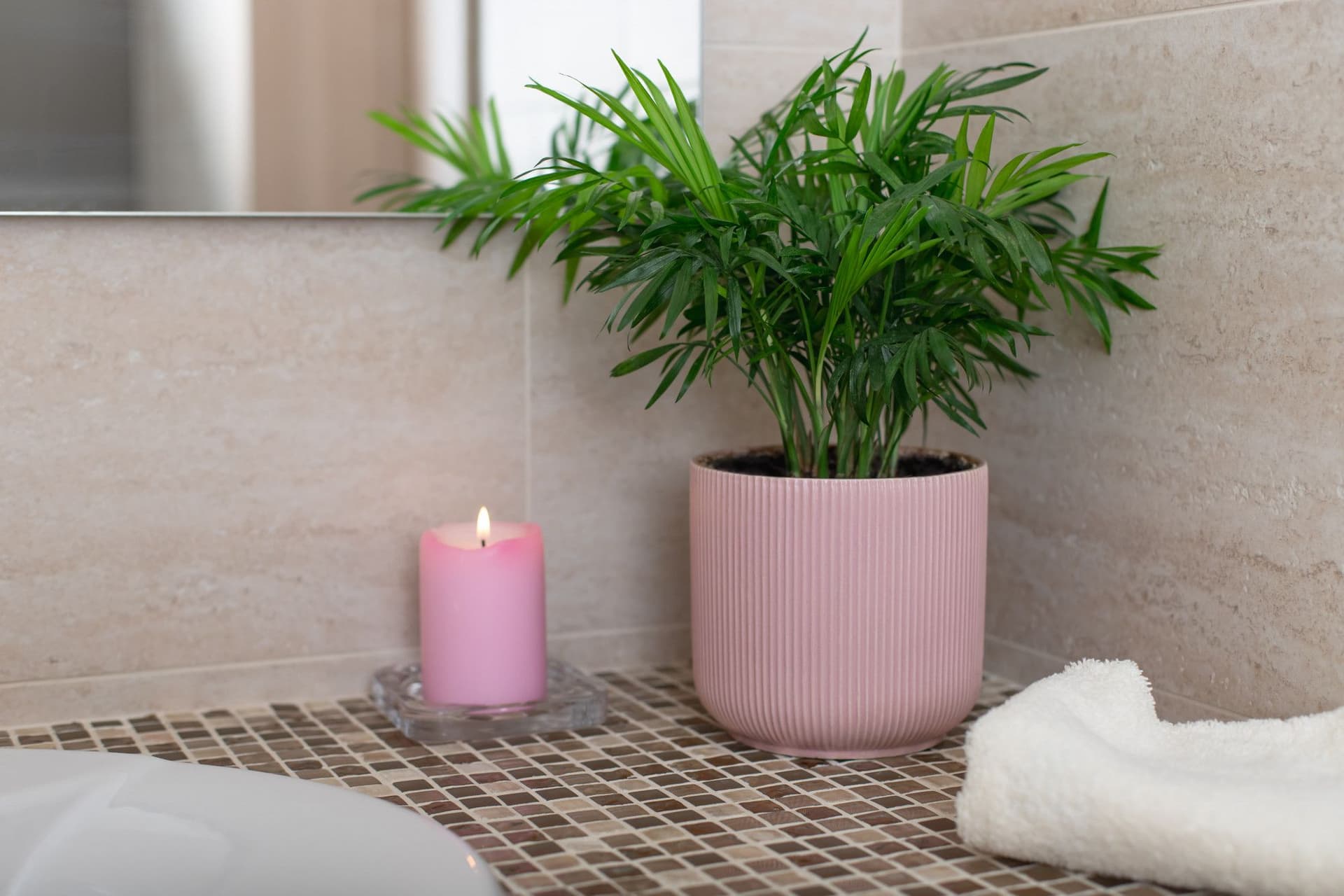
12 Best Plants for Bathroom That Thrive in Humid Conditions

9 min read · 29 Sept 2026

12 Best Plants for Bathroom That Thrive in Humid Conditions

Discover the 12 best plants for bathroom spaces. Each pick comes with its own advantages, plus light, humidity, watering, and placement tips. Take a look and match the plant to your specific bathroom.

Plant Recommendations
12 Best Plants for Bathroom That Thrive in Humid Conditions
Plants That Repel Bugs – 20 Effective Options

12 min read · 16 Jul 2026

Plants That Repel Bugs – 20 Effective Options

Mosquitoes on the patio? Gnats in the kitchen? Some plants keep them away with the scent of their own leaves. Here are 20 that deal with mosquitoes, flies, aphids, and more, plus where to put them so they help.

Plant Recommendations
Plants That Repel Bugs – 20 Effective Options
How to Winterize Your Garden in 6 Steps

5 min read · 28 Sept 2026

How to Winterize Your Garden in 6 Steps

Learn how to prepare your garden for winter with a practical six-step checklist covering cleanup, tender plant care, watering, mulching, winter protection, and winterizing equipment and containers.

Plant Care
How to Winterize Your Garden in 6 Steps