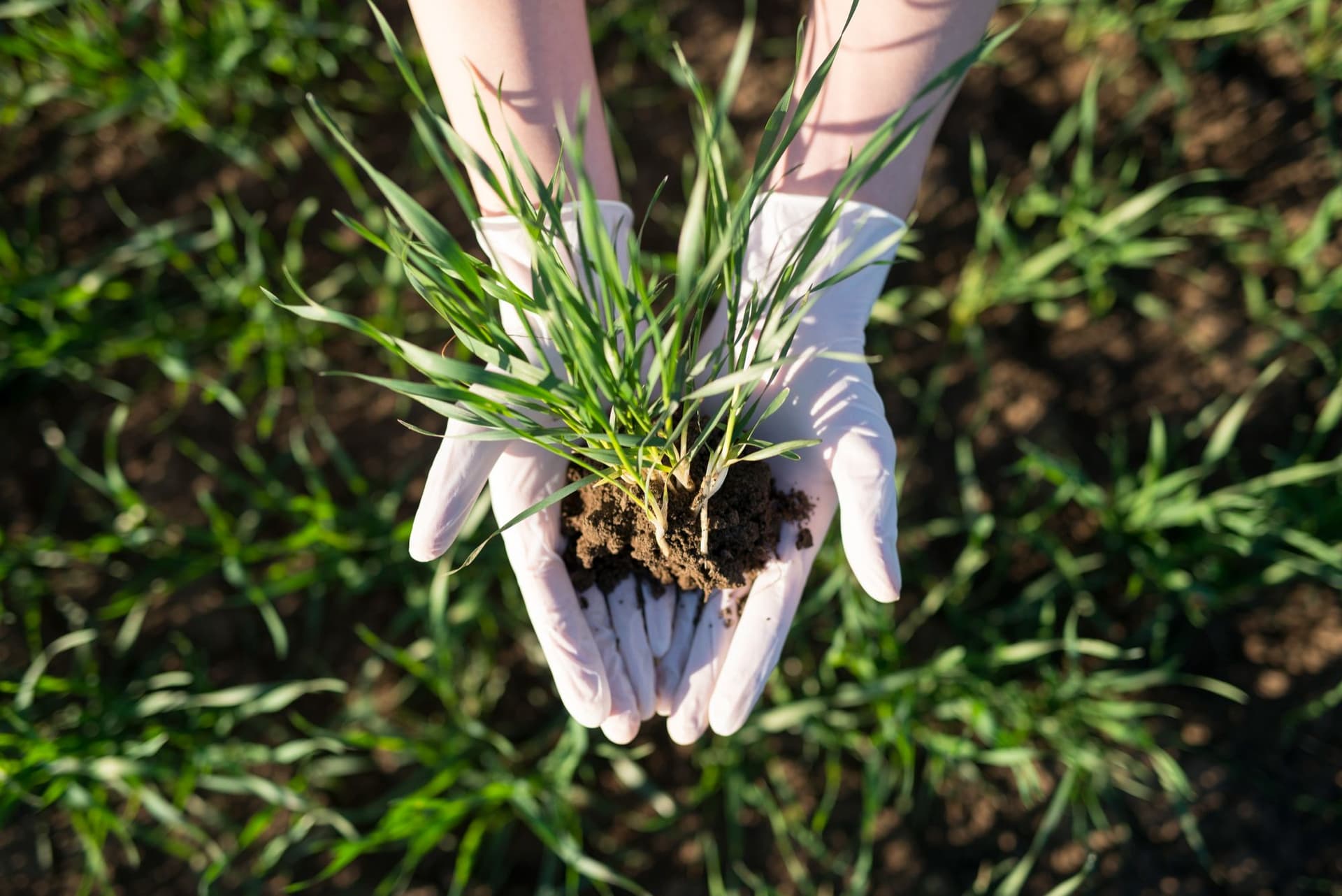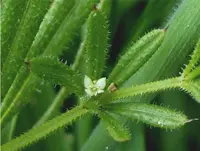


cleavers Identification (Galium aparine)

Recognize cleavers by its weak, scrambling stems lined with tiny hooked hairs, narrow leaves borne in whorls of 6 to 8 around each node, and small paired round fruits that also cling.

Galium aparine usually trails or climbs over nearby plants rather than standing upright.

Galium aparine Identification

Is This cleavers?

Not sure about your plant ID? Upload a photo and check it with Botan.

Clear images work best. Avoid photos taken too close or too far away

Check Galium aparine for its whorled leaves and scrambling, clingy stems.

  • Leaves grow in rings of 6-8 at each node, narrow and lance-shaped, often about 1-3 inches (2.5-7.5 cm) long.
  • Stems are weak, square, and sprawling or climbing through nearby plants rather than standing upright.
  • Tiny hooked bristles cover stems and leaf edges, giving the plant a sticky, catch-on-clothing look.
  • Small white flowers appear in loose clusters from the leaf axils, with 4 petals each.
  • Fruits are round, paired, and bristly, forming small burr-like balls.

The clinging hooks on both stems and leaves are one of the fastest visual checks.

Galium aparine shows clear visual shifts from early whorled shoots to hooked fruits.

  • Seedling: Seedlings produce a slender stem with the first narrow leaves in small whorls, already showing the clinging, backward-pointing hairs.
  • Young plant: Young plants elongate quickly into weak, scrambling stems. Leaf whorls become fuller, often 6-8 per node, and side branches begin from the leaf axils.
  • Flowering stage: Small white four-lobed flowers appear in loose clusters from the leaf axils, adding a finer, more open look than the purely leafy stage.
  • Fruiting stage: After flowering, paired round fruits replace the blooms. They are densely covered with hooked bristles, making the plant look rougher and more beadlike.

In spring, Galium aparine quickly forms fresh green, scrambling stems with whorls of narrow leaves. By late spring to early summer, tiny white star-like flowers become visible in the leaf axils. Soon after, the plant shows paired round fruits covered with hooked bristles that cling to clothing and fur. After seed set, plants usually yellow, collapse, and disappear rather than persisting as obvious dry stems.

A few bedstraw relatives are realistic sources of confusion with cleavers.

hedge bedstraw(Galium mollugo)

It shares whorled narrow leaves and a scrambling habit. Unlike Galium aparine, its stems are not rough and sticky, and the flower clusters are larger and more open with many obvious white flowers.

sweet woodruff(Galium odoratum)

This species also has leaves in whorls and small white flowers. It is usually a tidier woodland plant with broader leaves, smooth stems, and an upright to mat-forming habit rather than clinging, trailing growth.

Galium aparine is native across much of Europe, Asia, and North Africa, and is widely naturalized in North America. Geography alone is not enough for identification, but it is a common find across much of the US. Habitat is more useful. It typically appears in disturbed ground, hedgerows, woodland edges, thickets, streambanks, gardens, and shaded fence lines, especially in moist, nutrient-rich soil.

  • Skin contact: Stems, leaves, and fruits have tiny hooked bristles. Contact can scratch or irritate skin in humans and pets, especially with repeated handling or rubbing.
  • Ingestion: Galium aparine is not well established as a poisonous plant, but rough stems, leaves, and clingy fruits can irritate the mouth or stomach if eaten by humans or pets.

Confirm the Species with Botan

Upload a photo to help identify the plant or verify your match before you label it or look up the right information.

FAQ

The best field mark is the rough, clingy texture. Stems, leaf edges, and even the small fruits carry tiny hooked hairs, so the plant catches on clothing and fur. That trait is central to cleavers identification.

More Plant Identification Guides

Identify First. Learn What Comes Next.

Use Botan to identify a plant from a photo, then get plant details, care information, and common problems for that species.

Botan app identifying a plant from a photo
When to Harvest Carrots: Timing, Signs, and How to Pick Them

6 min read · 23 Oct 2026

When to Harvest Carrots: Timing, Signs, and How to Pick Them

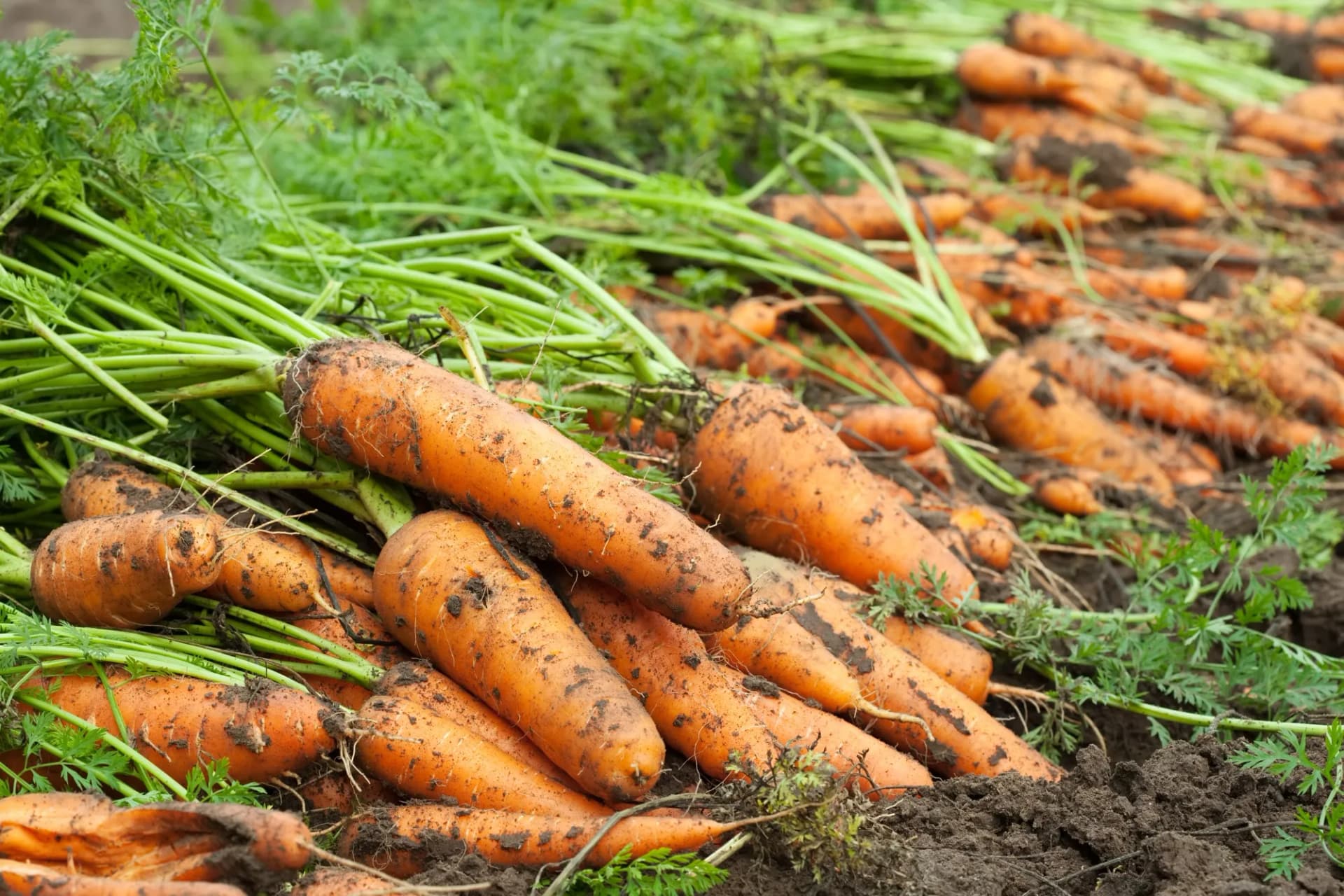
Carrots are usually ready 60-80 days after sowing them in the soil, depending on the variety. Learn how to recognize maturity signs, choose the right harvest season, pull carrots without damaging them, and store roots after picking.

Plant Care
When to Harvest Carrots: Timing, Signs, and How to Pick Them
Frozen vs Fresh Vegetable Nutrients: Which Option Is Healthier?

6 min read · 8 Sept 2026

Frozen vs Fresh Vegetable Nutrients: Which Option Is Healthier?

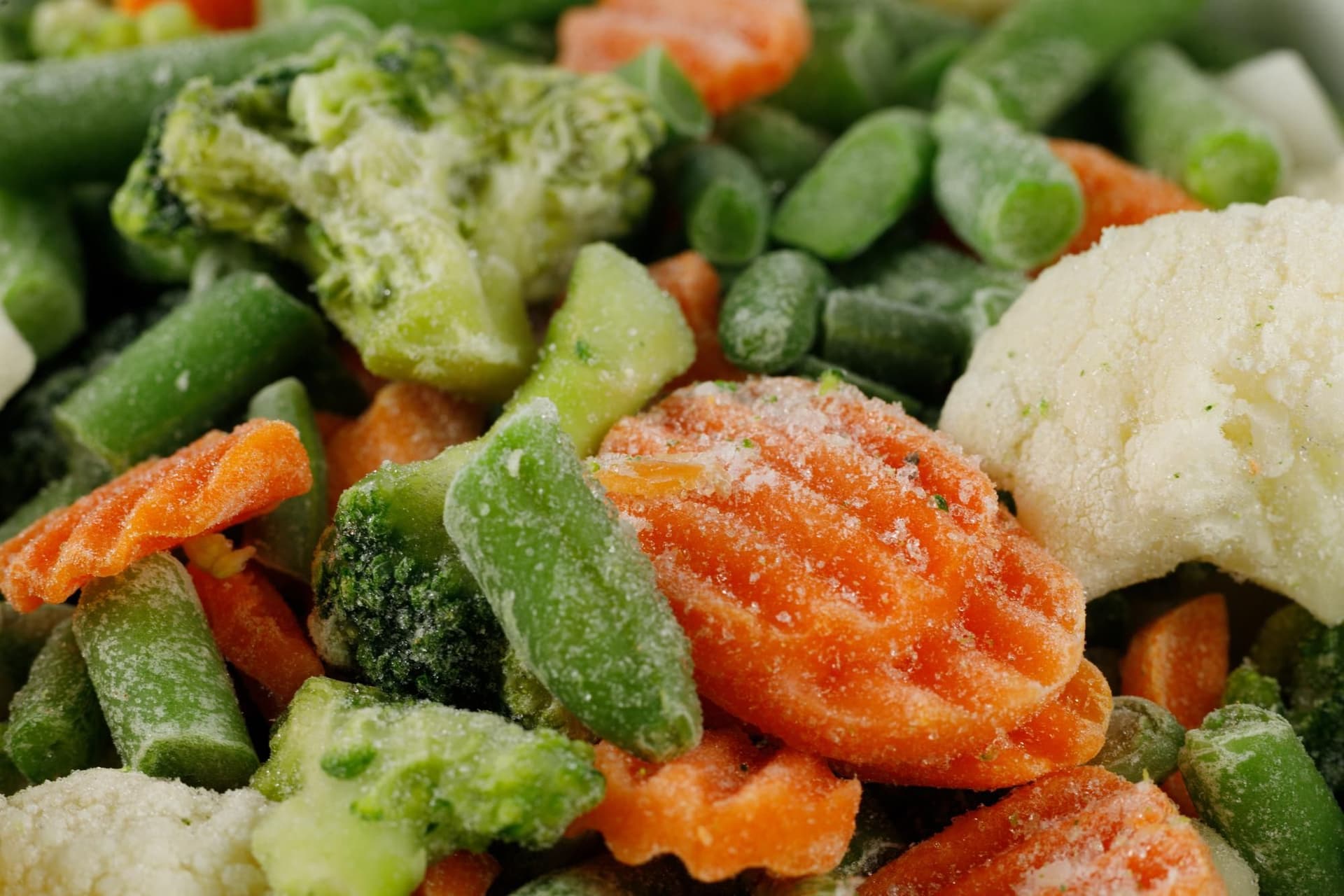
Frozen and fresh vegetables are nutritionally comparable: frozen produce often retains vitamins just as well as fresh and may sometimes contain more. Here’s how blanching and storage affect nutrients—and when to choose each.

Plant Recommendations
Frozen vs Fresh Vegetable Nutrients: Which Option Is Healthier?
Planting Grass Seed in Summer – What Works and What Fails

7 min read · 6 Aug 2026

Planting Grass Seed in Summer – What Works and What Fails

Summer seeding succeeds when the grass type suits the season, and the soil stays moist. Find out how to prepare the seedbed and choose a safe window for planting.

Plant Care
Planting Grass Seed in Summer – What Works and What Fails