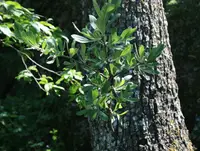
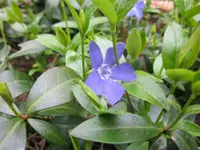
chestnut rose Care (Rosa roxburghii)

Also known as: Burr Rose
chestnut rose

About chestnut rose

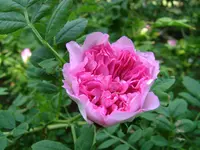
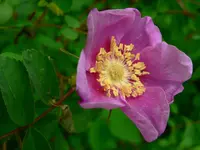
Chestnut rose, Rosa roxburghii, is a deciduous shrub rose known for its spiny, textured hips and delicate, single pink flowers. It forms a bushy, upright to arching plant with dense branching and distinctive peeling bark.

This species is native to China, where it grows on hillsides, forest margins, and rocky slopes. It is valued both as an ornamental and for its vitamin C–rich fruit used in traditional products.

Rosa roxburghii is generally robust and cold hardy, but the thorns and vigorous growth mean it needs space and some pruning. It prefers sun, moderately moist, well-drained soil, and understanding how to care for chestnut rose starts with providing good light and airflow.

Main Plant Requirements

Care Difficulty

Moderate Care

Light Preference

Full Sun

Water Requirements

Moderate Water

Temperature Preference

Cold Hardy

Hardiness Zone

4–8

Soil Texture

Loamy, Sandy, Clay

Soil pH

Acidic (5.5–6.5), Slightly acidic (6.5–7.0)

Soil Drainage

Moist but well-drained

Fertilization

Light (every 4–6 weeks)

Get Personalized Care Plan

Scan your plant to receive care tips personalized for your specific plant

Available on iOS and Android

How to Care for the chestnut rose

Rosa roxburghii performs best in stable, bright outdoor conditions with direct sun each day.

  • Provide 6–8 hours of direct sun daily, ideally with morning sun and light afternoon shade in hot summers for chestnut rose.
  • Plant in an open site with unshaded exposure; it tolerates light partial shade (3–4 hours sun) but flowering and fruiting decline as shade increases.
  • Watch foliage for stress: pale, leggy growth indicates too little sun, while scorched, crisped leaf edges suggest intense, prolonged afternoon sun.

Rosa roxburghii prefers evenly moist, well-drained soil rather than constant saturation.

  • Before watering, let the top 3–5 cm of soil dry, then water deeply so moisture reaches the root zone, especially in the first 1–2 growing seasons.
  • During hot, dry weather, check soil every 2–3 days; in cool or rainy periods, water only when the surface has clearly dried and soil feels just slightly moist below.
  • Yellowing, soft leaves and persistent wet soil indicate overwatering or poor drainage, while drooping, dry, brittle leaves and cracked soil signal underwatering.

This rose is a hardy shrub that tolerates a wide outdoor temperature range when established.

  • Optimal growth occurs around 60–80°F (16–27°C), with strongest vegetative growth and flowering in mild spring and early summer conditions.
  • Mature plants usually tolerate down to about 0°F (−18°C) with good mulching; young plants benefit from winter protection when temperatures fall below 15°F (−9°C).
  • In hot climates, plants handle short periods up to about 95°F (35°C) if soil moisture is maintained; prolonged extreme heat or sudden late frosts can damage new shoots and buds.

Humidity has only a minor influence on chestnut rose health compared with light, soil, and watering.

  • Performs well in 30–60% humidity, typical of most outdoor garden settings in temperate regions.
  • Tolerates relatively dry air if soil moisture is consistent and roots are not allowed to dry out completely.
  • Humidity stress shows as crispy leaf edges and slower growth; improve conditions by mulching soil and grouping plants to reduce moisture loss.

Rosa roxburghii prefers structured, well-aerated soil that drains freely yet retains moderate moisture.

  • Use a loamy, crumbly soil with plenty of organic matter such as compost or well-rotted manure to support root development.
  • Aim for slightly acidic to neutral pH (6.0–7.0) and avoid strongly alkaline or saline soils that restrict nutrient uptake.
  • Improve drainage and aeration by incorporating coarse sand or fine grit into heavy clay, breaking up compacted layers before planting.
  • Avoid waterlogged or very shallow, stony soils where roots sit in standing water or dry out rapidly between irrigations.

This species can be grown in containers if the pot is chosen and managed carefully for its woody root system.

  • Select a deep, heavy container that resists tipping and gives roots vertical space for anchoring woody growth.
  • Use a slightly wider-than-deep pot to spread the root system and reduce sudden drying of the upper root zone.
  • Choose thick-walled terracotta or similar porous material to moderate moisture swings and improve root-zone oxygen levels.

Rosa roxburghii benefits from moderate feeding but still performs reasonably in lean soils.

  • Use a balanced granular or slow-release fertilizer (for example 8-8-8 or 10-10-10) or well-rotted compost in early spring as growth starts.
  • Apply fertilizer at 1/2 label strength for younger shrubs, keeping granules away from direct stem contact.
  • Feed once more in mid-summer if growth or flowering declines; skip in very rich soils.
  • Stop feeding chestnut rose by late summer and do not fertilize in winter dormancy.

Thoughtful pruning keeps Rosa roxburghii healthy, manageable, and flowering well.

  • Carry out main pruning in late winter to very early spring before buds swell.
  • Remove dead, diseased, crossing, and inward-growing stems first to open the center.
  • Shorten overly long canes by up to 1/3 to control size while preserving flower buds.
  • Use sharp bypass pruners or loppers, cutting just above outward-facing buds for balanced growth.

This shrub is usually grown in the ground, so focus on careful site transplanting rather than frequent repotting.

  • Transplant young plants in early spring or fall when temperatures are mild and soil is workable.
  • Move if growth is stunted, the plant is crowded, or the site is too shaded or waterlogged.
  • Dig a wide hole, keep the root ball intact, and set the shrub at the same soil level as before.
  • Water deeply after planting, mulch 5–8 cm around (not against) stems, and shade briefly to limit transplant shock.

Rosa roxburghii is most often propagated by hardwood cuttings or seed where breeding is of interest.

  • Take hardwood cuttings in late fall or winter, 15–20 cm long, from healthy, pencil-thick stems.
  • Insert cuttings into a free-draining medium, keep evenly moist, and maintain cool, frost-free conditions for rooting.
  • Sow stratified seed in late winter or early spring; cold stratification means a chilled, moist period that breaks dormancy.
  • Label parent plants clearly when selecting propagation material to preserve desired fruit and flower traits.

This rose is generally cold hardy in many temperate climates and needs only modest winter care once established.

  • Tolerates typical frosts in many rose-growing regions but young plants appreciate extra protection their first 1–2 winters.
  • Apply 5–8 cm of mulch over the root zone in late fall, keeping mulch slightly away from stems.
  • In very cold or windy sites, mound soil or compost 8–10 cm high around the crown for added insulation.
  • Container-grown plants are more vulnerable; shift pots into a sheltered, unheated but frost-sheltered area if possible.

Care Tips

Thorn-aware handling

Use thick leather gloves and long sleeves when pruning or training stems, since the large, woody thorns can cause deep scratches and make fine work difficult without proper protection.

Fruit-support pruning

Before flowering, thin out crowded inner shoots and remove weak, crossing stems so the remaining branches can support the heavy spiny hips without snapping in wind or rain.

Disease-reducing airflow

Space plants generously and lightly thin inner growth each year to maintain good air circulation, which significantly reduces the risk of black spot and other fungal leaf problems on this dense shrub.

Harvest-timed deadheading

Stop deadheading after the main flush of flowers if you want hips for medicinal or ornamental use, but resume selective removal of damaged or diseased hips to limit pathogen and insect buildup.

Wildlife-conscious siting

Plant chestnut rose slightly away from high-traffic paths and children’s play areas so its stiff, spiny branches can function as a wildlife-friendly barrier without posing a handling hazard when caring for chestnut rose.

Common Pests and Diseases

Rose aphids

This pest commonly colonizes young shoots, buds, and tender leaves, sucking sap and causing curling, distortion, and sticky honeydew that can lead to sooty mold on chestnut rose shrubs. Heavy infestations reduce flowering and overall vigor.

Solution

Prune and discard heavily infested shoot tips, then wash remaining stems and leaves with a strong stream of water to dislodge aphids. If needed, apply insecticidal soap or a light horticultural oil thoroughly to new growth, repeating at 7–10 day intervals while monitoring beneficial insects like lady beetles and lacewings.

Rose sawfly larvae

These insects (often called rose slugs) skeletonize leaves, leaving a translucent or window‑pane appearance and, in severe cases, almost defoliating Rosa roxburghii in late spring to early summer. Damage tends to start on lower or interior branches where larvae are less visible.

Solution

Inspect foliage closely and crush or hand‑pick larvae from the undersides of leaves, discarding any heavily damaged leaves. For repeated or heavy infestations, spray foliage with insecticidal soap or spinosad, ensuring good coverage on leaf undersides, and encourage natural predators by avoiding broad‑spectrum insecticides.

Black spot

This disease, caused by a rose‑specific fungus, produces round black spots with fringed edges on leaves, followed by yellowing and premature leaf drop, especially in humid, poorly ventilated conditions. Symptoms include progressive defoliation from the bottom of the plant upward, which weakens the shrub over time.

Solution

Remove and discard affected leaves from the plant and ground to reduce spores, then improve air movement by thinning crowded stems and avoiding overhead watering. In areas with a history of disease, apply a preventive fungicide labeled for rose black spot on a 7–14 day schedule during warm, wet periods, following all label directions.

Powdery mildew

This disease forms white, powdery fungal growth on young leaves, shoots, and sometimes flower buds, which may curl or become distorted on chestnut rose, especially under cool nights and warm, dry days. Growth and flowering can be reduced when new shoots are repeatedly infected.

Solution

Increase sunlight and airflow by pruning congested stems and spacing plants appropriately, and avoid high‑nitrogen fertilization that drives soft, susceptible growth. At first signs, remove the worst affected shoots and, if needed, use a sulfur or potassium bicarbonate fungicide, coating all new foliage and repeating during conducive weather.

Rose rust

This disease causes orange to rust‑colored pustules on leaf undersides and stems, with yellowing on upper leaf surfaces and eventual leaf drop in cool, moist conditions. On Rosa roxburghii, repeated yearly infections can weaken plants and reduce flowering, especially in dense plantings or sheltered sites.

Solution

Collect and destroy infected leaves and prunings, and thin the shrub to open the canopy and shorten leaf wetness periods. In regions where rust is persistent, apply a systemic or protectant fungicide labeled for rose rust starting early in the season, rotating active ingredients to reduce resistance and following label timing carefully.

Interesting Facts

Spiny fruit surface

Its ripened hips have a thick, warty and spiny outer surface, which inspired the common name chestnut rose because the fruits resemble chestnut burrs more than typical smooth rose hips.

Unusually thick hip flesh

The fleshy layer of the hip is much thicker than in most wild roses, making the fruit comparatively bulky and giving it a distinctive texture that has been used in East Asia for food processing and breeding research.

High natural vitamin C

The hips of this species are documented to contain very high natural vitamin C levels compared to many common fruits, which has led to interest in Rosa roxburghii plant care and cultivation in orchards and experimental plots in China.

Botan icon

Did you know?

Rosa roxburghii is believed to originate from mountainous regions of southwestern China, where it grows on rocky slopes and forest margins at relatively high elevations, making it naturally adapted to cool conditions and well-drained, mineral-rich soils.

FAQs about chestnut rose

Poor flowering usually comes from insufficient light, heavy pruning at the wrong time, or nutrient imbalance. Avoid cutting stems that formed last season, ensure full sun, and use a balanced, low-nitrogen fertilizer to support bud formation.

Grow Healthy Plants with Botan Care

Keep your plants happy and healthy with plant identification, disease detection, and easy care guidance.

Botan plant care app — identify plants on mobile

Explore More Plants