


Early form training
In the first 2–3 years, select a single strong leader and 3–5 well-spaced lateral branches, removing competing stems gradually to build a stable framework that resists wind damage later.

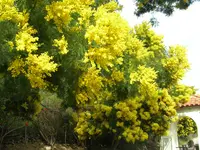
Green wattle, Acacia decurrens, is a fast-growing evergreen tree or large shrub from southeastern Australia, often used in landscapes, shelterbelts, and restoration plantings. It forms a rounded to upright crown with finely divided, feathery foliage and showy, bright yellow, ball-shaped flowers in late winter or spring.
In suitable climates it grows quickly and can become quite tall, which makes space planning important. Once established, it is relatively drought-tolerant but prefers well-drained soil and full sun. Knowing how to care for green wattle starts with providing enough light and avoiding waterlogged conditions.
The species is generally considered robust and forgiving, though it may seed freely in some regions and can become invasive where conditions are ideal.

Care Difficulty
Moderate Care

Light Preference
Full Sun

Water Requirements
Low Water

Temperature Preference
Warm Climate

Hardiness Zone
8–11

Soil Texture
Sandy, Loamy, Clay

Soil pH
Acidic (5.5–6.5), Slightly acidic (6.5–7.0)

Soil Drainage
Well-drained

Fertilization
Minimal (feed rarely)
Scan your plant to receive care tips personalized for your specific plant
Available on iOS and Android
Acacia decurrens prefers bright, direct outdoor light to fuel fast growth and dense foliage.
This species is drought-tolerant once established and prefers infrequent, deep watering rather than frequent light applications.
This fast-growing tree prefers mild, frost-free climates with warm summers and cool, not freezing, winters.
This species tolerates relatively low humidity and usually does not need special moisture control indoors or outdoors.
Acacia decurrens prefers light, free-draining soil that stays slightly dry between waterings.
This species can be grown in containers for a limited time if the pot is chosen to manage its fast, woody root system.
Acacia decurrens grows in relatively poor soils but benefits from light, controlled feeding in containers or depleted ground.
Pruning Acacia decurrens helps maintain structure, manage size, and support safe, healthy growth.
This species is usually grown in the ground, so focus on careful transplanting rather than frequent repotting.
Acacia decurrens is most often propagated from seed, which is abundant and long-lived in the soil.
In mild climates Acacia decurrens needs little winter care, but young or container plants benefit from some protection in colder areas.

Plant Health Check
Not sure what's wrong with your plant? Check your plant's health inside the app.
In its native southeastern Australia, this species flowers mainly in late winter, providing one of the first major nectar and pollen sources for bees and other insects when few other trees are in bloom.
The tree grows quickly and is often one of the first woody species to establish on disturbed or cleared land, helping stabilize soil and add nitrogen through its root nodules that host symbiotic bacteria.
The bark contains high levels of tannins, and has historically been used in the leather tanning industry, particularly in Australia and South Africa, due to its strong astringent properties.

Acacia decurrens has become a notable invasive species in several regions outside Australia, including parts of South Africa and Portugal, where its fast growth, prolific seed production, and ability to resprout after cutting allow it to outcompete native vegetation and alter fire regimes.
This species is typically fast-growing, often adding 60–120 cm per year in suitable conditions. Growth is quickest in full sun, well-drained soil, and mild, frost-free climates, especially during the first 5–7 years.
Keep your plants happy and healthy with plant identification, disease detection, and easy care guidance.

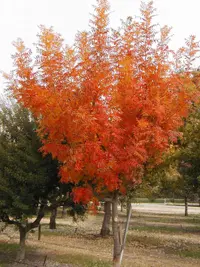
Chinese pistache
Pistacia chinensis
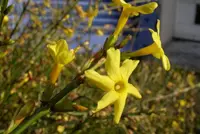
Winter jasmine
Jasminum nudiflorum
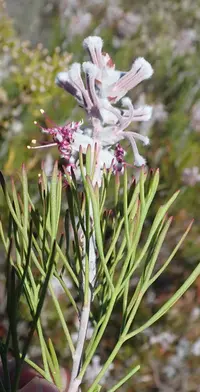
Longhead Sceptre
Paranomus dispersus

Small-flowered Black Hawthorn
Crataegus pentagyna
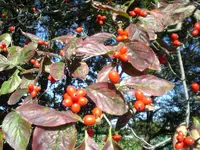
flowering dogwood
Cornus florida
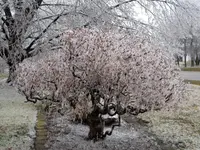
Harry Lauder's Walking Stick
Corylus avellana 'Contorta'

Japanese flowering cherry
Prunus serrulata
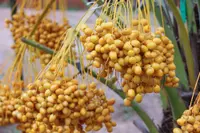
date palm
Phoenix dactylifera