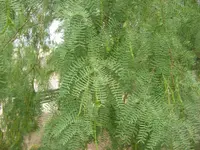
camphortree Care (Cinnamomum camphora)

Also known as: Camphor laurel, Camphorwood, Camphor, Gum Camphor, Japanese Camphor, Oil Of Camphor
camphortree

About camphortree

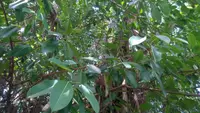
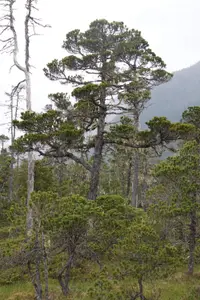
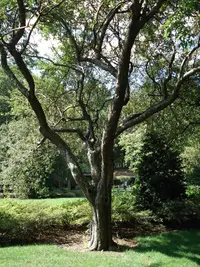
Camphortree, Cinnamomum camphora, is an evergreen tree from the laurel family, valued for its dense canopy and aromatic foliage. It develops a broad, rounded crown and can become a large landscape tree in mild climates.

This species is native to East Asia but is widely planted in warm regions as a shade and street tree. The leaves and wood contain camphor, which gives a strong scent when crushed and contributes to its pest resistance.

It is generally robust and long lived, but its eventual size and vigorous root system make it unsuitable for small gardens or containers. To care for camphortree successfully, provide sun, well drained soil, and moderate moisture without prolonged waterlogging.

Main Plant Requirements

Care Difficulty

Moderate Care

Light Preference

Full Sun

Water Requirements

Moderate Water

Temperature Preference

Warm Climate

Hardiness Zone

9–11

Soil Texture

Sandy, Loamy, Organic-rich

Soil pH

Acidic (5.5–6.5), Slightly acidic (6.5–7.0)

Soil Drainage

Well-drained

Fertilization

Minimal (feed rarely)

Get Personalized Care Plan

Scan your plant to receive care tips personalized for your specific plant

Available on iOS and Android

How to Care for the camphortree

This species prefers bright, direct light but benefits from some daily shade in hot climates.

  • Provide 6–8 hours of sun daily, ideally with morning sun and light afternoon shade to reduce leaf scorch in summer.
  • Young trees handle light or dappled shade, but dense shade slows growth and produces sparse, elongated shoots.
  • In hot, dry regions, protect camphortree from intense mid-afternoon sun with neighboring trees, buildings, or 30–40% shade cloth.

Cinnamomum camphora prefers evenly moist, well-drained soil once established.

  • Water when the top 3–5 cm of soil feels dry, focusing on slow, deep soaking that reaches the root zone rather than frequent light splashes.
  • During the first 2–3 growing seasons, monitor weekly in warm weather; in cool or rainy periods, skip watering if soil remains slightly moist.
  • Yellowing leaves and soft, soggy soil indicate overwatering or poor drainage, while dull, curling leaves and dry cracks in soil suggest underwatering.

This tree thrives in mild to warm climates with limited frost exposure.

  • Optimal growth occurs around 65–85°F (18–29°C), with steady warmth in spring and summer promoting faster shoot and root development.
  • Mature trees tolerate brief drops to about 20–25°F (-6 to -4°C), but young plants are more tender and can suffer bark or leaf damage near freezing.
  • Sustained heat above 95°F (35°C) can stress trees; mulch the root zone and ensure soil moisture is stable during hot, dry spells, especially in late summer.

This species handles a fairly wide humidity range but benefits from moderately moist air in dry indoor climates.

  • Aim for 40–60% relative humidity to reduce leaf edge browning and maintain steady growth.
  • It tolerates typical heated-room dryness, but prolonged air below 30% may cause leaf tip scorch and minor drop.
  • Increase humidity with a nearby humidifier, grouped plants, or an evaporative tray, rather than misting foliage directly.

Cinnamomum camphora prefers airy, free-draining soil that still holds moderate moisture and organic matter.

  • Use a loamy mix with roughly 50–60% composted organic material, 20–30% coarse sand, and 10–20% perlite or fine bark for structure.
  • Ensure rapid drainage so water runs through within seconds; avoid compacted, sticky, or waterlogged substrates that suffocate roots.
  • Target a slightly acidic to neutral pH around 6.0–7.0, avoiding very alkaline or saline soils that restrict nutrient uptake.
  • Improve aeration in heavy ground or mixes by incorporating coarse sand, pine bark fines, or perlite throughout the root zone, not just on top.

This species can be grown in containers for many years if the pot supports its vigorous, woody root system and above-ground size.

  • Select a deep, wide container with a low center of gravity to counteract wind leverage on the developing canopy.
  • Choose a heavier material such as ceramic or thick-walled terracotta to improve stability and moderate rapid moisture swings.
  • Raise the pot slightly on feet or blocks so drainage holes stay clear and excess water can exit quickly after heavy watering or rain.

This evergreen responds to moderate feeding but established trees on decent soil often need little added fertilizer.

  • Use a balanced slow-release fertilizer (such as 10-10-10) or well-rotted compost in early spring for container or nutrient-poor-site camphortree.
  • Apply 1–2 times during the growing season, keeping granules away from the trunk and watering in well.
  • Use half-strength liquid balanced fertilizer for young potted plants every 4–6 weeks in spring–summer.
  • Stop feeding in late summer and avoid fertilizing during fall–winter to prevent soft, frost-prone growth.

Cinnamomum camphora benefits from light, structured pruning to maintain a strong frame and safe clearance.

  • Carry out main pruning in late winter or very early spring before active growth begins.
  • Remove dead, diseased, rubbing, or crossing branches first, then thin congested interior shoots to improve airflow.
  • Shorten or remove poorly placed limbs to develop a single strong leader and balanced canopy shape.
  • Use sharp, clean bypass pruners or a pruning saw, making clean cuts just outside the branch collar.

This tree is usually grown in the ground, so management focuses on careful transplanting of young specimens.

  • Transplant in late fall or early spring when soil is workable and temperatures are mild, reducing stress.
  • Look for circling roots in nursery containers and gently tease them apart before planting to encourage outward growth.
  • Plant at the same soil level as in the pot, backfill with native soil, and water deeply to settle air pockets.
  • Mulch 5–8 cm around, but not touching, the trunk and keep soil evenly moist for the first 1–2 growing seasons.

Cinnamomum camphora is usually raised from seed or semi-hardwood cuttings under controlled conditions.

  • Collect ripe seeds in late summer–fall, clean off pulp, and sow fresh in a well-drained, sterile mix.
  • Provide warm conditions of about 70–80°F and consistent moisture; germination can be slow and irregular.
  • Take semi-hardwood cuttings in late summer, use rooting hormone, and place in a humid, bright, indirect-light environment.
  • Maintain high humidity with a dome or misting, but keep the medium airy to limit rotting of the base.

Established trees are moderately cold hardy but young plants benefit from simple winter precautions in colder regions.

  • In areas below about 20°F, site selection and shelter from wind become important for long-term survival.
  • Apply 5–8 cm of organic mulch over the root zone in late fall, keeping it slightly away from the trunk.
  • Wrap young trunks with breathable tree wrap in the first winters to reduce bark splitting and sunscald.
  • Move container-grown plants into a bright, cool, frost-free space when repeated freezes are forecast.

Care Tips

Establish a clear trunk

During the first 3–5 years, remove only competing leaders and low, crowded side branches to develop a single strong trunk and stable branch framework for long-term structure.

Manage surface roots

Install a 5–8 cm deep organic mulch ring out to the dripline and keep turf grass away from the base to discourage surface roots from lifting lawn and paving.

Root-prune before transplant

If planning to move a young tree, root-prune in a circle 20–30 cm inside the future rootball 6–12 months in advance to stimulate fine feeder roots that improve transplant success.

Monitor for suckers

Check the base and any exposed roots 2–3 times per year and promptly cut off suckers and water sprouts flush with their point of origin to maintain energy in the main canopy when growing camphortree.

Plan for allelopathy

Avoid planting sensitive shallow-rooted shrubs directly under the canopy and use mulch instead, as leaf litter and roots can suppress some nearby plants through allelopathic compounds.

Common Pests and Diseases

Camphor leaf miner

This pest forms winding, blotchy mines inside young leaves, which may become distorted, pale, and drop prematurely.

Solution

Prune and destroy heavily infested young shoots, especially at the first sign of new mines, and encourage natural predators by maintaining plant diversity nearby. For persistent problems, apply a horticultural oil or spinosad spray targeted to new flushes of growth, coating both leaf surfaces thoroughly.

Camphor scale

These insects appear as small, domed bumps on stems and leaves, often accompanied by sticky honeydew and sooty mold.

Solution

Physically scrape or wipe off scales on small trees using a soft brush or cloth, and prune heavily infested twigs. For larger trees or severe infestations, use repeated applications of horticultural oil during crawler stages, and improve tree vigor through proper watering, mulching, and balanced fertilization as part of broader Cinnamomum camphora care.

Leaf spot

This disease causes circular to irregular brown or tan spots on leaves, sometimes with darker margins and premature leaf drop in humid conditions.

Solution

Remove and dispose of fallen and heavily spotted leaves to reduce inoculum, and avoid overhead watering to keep foliage dry. Improve airflow by thinning crowded branches, and if needed in ornamental settings, use a copper-based or other labeled fungicide during prolonged wet periods according to local guidelines.

Powdery mildew

This disease produces a white, powdery coating on young leaves and shoots, which can lead to distortion, yellowing, and reduced vigor in shaded or crowded conditions.

Solution

Increase light and airflow by selective pruning, and avoid excessive nitrogen that promotes soft, susceptible growth. At first signs, remove heavily affected shoots and consider sulfur or potassium bicarbonate sprays labeled for ornamental trees, applied in cool, dry conditions to protect new foliage.

Root-knot nematodes

These microscopic worms attack roots, producing galls or swellings that reduce water and nutrient uptake, leading to stunted growth and sparse foliage in young or stressed trees.

Solution

For affected young trees, remove and destroy severely damaged plants and avoid replanting camphor in the same spot without a long rotation. Improve soil health with organic matter, maintain even moisture without waterlogging, and consider using resistant understory plants or soil solarization in warm climates to reduce nematode populations before replanting.

Interesting Facts

Camphor storage cells

The leaves, bark, and wood contain specialized oil cells that store camphor-rich essential oil, which can be seen as tiny translucent dots when a leaf is held against the light.

Invasive tree behavior

Outside its native range in East Asia, this species has become invasive in parts of the southeastern United States and Australia, where dense stands can outcompete native plants and alter understory plant communities.

Evergreen aromatic canopy

The tree forms a broad, dense evergreen crown and releases a strong camphor scent when leaves or twigs are crushed, which may help reduce herbivory by making the foliage less attractive to some insects and animals.

Botan icon

Did you know?

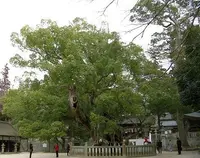
Mature camphor trees can live for several centuries and develop massive trunk girths, and some long-revered specimens in East Asia are estimated, based on historical records and growth studies, to be well over 1,000 years old, making them important cultural and landscape landmarks.

FAQs about camphortree

This species is generally fast-growing, especially in warm climates with adequate moisture and space. Young trees can put on significant height each year, then slow as they mature and invest more energy into trunk and root thickening.

Grow Healthy Plants with Botan Care

Keep your plants happy and healthy with plant identification, disease detection, and easy care guidance.


Botan plant care app — identify plants on mobile

Explore More Plants