Aichryson tortuosum Care

Aichryson tortuosum

About Aichryson tortuosum

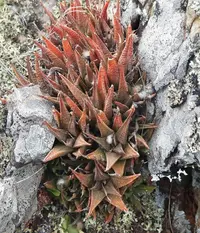
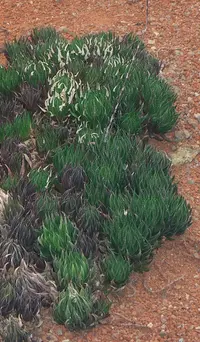
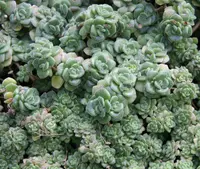
Aichryson tortuosum is a small, branching succulent from the Canary Islands, often grown as a compact houseplant. It forms dense cushions of short, twisted stems with tiny, fleshy leaves. The foliage is usually green to gray-green and may feel slightly hairy. In good conditions it can produce small, star-shaped yellow flowers on short stalks. This species stays relatively low and slow-growing, which makes it suitable for windowsills and small indoor spaces. It prefers bright, indirect light, very well-drained soil, and careful, moderate watering. With its restrained growth and drought tolerance, many growers find it straightforward to care for Aichryson tortuosum.

Main Plant Requirements

Care Difficulty

Moderate Care

Light Preference

Partial Sun

Water Requirements

Low Water

Temperature Preference

Tropical / Frost Sensitive

Hardiness Zone

10–11

Soil Texture

Sandy, Loamy, Rocky

Soil pH

Slightly acidic (6.5–7.0), Neutral (7.0)

Soil Drainage

Well-drained

Fertilization

Minimal (feed rarely)

Get Personalized Care Plan

Scan your plant to receive care tips personalized for your specific plant

Available on iOS and Android

How to Care for the Aichryson tortuosum

This compact succulent prefers bright, indirect light with limited direct sun exposure.

  • Provide 4–6 hours of bright, indirect light daily; gentle morning sun is suitable, but protect from harsh midday and afternoon rays, especially in summer.
  • In hot climates, grow Aichryson tortuosum in lightly filtered sun or light partial shade to prevent leaf scorch and excessive leaf drop.
  • If stems stretch or leaves lose density, increase light by moving it to a brighter spot or providing unobstructed morning sun, especially in winter.

This species stores moisture in its tissues and needs a careful, sparing watering approach.

  • Allow the top 2–4 cm of soil to dry fully before watering, then water thoroughly so excess drains away, avoiding standing water around the roots.
  • Reduce watering in fall and winter, waiting until the soil is dry deeper down, as lower light and cooler temperatures slow growth and water use.
  • Watch for soft, yellowing, or translucent leaves as signs of overwatering, and crisp, wrinkled leaves with drooping stems as indicators of underwatering.

This plant thrives in mild, frost-free conditions with moderate warmth year-round.

  • Aim for daytime temperatures around 65–75°F (18–24°C) for best growth, with slightly cooler nights around 55–65°F (13–18°C).
  • Protect from frost; growth stops near 40°F (4°C), and prolonged exposure below 32°F (0°C) can kill tissues, especially young shoots and roots.
  • In heat above 85°F (29°C), provide light shade and good airflow, and avoid hot, reflective surfaces that can overheat the shallow root zone.

This compact succulent stays healthy in relatively dry household air if extremes are avoided.

  • Target 30–50% humidity, which most heated or cooled homes already provide.
  • Tolerates drier air, but very hot, drafty spots can cause leaf shriveling and crispy edges.
  • If air is extremely dry, group pots together on a pebble tray with water below the pot base to slightly raise local humidity.

Use a very free-draining, gritty mix to protect the fine roots of Aichryson tortuosum from rot.

  • Choose a sandy or gritty texture with 30–50% mineral components such as coarse sand, perlite, or pumice for fast drainage.
  • Aim for a slightly acidic to neutral pH around 6.0–7.0, which standard succulent or cactus mixes usually provide.
  • Blend 1 part all-purpose potting mix with 1–2 parts perlite or pumice and a small amount of fine bark to improve aeration.
  • Avoid heavy, peat-dense or clay-based soils that stay wet for more than 2–3 days after watering.

This species is well suited to container growing due to its compact, shallow root system.

  • Select a low, wide pot to stabilize the spreading canopy and reduce the risk of the plant tipping over.
  • Use unglazed terracotta if the mix tends to stay wet, since the porous walls allow faster evaporation.
  • Ensure drainage holes are fully exposed above any decorative cover pot so excess water can escape immediately.

Feeding is modest but helps Aichryson tortuosum maintain compact, healthy growth in containers.

  • Use a balanced liquid fertilizer (around 10-10-10) diluted to 25–50% strength for container plants.
  • Feed every 4–6 weeks during the active growing season in spring and summer only.
  • Avoid fertilizing in late fall and winter when growth slows or plants rest.
  • Never apply fertilizer to dry soil; water lightly first to reduce root burn risk.

Thoughtful pruning keeps Aichryson tortuosum dense, tidy, and longer-lived.

  • Carry out light shaping in late winter or early spring before strong new growth starts.
  • Remove dead, damaged, or crossing stems with clean, sharp scissors or small pruners.
  • Shorten overly long shoots to encourage branching and a compact, bushy habit.
  • Pinch spent flower stems at the base to direct energy back into foliage growth.

Container-grown plants benefit from occasional repotting to maintain healthy roots and stable growth.

  • Check for roots circling the pot, pushing through drainage holes, or noticeably slowed growth as signs to repot Aichryson tortuosum.
  • Plan repotting for spring, every 2–3 years, when active growth supports faster recovery.
  • Move into a pot only 2–3 cm wider, using a free-draining, gritty succulent mix.
  • Handle the root ball gently, tease circling roots slightly, water lightly after repotting, and keep in bright shade for 3–5 days.

New plants are most often produced from stem cuttings rather than seed.

  • Take 5–8 cm non-flowering stem cuttings from Aichryson tortuosum in spring or early summer.
  • Let cut ends dry and callus for 1–2 days to reduce rot risk before planting.
  • Insert cuttings into a barely moist, gritty mix under bright, indirect light at 68–75°F.
  • Keep humidity moderate and avoid overwatering until firm roots form in 2–4 weeks.

Cold protection is important because this succulent is sensitive to freezing temperatures.

  • Keep plants above 40°F; prolonged exposure near or below 32°F can damage foliage and stems.
  • Move containers indoors or into a bright, cool, frost-free room for winter.
  • Reduce watering significantly, allowing the soil to dry almost completely between light waterings.
  • Provide as much bright, indirect light as possible to prevent weak, stretched growth.

Care Tips

Timed pinch pruning

Pinch back the soft tips of leggy stems in late winter or early spring to keep the plant compact and encourage a denser, dome-shaped canopy.

Rotating for symmetry

Rotate the pot 90° every 1–2 weeks during active growth so all sides receive similar light, which prevents one-sided, leaning growth and keeps the rosette mound even.

Targeted pest scouting

Inspect the tight leaf clusters and lower stem joints every few weeks with a hand lens, since mealybugs and aphids often hide in these spots and are easier to control when caught early.

Strategic stem support

If stems become elongated and floppy, insert a low, discreet ring stake or a few small pebbles around the base to support the crown and prevent breakage at the soil line.

Planned propagation refresh

Every 2–3 years, take several healthy stem cuttings in spring, root them in a small tray or pot, and use these to replace or reinforce older, woody plants as part of long-term Aichryson tortuosum care.

Common Pests and Diseases

Mealybugs

This pest often hides in leaf axils and along succulent stems, sucking sap and causing yellowing, wilting, and sticky honeydew on leaves. Symptoms include distorted new growth and a white, cotton-like residue in tight crevices.

Solution

Isolate the plant, then dab visible mealybugs with cotton swabs dipped in 70% isopropyl alcohol and gently wipe affected areas. Repeat every 5–7 days until no new insects appear and, for heavier infestations, use a systemic insecticide labeled for indoor succulents while also improving light and air movement to strengthen the plant.

Aphids

These insects cluster on tender shoot tips and flower stems, feeding on sap and causing curling, sticky leaves and stunted growth. This pest also produces honeydew, which can lead to sooty mold on the foliage surface.

Solution

Rinse the plant thoroughly with a gentle stream of lukewarm water to dislodge colonies, then apply an insecticidal soap or neem oil spray, covering both leaf surfaces and stems. Repeat treatments every 5–7 days until populations drop, and avoid excess nitrogen fertilization that encourages soft, aphid-prone growth when growing Aichryson tortuosum indoors.

Spider mites

These pests thrive in warm, dry indoor air and feed on leaf sap, causing fine stippling, dull foliage, and in heavier infestations, delicate webbing between leaves and stems. Symptoms include gradual leaf drop and general decline if not controlled.

Solution

Increase ambient humidity slightly and rinse the plant under a soft spray, paying attention to the undersides of leaves, then apply a miticide or neem oil spray specifically labeled for spider mites. Repeat applications as directed and keep the plant away from hot, dry drafts to reduce future outbreaks.

Powdery mildew

This disease appears as white, powdery patches on leaves and stems, often starting on older foliage in conditions with poor air circulation. Symptoms include dull, mottled leaves that can yellow and drop prematurely if infection is severe.

Solution

Remove and discard the most affected leaves, then improve airflow around the plant by spacing it away from other pots and avoiding overhead watering late in the day. Apply a sulfur-based or potassium bicarbonate fungicide labeled for ornamentals, following label rates, and keep the foliage as dry as possible to limit further spread.

Basal stem rot

This disease starts at the base of the succulent stems, where tissues become soft, brown, and water-soaked, often following chronic overwatering and cold, wet conditions. Symptoms include sudden collapse of stems and leaf drop from the lower part of the plant.

Solution

Cut away and discard all affected basal sections with sterile tools, keeping only firm, healthy stems, and re-root salvaged cuttings in a fresh, sharply draining succulent mix. Adjust watering so the substrate dries thoroughly between waterings, ensure a pot with large drainage holes, and maintain temperatures above 60°F to prevent recurrence of this rot problem.

Interesting Facts

Canary Islands endemic

This species is naturally restricted to the Canary Islands, where it grows on rocky slopes and cliffs in mild, ocean-influenced conditions.

Short-lived rosette shrub

It forms many small, woody, twisting stems topped with leafy rosettes and is considered a relatively short-lived perennial compared with many other succulent shrubs.

Starry yellow flowers

In suitable conditions it produces loose clusters of small, bright yellow, star-shaped flowers that contrast strongly with its compact, dark green foliage.

FAQs about Aichryson tortuosum

This species adapts to both, but is usually more reliable indoors or in sheltered patios where temperature and moisture are stable. Outdoors, it performs best in mild, frost-free climates with protection from prolonged rain and intense midday sun.

Grow Healthy Plants with Botan Care

Keep your plants happy and healthy with plant identification, disease detection, and easy care guidance.

Botan plant care app — identify plants on mobile

Explore More Plants