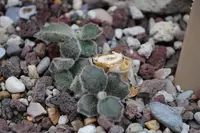
Spiderweb Haworthia Care (Haworthia arachnoidea)

Spiderweb Haworthia

About Spiderweb Haworthia

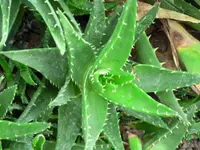
Spiderweb haworthia (Haworthia arachnoidea) is a small, slow-growing succulent from arid regions of South Africa. It forms tight rosettes of pointed, fleshy leaves. Fine white bristles along the leaf edges create a web-like look, which gives this plant its common name. Plants stay compact, so they suit windowsills, desks, and small containers. This species stores water in its leaves and tolerates some neglect, which makes it forgiving for beginners. It prefers bright, indirect light, a gritty, fast-draining soil mix, and infrequent watering. Understanding how to care for Spiderweb Haworthia is mostly about avoiding overwatering and heavy, compact soils.

Main Plant Requirements

Care Difficulty

Easy Care

Light Preference

Bright Indirect Light

Water Requirements

Low Water

Temperature Preference

Tropical / Frost Sensitive

Hardiness Zone

10–11

Soil Texture

Sandy, Loamy, Rocky

Soil pH

Acidic (5.5–6.5), Slightly acidic (6.5–7.0)

Soil Drainage

Well-drained

Fertilization

Minimal (feed rarely)

Get Personalized Care Plan

Scan your plant to receive care tips personalized for your specific plant

Available on iOS and Android

How to Care for the Spiderweb Haworthia

This small succulent prefers bright, indirect light with some protection from harsh midday sun.

  • Provide 4–6 hours of bright, filtered light daily; gentle morning sun with afternoon shade suits Spiderweb Haworthia well, especially in warmer climates.
  • Outdoors, place where it gets dappled light or east-facing sun; indoors, set near a bright window with sheer curtain or light obstruction to avoid scorch.
  • Too much direct midday sun causes bleaching and crispy tips, while very low light leads to elongated, pale leaves; increase light gradually in spring to avoid shock.

This drought-tolerant succulent stores water in its leaves and prefers infrequent, thorough watering.

  • Allow the top 3–5 cm of soil to dry completely before watering, then soak the root zone and let excess water drain away quickly through a gritty, fast-draining mix.
  • In spring and summer, expect to water more often during active growth; in fall and winter, reduce frequency sharply, sometimes to every few weeks depending on drying time.
  • Signs of overwatering include mushy, translucent leaves and blackened roots, while very dry, wrinkling leaves and slow recovery after watering indicate Haworthia arachnoidea is too dry.

This species prefers moderate, stable temperatures without frost or extreme heat.

  • Aim for 65–80°F (18–27°C) during active growth, as this range supports steady root and leaf development without stress.
  • Protect from cold below 40°F (4°C); short dips to 35°F (2°C) may be survived if dry, but repeated or hard frosts can cause tissue damage or plant loss.
  • In hot weather above 90°F (32°C), provide shade and airflow; high heat combined with strong sun and dry soil can lead to leaf shriveling and stalled growth.

This species tolerates typical indoor humidity and usually does not need special adjustment.

Haworthia arachnoidea needs a very fast-draining, mineral-rich substrate to protect its fleshy roots from rot.

  • Use a gritty mix such as 50–70% inorganic material (pumice, perlite, coarse sand) with 30–50% cactus potting mix.
  • Aim for slightly acidic to neutral pH around 6.0–7.0, avoiding strongly acidic or alkaline blends that can limit nutrient uptake.
  • Incorporate coarse particles 3–6 mm to improve aeration and prevent fine particles from compacting around the roots.
  • Avoid peat-heavy, moisture-retentive, or clayey mixes that stay wet for more than 2–3 days after a thorough watering.

This compact succulent is highly suitable for container growing.

  • Choose a shallow but wide pot that matches the short, fibrous root system and reduces unused, wet substrate at the bottom.
  • Select unglazed terracotta if extra evaporation is needed in cooler, low-light locations to keep the mix from staying wet too long.
  • Use a pot with multiple or wide drainage holes so water exits quickly and the gritty mix does not clog or form a soggy layer at the base.

This compact succulent has modest nutrient needs, so light feeding is enough for healthy Spiderweb Haworthia growth.

  • Use a balanced liquid cactus or succulent fertilizer (around 10-10-10) diluted to 25–50% strength.
  • Feed every 4–6 weeks during the warm growing season when light is strong and growth is active.
  • Stop or reduce feeding to once in winter at very low strength, as growth slows in cool, low-light conditions.
  • Avoid compost-heavy mixes or slow-release pellets that can hold excess moisture and increase rot risk in the roots.

Haworthia arachnoidea needs minimal pruning, focused mainly on cleanliness and maintaining rosette shape.

  • Any time of year, gently remove dried, yellow, or damaged leaves at the base to prevent decay and pests.
  • Thin out crowded offsets only when needed to improve air flow and keep each rosette distinct.
  • Use clean, sharp scissors or small pruning snips, disinfected with alcohol, to reduce disease spread.
  • Remove spent flower stalks near the base after blooming to tidy the plant and direct energy back to vegetative growth.

This slow-growing succulent prefers slightly snug pots and only occasional repotting.

  • Plan to repot every 3–4 years, or when roots circle the pot, mix dries extremely fast, or growth becomes noticeably slow.
  • Repot in spring or early summer using a shallow container and gritty, fast-draining cactus/succulent mix.
  • Slide the plant out gently, tease roots lightly, and remove old, soggy soil without breaking healthy roots.
  • After repotting Haworthia arachnoidea, keep it dry for 3–5 days in bright, indirect light, then resume light watering to limit transplant shock.

This species is commonly propagated from offsets, with seeds used mainly by collectors or breeders.

  • Divide offsets in spring or early summer when rosettes are firm and roots are visible.
  • Gently separate pups with a clean knife if needed, keeping some roots attached to each division.
  • Allow cut surfaces to dry and callus for 1–3 days, then plant in a gritty, barely moist succulent mix.
  • For seeds, provide bright indirect light, warmth around 70–75°F, and consistently slightly moist but airy substrate.

This succulent is not frost hardy and needs simple, controlled winter conditions in most climates.

  • Keep indoor temperatures around 50–60°F in winter, avoiding drafts and cold windowsills that can chill roots.
  • Move outdoor containers indoors before temperatures drop near 40°F, using bright, indirect light.
  • Water sparingly, letting soil dry almost completely between waterings to reduce rot in cool conditions.
  • Ensure the potting mix stays free-draining; never leave the plant sitting in cold, standing water during winter.

Care Tips

Rotate For Symmetry

Turn the pot 90° every 2–3 weeks so all sides receive similar light, which keeps the rosette compact and prevents it from leaning or flattening on one side.

Use Top Dressing

Add a 0.5–1 in layer of clean coarse grit or small stones on the soil surface to keep the leaf base dry, reduce algae and fungus gnat issues, and visually mark where not to splash water.

Stress Coloring Control

For stronger leaf markings and tighter growth, expose the plant to slightly brighter light in late spring and summer, but pull it back a bit if leaf tips bleach or turn crispy to avoid long-term damage.

Summer Rest Adjustment

In hot periods above about 86°F, slightly reduce watering frequency and avoid repotting or dividing, since the plant shifts into a semi-dormant phase and recovers better when disturbed in cooler seasons.

Safe Offshoot Division

When offsets have at least 5–6 leaves and visible roots, separate them with a sterile knife, let the cuts dry for 2–3 days, then pot them in barely moist mix to reduce rot risk when growing Spiderweb Haworthia.

Common Pests and Diseases

Mealybugs

This pest appears as small white cottony clusters tucked between leaves and at the base of the rosette, where it feeds on plant sap and weakens the plant over time. Symptoms include stunted growth, yellowing, and sticky honeydew on the leaves or pot surface.

Solution

Isolate the plant, then remove visible insects with a cotton swab dipped in 70% isopropyl alcohol, especially deep in the leaf bases. Continue spot treatment weekly until no new insects appear, and improve air movement and avoid overfertilizing to make Haworthia arachnoidea less attractive to reinfestation.

Root mealybugs

This pest lives in the root zone and appears as white cottony masses on roots, in the potting mix, and around drainage holes, often causing slow decline and poor growth without obvious signs above the soil at first. Symptoms include a plant that stays soft or shriveled despite correct watering and a powdery residue on roots when unpotted.

Solution

Unpot the plant, wash off all soil, and rinse the roots thoroughly, then remove heavily infested or dead roots with sterile scissors. Soak the root system briefly in a diluted systemic insecticide or 70% alcohol solution, repot into fresh, fast-draining succulent mix, and keep slightly drier for 7–10 days while monitoring for any reinfestation.

Aloe mite (eriophyid mite)

This pest causes distorted, rough, or blistered tissue, especially on leaf tips and margins, sometimes forming tumor-like growths called galls. Symptoms include oddly thickened or warty areas that do not match the normal leaf pattern or windowing of the rosette.

Solution

Promptly remove and discard all distorted leaves and, if the crown is affected, cut back to clean, normal tissue with sterile tools, then dispose of all infected material in the trash, not compost. After pruning, treat remaining tissue with a targeted miticide labeled for eriophyid mites, keep the plant isolated, and avoid overcrowding to reduce spread to nearby succulents when caring for Spiderweb Haworthia.

Fungal leaf spots

This disease produces small, sunken, brown to black spots that may enlarge and coalesce, often starting on lower or shaded leaves exposed to prolonged moisture. Symptoms include discolored patches that feel slightly soft at first and may later dry and scar.

Solution

Remove and discard affected leaves, then water only at the soil level and keep the rosette as dry as possible, especially at night. Improve light and airflow around the plant, and if spotting continues, apply a sulfur-based or copper-based fungicide lightly to the foliage following label directions, ensuring the plant dries quickly after treatment.

Bacterial soft rot

This disease starts as a localized soft, water-soaked area at the leaf base or crown that quickly becomes mushy and foul-smelling, often spreading rapidly through the rosette. Symptoms include collapsing leaves that detach easily and a wet, slimy texture inside the affected tissue.

Solution

Immediately remove the plant from its pot, cut away all soft, discolored tissue with sterile tools back to firm, healthy material, and discard severely affected plants if the crown is mostly rotted. For salvageable plants, dust cut surfaces with sulfur or cinnamon, allow them to dry several days in a warm, airy place, then re-root in a very fast-draining, mostly mineral mix while keeping watering minimal until new roots form.

Interesting Facts

Leaf spiderweb effect

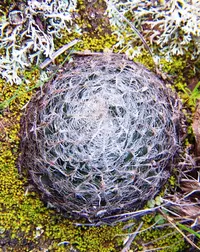
The rosette leaves develop translucent, thread-like marginal teeth and fine surface fibers that create a spiderweb appearance, an adaptation that slightly diffuses intense sunlight in its native habitat.

Rock crevice specialist

In the wild this species often grows tightly wedged into rock crevices or shallow, gritty soil pockets in South Africa, which helps protect the roots from heat and rapid moisture loss.

Seasonal growth rhythm

It shows strongest growth during the cooler months in its native climate, then slows significantly in hot, dry periods, an adaptation that reduces water stress in semi-arid environments and is important to understand for Haworthia arachnoidea care.

FAQs about Spiderweb Haworthia

Lack of blooms often comes from insufficient light, a pot that is too large, or a very young rosette. Slightly cooler, drier winter rest and stable, moderate feeding levels usually support flowering in mature plants.

Grow Healthy Plants with Botan Care

Keep your plants happy and healthy with plant identification, disease detection, and easy care guidance.

Botan plant care app — identify plants on mobile

Explore More Plants