Pinch for branching
Pinch out soft stem tips after a flowering cycle to encourage compact, multi-stemmed growth and more bloom sites on future cycles.

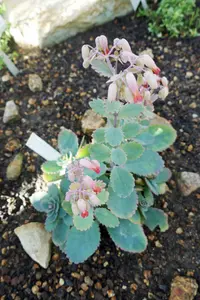
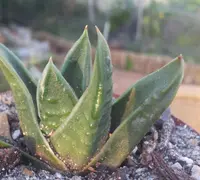
Kalanchoe serrata is a compact succulent shrub known for its thick, serrated leaves and clusters of small, tubular flowers. The foliage often shows red or bronze tones in strong light. Native to Madagascar and nearby regions, it is adapted to dry, sunny habitats and stores water in its leaves. This makes it relatively forgiving of occasional missed waterings. It suits bright indoor locations or warm outdoor climates where frost is rare. Light, fast-draining soil and careful watering are the main points to watch when learning how to care for Kalanchoe serrata.

Care Difficulty
Easy Care

Light Preference
Full Sun

Water Requirements
Low Water

Temperature Preference
Tropical / Frost Sensitive

Hardiness Zone
10–12

Soil Texture
Sandy, Loamy, Rocky

Soil pH
Slightly acidic (6.5–7.0), Neutral (7.0)

Soil Drainage
Well-drained

Fertilization
Light (every 4–6 weeks)
Scan your plant to receive care tips personalized for your specific plant
Available on iOS and Android
This succulent prefers bright, direct light but needs protection from intense afternoon sun in hot climates.
This species stores water in its leaves and prefers thorough but infrequent watering.
This plant prefers warm, frost-free conditions with stable temperatures.
This species handles typical indoor humidity well and rarely needs special adjustment.
This succulent needs a very free-draining, mineral-rich mix to prevent root rot.
This species is well suited to container growing.
Light feeding supports compact growth and flowering in Kalanchoe serrata without encouraging weak, soft tissue.
Targeted pruning keeps Kalanchoe serrata compact, encourages branching, and maintains healthy foliage.
Container-grown Kalanchoe serrata benefits from infrequent repotting to refresh the mix and give roots modest extra space.
New Kalanchoe serrata plants are most often produced from stem cuttings taken during the warm growing season.
This succulent is frost tender and needs protection in regions with freezing winter temperatures.

Plant Health Check
Not sure what's wrong with your plant? Check your plant's health inside the app.
In the wild, this species commonly grows in thin soils of rocky slopes and crevices in East Africa, using its fleshy roots and compact rosettes to anchor itself where many other plants cannot survive.
The leaf edges often turn red to purple under strong light because of anthocyanins, protective pigments that help shield tissues from intense sun and ultraviolet radiation.
Its thick, serrated leaves function as water reservoirs, allowing the plant to maintain metabolism during extended dry spells typical of its native habitats, which is central to Kalanchoe serrata care in cultivation.
This species contains cardiac glycosides, compounds that can affect heart function. It is considered toxic to pets and livestock and potentially harmful to humans if ingested. Keep out of reach and avoid chewing leaves or stems.
Keep your plants happy and healthy with plant identification, disease detection, and easy care guidance.