Windwise placement
Site plants where they receive gentle air movement but are protected from strong, drying winds, using a hedge or openwork fence as a windbreak in exposed gardens.

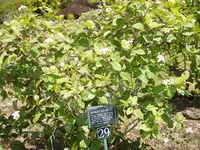
White Kauai rosemallow, Hibiscus waimeae, is a small evergreen tree or large shrub native to the wet and mesic forests of Kauai in Hawaii. It is one of the few hibiscus species with naturally fragrant flowers, bearing large white blooms that often age to soft pink. Plants have glossy green foliage and a rounded, bushy habit that suits gardens, hedges, or larger containers in warm climates. In suitable conditions it is moderately easy to grow, but it dislikes frost and strong, drying winds. It prefers bright light, regular moisture, and well-drained soil, and understanding these needs helps gardeners care for white Kauai rosemallow successfully.

Care Difficulty
Moderate Care

Light Preference
Partial Sun

Water Requirements
Regular Water

Temperature Preference
Tropical / Frost Sensitive

Hardiness Zone
10–11

Soil Texture
Loamy, Sandy, Organic-rich

Soil pH
Slightly acidic (6.5–7.0), Neutral (7.0)

Soil Drainage
Moist but well-drained

Fertilization
Minimal (feed rarely)
Scan your plant to receive care tips personalized for your specific plant
Available on iOS and Android
Hibiscus waimeae thrives in bright, warm conditions with several hours of direct sun each day.
Hibiscus waimeae prefers evenly moist, well‑drained soil that never stays soggy for long periods.
This hibiscus performs best in warm, frost‑free climates with mild seasonal variation.
This species prefers moderately humid air but copes with typical household levels if not too dry.
This shrub performs best in deep, well‑structured, fast-draining soil that still holds some moisture.
This species is suitable for container growing when the pot is large and drainage-focused.
Hibiscus waimeae benefits from light, steady feeding rather than heavy fertilization.
Pruning Hibiscus waimeae helps maintain a balanced canopy and encourages better flowering.
Hibiscus waimeae is usually grown in the ground, so transplanting is more common than repotting.
Hibiscus waimeae is most often propagated by semi-hardwood cuttings, with seeds as a secondary option.
Hibiscus waimeae is adapted to mild, frost-free climates and does poorly in hard freezes.

Plant Health Check
Not sure what's wrong with your plant? Check your plant's health inside the app.
This species occurs naturally only on the Hawaiian island of Kauai, where it grows in mesic and wet forests, often along gulch slopes and ridges at mid‑elevations.
Unlike many hibiscus species, its large white flowers open during the day and are distinctly fragrant, with a sweet scent that is often most noticeable in the morning.
Freshly opened flowers are creamy white but typically turn light pink as they age within a single day, providing a clear visual cue of flower age and pollination stage.

Hibiscus waimeae is one of the few hibiscus species known to be primarily bird‑pollinated, with native Hawaiian honeycreepers visiting its prominent staminal column for nectar and transferring pollen between flowers.
Lack of flowers is usually linked to insufficient light intensity, low nutrients, or heavy pruning at the wrong time. Ensure strong light, balanced fertilizer, and only light shaping after flowering to support natural bud formation and blooming.
Keep your plants happy and healthy with plant identification, disease detection, and easy care guidance.