Bulb clump management
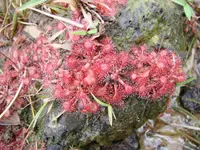
Lift and divide overcrowded clumps every 3–4 years in late summer after the foliage dies back to maintain good flowering and prevent bulbs from competing for nutrients.

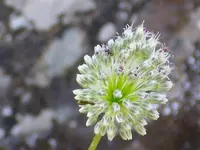
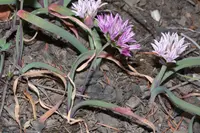
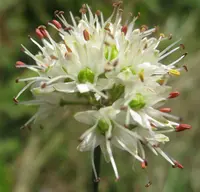
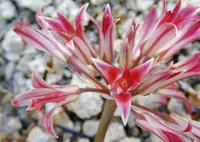
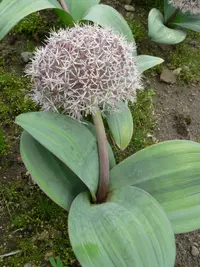
Spotted leek, Allium guttatum, is a small bulb-forming perennial from the onion genus, valued for its dotted, pink to purple flower heads. It typically grows in loose clusters, sending up narrow leaves and slender flowering stems that add fine texture to rock gardens and naturalistic plantings.
In the wild, it occurs in dry, often rocky habitats across parts of the Mediterranean and Near East. This origin makes it relatively undemanding, provided the soil drains well and does not stay wet for long periods.
It suits sunny, open sites and tolerates low to moderate moisture, which simplifies how to care for Spotted Leek in many home gardens.

Care Difficulty
Easy Care

Light Preference
Full Sun

Water Requirements
Low Water

Temperature Preference
Cold Hardy

Hardiness Zone
5–9

Soil Texture
Sandy, Loamy, Rocky

Soil pH
Slightly acidic (6.5–7.0), Neutral (7.0)

Soil Drainage
Well-drained

Fertilization
Minimal (feed rarely)
Scan your plant to receive care tips personalized for your specific plant
Available on iOS and Android
Allium guttatum prefers bright, open conditions similar to sunny meadows or rocky slopes.
Allium guttatum grows from a bulb and needs careful watering to avoid rot.
This bulb is adapted to climates with cool winters and warm, dry summers.
Humidity is rarely critical for this bulb, which performs well in typical dry household or outdoor air.
Allium guttatum prefers mineral, well-aerated soil that dries quickly after rain or watering.
This species is suitable for container growing when the pot is set up to drain and dry rapidly.
Allium guttatum has modest nutrient needs but responds well to light feeding in poor or exhausted soils.
Allium guttatum needs only light pruning to keep clumps tidy and support strong flowering.
Allium guttatum is usually grown in the ground and benefits from infrequent but careful lifting and transplanting of bulbs.
Allium guttatum is commonly propagated by bulb division and less often from seeds.
Allium guttatum is generally cold hardy and needs minimal winter care in most temperate climates.

Plant Health Check
Not sure what's wrong with your plant? Check your plant's health inside the app.
Allium guttatum occurs mainly in dry, open habitats across the eastern Mediterranean and Near East, including rocky slopes, steppe, and light scrub, showing clear adaptation to seasonally arid conditions.
This species often forms small aerial bulbils along the scape (flowering stem), which can drop off and root, giving it an additional, vegetative way to spread besides seed production.
The small, campanulate (bell-shaped) flowers are typically white to pinkish with dark reddish or purple spots on the tepals, a diagnostic feature used by botanists to distinguish it from closely related Allium species.

In parts of its native range, Allium guttatum contributes to early summer nectar resources for wild pollinators, as its umbels can flower when other herbaceous species have already dried back under Mediterranean drought, helping bridge a seasonal gap in floral availability.
Lack of flowering often comes from bulbs being too crowded, planted too shallow, or depleted after previous seasons. Insufficient winter chill, excessive shade, or heavy feeding with high-nitrogen fertilizer can also reduce bud formation and delay or prevent blooms.
Keep your plants happy and healthy with plant identification, disease detection, and easy care guidance.