


Mark Planting Spots
Place small, durable markers where bulbs are planted so you avoid disturbing them with digging or replanting nearby perennials during dormancy.

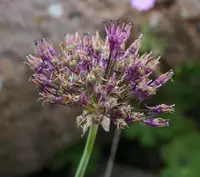
Allium cyrilli is a bulb-forming ornamental onion known for its spherical clusters of small, star-shaped purple flowers held on tall, slender stems. Foliage is typically narrow and grass-like, emerging from the bulb in a clump at the base.
This species is native to parts of the eastern Mediterranean, where it grows in open, sunny habitats with well-drained, often rocky soils. In gardens it is valued for its architectural flower heads, relatively low maintenance needs, and good tolerance of dry conditions once established.
Gardeners who want to care for Allium cyrilli should provide plenty of sun, moderately moist but free-draining soil, and protection from prolonged waterlogging, which can damage the bulbs.

Care Difficulty
Easy Care

Light Preference
Full Sun

Water Requirements
Moderate Water

Temperature Preference
Cold Hardy

Hardiness Zone
5–8

Soil Texture
Sandy, Loamy, Rocky

Soil pH
Slightly acidic (6.5–7.0), Neutral (7.0)

Soil Drainage
Well-drained

Fertilization
Minimal (feed rarely)
Scan your plant to receive care tips personalized for your specific plant
Available on iOS and Android
This bulb prefers bright, open conditions to build strong foliage and flower stems.
This ornamental onion needs moisture for root growth but dislikes prolonged wet soil.
This hardy bulb manages cool winters and mild to warm growing seasons if extremes are limited.
Humidity is not a key factor for Allium cyrilli, which thrives in typical outdoor air conditions.
Allium cyrilli grows best in loose, well-drained mineral soil that does not stay wet after rain or watering.
This species can be grown successfully in containers if the pot and medium control excess moisture around the bulbs.
This bulb benefits from modest feeding during active growth but does not need heavy fertilization.
This bulb requires minimal pruning, mainly to keep the planting tidy and support healthy flowering.
This ornamental allium is usually grown in the ground; focus on lifting and transplanting clumps rather than frequent repotting.
This species is most commonly propagated by bulb division, with seed used mainly for longer-term projects or breeding.
This hardy bulb generally needs little winter attention in the ground in most temperate climates.

Plant Health Check
Not sure what's wrong with your plant? Check your plant's health inside the app.
This species occurs naturally in coastal and subcoastal areas of southern Italy and the Balkans, especially on dry rocky slopes and scrub, reflecting its strong adaptation to calcareous, well-drained soils.
The plant produces showy, dome-shaped flower heads with many small, purple to lilac florets, which are particularly attractive to bees and other pollinating insects in late spring to early summer.
Allium cyrilli survives hot, dry summers by retreating into underground bulbs, then resprouts annually with strap-like leaves followed by tall flowering stalks up to about 60–80 cm.
This ornamental onion is technically edible, but it is not usually grown for culinary use. Flavor and texture are inferior to common kitchen alliums, so it is better treated as a decorative bulb rather than food.
Keep your plants happy and healthy with plant identification, disease detection, and easy care guidance.

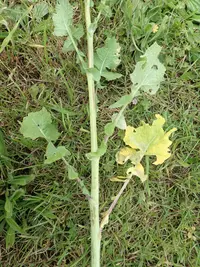
Brassica napus subsp. rapifera
Brassica napus subsp. rapifera
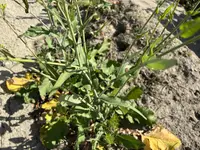
Field Mustard
Brassica rapa subsp. narinosa
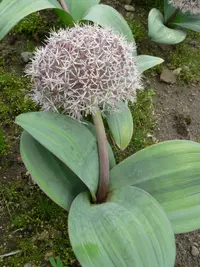
Turkestan onion
Allium karataviense
Spotted Leek
Allium guttatum
Allium ericetorum
Allium ericetorum
Olympic onion
Allium crenulatum
elongated mustard
Brassica elongata
Brassica oleracea var. acephala
Brassica oleracea var. acephala