Deep root training
Encourage a deeper root system by giving fewer but more thorough soakings early in the season, which helps plants access subsoil moisture and stay more resilient in summer winds and short dry spells.

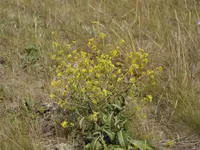
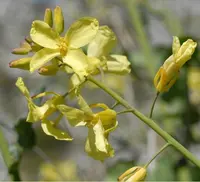
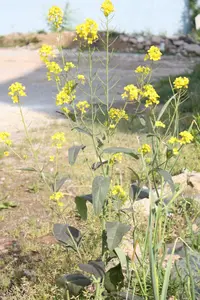
Elongated mustard, Brassica elongata, is a perennial herb in the mustard family, grown mainly for its upright habit and narrow leaves. It forms clumps with tall, branching stems and small yellow flowers, giving a loose, airy look in mixed plantings.
The species is native to parts of central and eastern Europe and western Asia, and in some regions it behaves like a self-seeding wildflower. It is generally easy to grow where winters are cold and summers are moderate. It prefers open, sunny sites with well-drained soil, and benefits from steady but not excessive moisture, which helps when planning how to care for elongated mustard.

Care Difficulty
Moderate Care

Light Preference
Full Sun

Water Requirements
Moderate Water

Temperature Preference
Cool Climate

Hardiness Zone
4–8

Soil Texture
Sandy, Loamy

Soil pH
Slightly acidic (6.5–7.0), Neutral (7.0)

Soil Drainage
Well-drained

Fertilization
Minimal (feed rarely)
Scan your plant to receive care tips personalized for your specific plant
Available on iOS and Android
This species prefers open, bright conditions that support strong vegetative growth.
Brassica elongata performs best in evenly moist but not waterlogged soil.
This cool-temperate brassica grows best in moderate temperatures without sharp extremes.
This species is adapted to dry, open habitats, so humidity is rarely a concern in home or garden conditions.
Brassica elongata prefers loose, mineral-rich soil that drains quickly yet supports steady root growth.
This species can be grown in containers if the pot is prepared to mimic its naturally dry, free-draining root environment.
This wild perennial usually grows acceptably in average soil, but targeted feeding can support healthier stands of elongated mustard in lean sites.
Pruning needs for Brassica elongata are light and mainly focused on maintaining vigor and preventing self-seeding where unwanted.
This species is usually grown in the ground, so focus on careful transplanting rather than frequent repotting.
Propagation of Brassica elongata is most practical from seed, with stem cuttings used less often.
This hardy perennial usually needs little winter care in temperate climates once established in well-drained soil.

Plant Health Check
Not sure what's wrong with your plant? Check your plant's health inside the app.
This species is naturally associated with dry, open steppe and rocky grassland habitats across parts of central and eastern Europe into western Asia, where it tolerates shallow, calcareous soils and pronounced summer dryness better than many other Brassica relatives.
It develops a strong, penetrating taproot that allows the plant to access deeper soil moisture and nutrients, which supports its longevity as a perennial herb in habitats that often experience seasonal drought.
The leaves are characteristically long and narrow for a mustard, which helps distinguish it in the field and may reduce water loss compared to the broader foliage typical of many cultivated Brassica crops.

In several parts of central Europe, this species is considered regionally threatened or rare because its native dry grassland habitats have declined through agricultural intensification and landscape changes, making it of conservation interest to local botanists and land managers.
This species grows moderately fast, often reaching flowering size in its second year under open, sunny conditions. Growth slows in poor, dry, or compacted soils. Regular light cultivation and adequate spacing support steady development without excessive competition from weeds.
Keep your plants happy and healthy with plant identification, disease detection, and easy care guidance.