Brassica oleracea var. acephala Care

About Brassica oleracea var. acephala

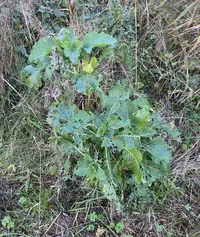
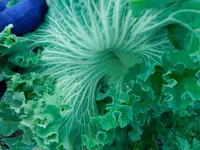
Brassica oleracea var. acephala is a leafy vegetable in the cabbage family, commonly known as kale and grown as a cool-season crop. It forms loose rosettes of curly or flat leaves instead of forming a compact head.

This plant likely originated in coastal regions of Europe and has been selected into many culinary and ornamental forms. Plants are usually sturdy and tolerant of lower temperatures, which makes them relatively easy to grow in many home gardens.

To care for Brassica oleracea var. acephala, provide full sun, consistent moisture, and fertile, well-drained soil. These traits make it suitable for both beginner and intermediate vegetable growers.

Main Plant Requirements

Care Difficulty

Moderate Care

Light Preference

Full Sun

Water Requirements

Regular Water

Temperature Preference

Cool Climate

Hardiness Zone

7–10

Soil Texture

Loamy, Sandy, Organic-rich

Soil pH

Acidic (5.5–6.5), Slightly acidic (6.5–7.0)

Soil Drainage

Moist but well-drained

Fertilization

Moderate (every 2–4 weeks)

Get Personalized Care Plan

Scan your plant to receive care tips personalized for your specific plant

Available on iOS and Android

How to Care for the Brassica oleracea var. acephala

This cool-season leafy crop performs best with bright outdoor light and mild sun exposure.

  • Provide 4–6 hours of direct sun daily, ideally morning sun with light afternoon shade, to support compact rosettes and strong color.
  • Tolerates partial shade, especially in warm climates, but below 3–4 hours of sun plants may elongate, lose leaf color intensity, and produce fewer usable leaves.
  • In hot summers, protect Brassica oleracea var. acephala from intense afternoon sun with shade cloth or dappled shade to reduce leaf scorch and wilting.

Consistent, even moisture helps this leafy brassica produce tender foliage and avoid stress.

  • Water when the top 3–5 cm of soil feel dry, aiming for deep soaking rather than light surface sprinkling so roots grow down and soil stays evenly moist.
  • Use well-drained soil or beds; waterlogged ground, standing puddles, or a sour smell indicate poor drainage and raise the risk of root rot and yellowing leaves.
  • Increase watering during hot, windy periods when leaves wilt by midday, and reduce in cool or rainy weather to prevent soggy soil and split or mushy stems.

This plant prefers cool conditions and develops best leaf quality in mild temperatures.

  • Optimal growth occurs around 55–70°F (13–21°C), where leaves stay tender and color remains strong without excessive bolting or stress.
  • Plants tolerate light freezes down to about 20°F (-7°C); repeated hard freezes can damage outer leaves, so mulching around the base helps protect roots.
  • Growth slows above 80°F (27°C); in heat, provide afternoon shade and consistent moisture, and sow main crops for fall so they mature in cooler weather.

Humidity is rarely critical for Brassica oleracea var. acephala grown outdoors in typical garden conditions.

This plant prefers moisture-retentive but well-drained, fertile ground for strong foliage production.

  • Use a loamy soil rich in organic matter that holds moisture evenly but does not stay waterlogged.
  • Aim for a slightly acidic to neutral pH of 6.0–7.0 for optimal nutrient availability.
  • In garden beds or large containers, mix in compost plus coarse sand or perlite to improve structure and drainage.
  • Avoid compacted, heavy clay or very sandy, nutrient-poor substrates, which limit root growth and stress Brassica oleracea var. acephala.

This species is well suited to container growing outdoors in cool and mild seasons.

  • Choose a pot at least 25–30 cm deep and wide so the fibrous root system and leafy rosette have enough space and stability.
  • Use a heavy or weighted container in windy sites to prevent tall, mature plants from rocking or tipping.
  • Raise the pot on feet or bricks so drainage holes stay clear and excess water can escape quickly after rainfall or irrigation.

This leafy crop benefits from moderate, targeted feeding to maintain steady growth and leaf quality.

  • Apply a balanced NPK granular or liquid fertilizer at half strength every 3–4 weeks during active growth in spring and fall.
  • Work in well-rotted compost before planting to support soil fertility and microbial life.
  • Use slow-release fertilizer pellets for container plants to provide steady nutrients over several weeks.
  • Stop feeding Brassica oleracea var. acephala or reduce to very light applications in midwinter, especially in cold climates.

Pruning focuses on hygiene and harvest management rather than shaping this leafy vegetable.

  • Best timing is during active growth, removing outer leaves as they reach usable size.
  • Cut or snap off yellowing, dead, or pest-damaged leaves at the base to reduce disease pressure.
  • Thin crowded inner leaves slightly to improve airflow and light penetration if the canopy becomes dense.
  • Use clean, sharp scissors or a knife and avoid tearing tissue to reduce infection risk for Brassica oleracea var. acephala.

This plant is usually grown as an outdoor annual and is more often transplanted than long-term potted.

  • Transplant seedlings outdoors when they have 3–4 true leaves and soil is cool but not waterlogged, typically early spring or late summer.
  • In containers, check for roots circling the pot or reduced vigor as signs a larger container is needed.
  • Move to a pot 2–5 cm wider, keeping the root ball intact and planting at the same soil depth.
  • Water thoroughly after transplanting and shade for 1–2 days to limit transplant shock to Brassica oleracea var. acephala.

This crop is most commonly renewed from seed rather than perennial vegetative methods.

  • Sow seeds indoors 4–6 weeks before the last frost or outdoors once soil is workable and cool.
  • Use a fine seed-starting mix, keep evenly moist, and maintain 60–70°F for reliable germination.
  • Provide bright light immediately after germination to prevent leggy Brassica oleracea var. acephala seedlings.
  • Harden off young plants for 7–10 days before planting out, gradually increasing outdoor exposure.

This cool-season plant is fairly hardy, but simple measures improve survival and leaf quality in winter.

  • Most cultivars tolerate light to moderate frosts, with flavor often improving after cold snaps.
  • Apply 5–8 cm of straw or leaf mulch around the base in cold regions to insulate roots and moderate soil temperature.
  • In very cold or windy sites, use fabric row covers to reduce freeze damage and desiccation.
  • Move container-grown plants to a sheltered, unheated but frost-light area during harsh spells for Brassica oleracea var. acephala care.

Care Tips

Staggered Succession Planting

Sow small batches every 2–3 weeks during the cool season so older plants can be harvested leaf by leaf while younger ones take over as flavor declines or plants become leggy.

Targeted Outer-Leaf Harvest

Harvest only the largest outer leaves with a clean cut at the stem base, leaving at least 6–8 healthy inner leaves so the plant continues to photosynthesize and produce new foliage for many weeks.

Row Covers Against Pests

Install lightweight insect netting or floating row covers immediately after transplanting to exclude cabbage loopers, whiteflies, and aphids, and only remove them when plants outgrow the main pest pressure or temperatures rise too high.

Midseason Nutrient Top-Up

Apply a narrow band of balanced granular fertilizer or compost 5–8 cm away from the stem midway through the season, then lightly scratch it into the soil and water, which supports sustained leaf production without burning roots.

Cold-Hardening For Flavor

Leave mature plants in the ground through light frosts if conditions allow, since a gradual drop in temperature triggers sugar accumulation in the leaves and noticeably improves taste when growing Brassica oleracea var. acephala.

Common Pests and Diseases

Cabbage aphids

This pest forms dense, gray‑green colonies on young leaves, stems, and undersides of foliage, often causing curling and yellowing. Symptoms include sticky honeydew and sooty mold growth on ornamental kale leaves.

Solution

Spray plants with a strong stream of water to dislodge colonies, then treat remaining aphids with insecticidal soap or a ready‑to‑use neem oil product, covering leaf undersides carefully. Remove heavily infested leaves, avoid excess nitrogen fertilization, and encourage natural predators such as lady beetles in outdoor beds when growing Brassica oleracea var. acephala.

Cabbage worms

These insects are the green caterpillars of white butterflies and moths that chew irregular holes in leaves and leave dark pellets of frass behind. Damage can be heavy on ornamental foliage, leaving only leaf veins if not controlled.

Solution

Handpick caterpillars regularly and crush or drop them into soapy water, checking leaf undersides carefully. For larger outbreaks, use a biological control containing Bacillus thuringiensis (Bt) labeled for caterpillars, applied in the evening and reapplied after rain according to label directions, and consider floating row covers to exclude egg‑laying adults outdoors.

Flea beetles

These insects are tiny, jumping beetles that create numerous small round shot‑holes in leaves, which can stunt young plants. This pest is most damaging in warm, dry weather when plants are still small and tender.

Solution

Use floating row covers to physically block beetles from seedlings and keep soil evenly moist to support steady plant growth. In established plantings, apply a thin layer of fine mulch around plants, remove nearby brassica weeds that harbor beetles, and consider using yellow sticky traps at canopy height to help monitor and reduce adult numbers.

Downy mildew

This disease causes pale yellow to light green angular spots on upper leaf surfaces and gray‑white, fuzzy growth on the undersides in cool, moist conditions. Symptoms include leaf distortion and premature leaf drop in severe cases.

Solution

Improve air circulation by spacing plants properly, watering at the base early in the day, and avoiding overhead irrigation when possible. Remove and dispose of infected leaves, rotate brassica plantings to new areas each year, and in high‑pressure situations use a copper‑based or other labeled fungicide preventively, following all label instructions carefully.

Black rot

This disease produces yellow V‑shaped lesions starting at leaf edges, often with darkened veins, and can progress toward the center of the plant. Symptoms include stunted growth and eventual leaf collapse in severe infections.

Solution

Start with certified disease‑free seed or transplants and avoid overhead watering that keeps leaves wet for long periods. Remove and discard infected plants, sanitize tools, rotate brassicas out of the same soil for at least 2–3 years, and avoid working among plants when foliage is wet to limit spread.

Interesting Facts

Leaf color chemistry

The intense purple, pink, and red colors in ornamental kale leaves come from anthocyanins, water-soluble pigments that increase in response to cool temperatures and shorter days.

Cold-enhanced pigmentation

Ornamental forms are bred to develop their strongest color displays when exposed to cool but non-freezing conditions, which is why they are widely used for fall and early winter plantings.

Edible but not palatable

Although genetically the same species as edible kales, ornamental cultivars are selected for leaf shape and color rather than flavor, so their leaves are technically edible but usually tougher and more bitter than culinary types.

Botan icon

Did you know?

Modern ornamental kale and flowering cabbage cultivars were developed from non-heading kale forms in Europe and Japan, where careful selection over many generations focused on rosette shape and inner leaf coloration specifically for winter bedding and decorative container use.

FAQs about Brassica oleracea var. acephala

Yes, this species is edible and commonly grown as a leafy vegetable. The leaves are eaten cooked or raw in salads, sautés, stews, and smoothies. Older leaves are tougher and benefit from longer cooking times.

Grow Healthy Plants with Botan Care

Keep your plants happy and healthy with plant identification, disease detection, and easy care guidance.

Botan plant care app — identify plants on mobile

Explore More Plants