Aciphylla subflabellata Care

Aciphylla subflabellata

About Aciphylla subflabellata

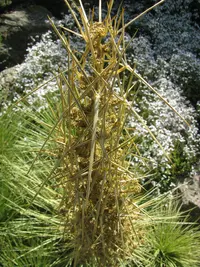
Aciphylla subflabellata is a perennial herb from New Zealand, belonging to a group of tough, often spiky alpine and subalpine plants. It forms a low, tufted clump with finely divided, rigid leaves that create a bristly, architectural look.

In its natural habitat it grows in open, exposed sites, often on rocky or well-drained slopes. This background makes it adapted to full sun, wind, and relatively poor, free-draining soils.

The plant is generally slow growing and prefers stable, cool conditions, so it is not a quick or forgiving ornamental. Gardeners who care for Aciphylla subflabellata should be prepared to provide sharp drainage and avoid excessive summer heat or humidity.

Main Plant Requirements

Care Difficulty

Hard Care

Light Preference

Full Sun

Water Requirements

Low Water

Temperature Preference

Cold Hardy

Hardiness Zone

7–9

Soil Texture

Sandy, Loamy, Rocky

Soil pH

Slightly acidic (6.5–7.0)

Soil Drainage

Well-drained

Fertilization

Minimal (feed rarely)

Get Personalized Care Plan

Scan your plant to receive care tips personalized for your specific plant

Available on iOS and Android

How to Care for the Aciphylla subflabellata

This alpine species prefers open, bright positions with strong light and cool roots.

  • Provide 6–8 hours of full sun daily in cool or upland climates; in hotter lowland sites, give full morning sun with light afternoon shade.
  • Tolerates light partial shade (around 3–4 hours direct sun), but flowering and foliage density decline as shade increases.
  • Watch for leaf scorch, bleaching, or crispy tips in intense summer sun, and for weak, elongated growth if light is too low for Aciphylla subflabellata.

This plant prefers free-draining, slightly dry-leaning soil rather than constant moisture.

  • Water deeply only when the top 3–5 cm of soil feels dry and the foliage looks firm, then allow excess to drain completely.
  • In winter or cool, wet seasons, reduce watering sharply and rely more on natural rainfall if soil drains well, avoiding prolonged saturation.
  • Overwatering shows as yellowing, limp foliage or blackened crown tissue, while consistent underwatering causes pale, stunted growth and browning leaf tips in Aciphylla subflabellata.

This species is adapted to cool, exposed conditions and handles cold better than heat.

  • Supports active growth in roughly 45–70°F (7–21°C), with best performance in cooler summer climates and good air movement.
  • Tolerates frosts and hard freezes down to about 5–10°F (-15 to -12°C) once established, especially in sharply drained, gritty soil.
  • Prolonged heat above 80–85°F (27–29°C), especially with warm, wet soil, can stress plants, so use mulch to keep roots cool and avoid reflected heat.

This species is naturally adapted to dry, exposed habitats, so humidity is rarely a limiting factor in cultivation.

This species prefers sharply drained, mineral-rich, rocky or sandy soil that never stays waterlogged.

  • Use a gritty mix of roughly 50–60% coarse sand or fine gravel with the rest loam and a small amount of compost.
  • Aim for slightly acidic to neutral pH around 6.0–7.0, avoiding strongly acidic or alkaline conditions.
  • Improve aeration and drainage by incorporating pumice or perlite instead of peat-heavy materials that hold excess moisture.
  • Avoid compacted, clay-heavy, or consistently damp sites, which encourage root rot and shorten plant lifespan.

This species can be grown in containers if the pot mimics a dry, rocky, free-draining site.

  • Choose a deep, heavy container to anchor the stiff, upright foliage against wind and prevent tipping.
  • Fill the pot with a very gritty, stone-rich mix so water passes through in seconds rather than minutes.
  • Raise the container on feet or bricks so drainage holes stay clear and runoff moves away quickly.

This alpine perennial usually manages in lean soils, so fertilizing Aciphylla subflabellata should stay very light.

  • If growth appears weak, apply a low-dose balanced NPK fertilizer at 1/4 strength once in early spring.
  • Alternatively, top-dress with a thin layer of well-rotted compost, keeping it away from the crown to avoid rot.
  • Do not feed during winter dormancy; excess nutrients in cold, wet soil increase root stress.

This species needs minimal pruning, mainly to keep the clump tidy and healthy.

  • Cut back dead or winter-burned foliage in late winter or very early spring before new growth starts.
  • Remove damaged or diseased leaves whenever noticed, using clean, sharp scissors or hand pruners.
  • Avoid heavy cutting into the crown, as Aciphylla subflabellata forms a tight rosette that does not regenerate from hard pruning.

This plant is usually grown in the ground, so focus on careful transplanting rather than frequent repotting.

  • Transplant in early spring or early autumn, when temperatures are mild and soil moisture is even.
  • Look for signs such as a congested clump, stunted growth, or roots circling a container if it is pot-grown.
  • Lift with a generous soil ball to keep the taproot undisturbed, and replant at the same depth in sharply drained soil.
  • Water lightly after transplanting, then allow soil to dry slightly between waterings to reduce root stress.

Propagation of this species is mainly done from seed and is moderately challenging for beginners.

  • Sow fresh seed in late summer to autumn in deep pots or trays with gritty, free-draining mix.
  • Expose seeds to natural winter chilling outdoors; this cold stratification supports gradual germination in spring.
  • Keep the medium just moist, not wet, and grow seedlings in bright, cool conditions with good airflow.
  • Transplant young Aciphylla subflabellata plants carefully to avoid disturbing the developing taproot.

This alpine species is generally cold hardy in temperate climates and needs only modest winter care.

  • Tolerates typical frosts once established, but young plants benefit from extra shelter in the first 1–2 winters.
  • Apply a light gravel or grit mulch around the crown to improve drainage and limit freeze–thaw heaving.
  • For container plants, move pots to a cold, airy, frost-sheltered spot to keep roots cool but not waterlogged.

Care Tips

Protective siting

Place plants in a site with some shelter from strong prevailing winds or foot traffic, as the stiff, spiny foliage can snap at the base if repeatedly knocked or flexed in exposed positions.

Rock mulch use

Top-dress around the crown with a thin layer of coarse gravel or small rocks rather than organic mulch to keep the neck dry, reduce crown rot risk, and mimic the free-draining scree conditions this species prefers.

Winter drainage check

Before winter rains, test that water runs off or drains through the planting area within a few minutes, improving drainage with coarse grit or by slightly raising the planting spot if water lingers around the crown.

Seed head management

After flowering, leave some seed heads to mature fully if you want self-sown seedlings, or cut them off promptly to conserve the plant’s energy and keep its clump tidy and compact.

Careful handling

When caring for Aciphylla subflabellata, wear sturdy gloves and use tools instead of bare hands close to the crown to avoid injury from the rigid spines and to prevent accidental damage to the central growth point.

Common Pests and Diseases

Mealybugs

This pest may appear on flower stalks and leaf bases, forming small white cottony clusters that sap plant vigor. Symptoms include stunted growth and yellowing or distortion of the finely divided foliage.

Solution

Isolate affected plants, then dab visible insects with cotton swabs dipped in 70% isopropyl alcohol or use a firm water spray to dislodge them. For persistent infestations, apply a light horticultural oil or insecticidal soap, focusing on leaf bases and crown areas, and repeat at 7–10 day intervals while monitoring new growth closely as part of broader Aciphylla subflabellata care instructions.

Scale insects

These insects attach along leaf stems and at the crown, forming hard, dome-shaped bumps that suck plant sap. Symptoms include dull, yellowing foliage and reduced flowering.

Solution

Gently scrape off individual scales with a fingernail or soft brush and prune heavily infested stalks. Follow with a thorough application of horticultural oil or insecticidal soap during mild weather, repeating treatments to target newly emerged crawlers and improving plant vigor through full-sun exposure and free-draining soil.

Fungal leaf spot

This disease causes small brown to black spots on the narrow leaf segments, which can merge into larger blotches under prolonged wet conditions. Symptoms include premature leaf dieback from the tips inward.

Solution

Remove and dispose of affected leaves to reduce spore spread and avoid overhead watering, especially in the evening. Improve airflow around the clump, water at the base, and if needed apply a broad-spectrum fungicide labeled for ornamental perennials, following label rates and intervals carefully.

Crown rot

This disease affects plants in poorly drained or compacted soils, causing a soft, dark, decaying crown and sudden collapse of foliage. Symptoms include yellowing followed by rapid wilting despite moist soil.

Solution

Lift and discard severely affected plants, ensuring all rotted tissue and surrounding wet soil are removed. Replant only in raised, very free-draining ground or rock garden conditions, avoid mulching tightly around the crown, and water deeply but infrequently so the crown area dries between waterings.

Interesting Facts

Subalpine speargrass specialist

This species is naturally restricted to subalpine grasslands and herbfields of the central South Island of New Zealand, where it forms tight clumps adapted to cold, exposed mountain environments.

Strongly divided foliage

Its leaves are rigid, tough, and intricately divided into narrow segments, an adaptation that reduces wind resistance and water loss in high-altitude habitats.

Umbel-forming flower stalks

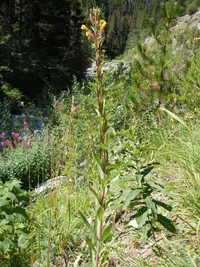
Like other members of the carrot family (Apiaceae), it produces tall flowering stems topped with umbels, where many small flowers are grouped together to improve pollinator attraction in a short alpine growing season.

FAQs about Aciphylla subflabellata

The plant’s tall summer flower stalks with many small yellowish flowers provide nectar and pollen, so they commonly attract native bees, flies, and other beneficial insects, especially in open, sunny, well-drained sites.

Grow Healthy Plants with Botan Care

Keep your plants happy and healthy with plant identification, disease detection, and easy care guidance.

Botan plant care app — identify plants on mobile

Explore More Plants