Mountain Alyssum Care (Alyssum montanum)

Mountain Alyssum

About Mountain Alyssum

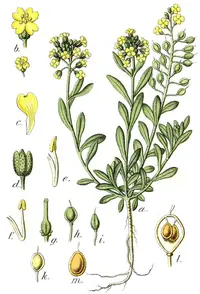
Mountain alyssum, Alyssum montanum, is a low-growing perennial from rocky slopes and open hillsides in Europe and western Asia. It forms compact mounds covered with many small, usually yellow flowers in spring. The foliage is typically gray-green and slightly fuzzy, creating a neat cushion that works well at the front of borders, in rock gardens, and along walls. This plant is valued for its ability to handle poor, well-drained soil and relatively dry conditions. It tends to be easy to grow where winters are cool and soils do not stay wet. Gardeners who learn how to care for Mountain Alyssum usually find it reliable and long-lived in suitable climates.

Main Plant Requirements

Care Difficulty

Easy Care

Light Preference

Full Sun

Water Requirements

Low Water

Temperature Preference

Cold Hardy

Hardiness Zone

3–9

Soil Texture

Sandy, Loamy, Rocky

Soil pH

Slightly acidic (6.5–7.0), Slightly alkaline (7.0–7.5)

Soil Drainage

Well-drained

Fertilization

Minimal (feed rarely)

Get Personalized Care Plan

Scan your plant to receive care tips personalized for your specific plant

Available on iOS and Android

How to Care for the Mountain Alyssum

This low-growing perennial thrives in open, bright conditions with plenty of direct sun.

  • Aim for 6–8 hours of direct sun daily; morning and midday sun promote compact growth and heavy flowering for Mountain Alyssum.
  • Plant in full sun but allow light afternoon shade in very hot summers to reduce leaf scorch and premature flowering decline.
  • In cooler seasons or coastal climates, full sun all day is ideal; in hot inland areas, observe foliage and provide light shade if leaves bleach or wilt repeatedly.

This species prefers evenly moist but fast-draining soil, with brief dry periods between waterings.

  • Water only when the top 2–4 cm of soil feels dry; foliage wilting at midday that recovers by evening usually indicates mild, acceptable dryness.
  • Use gritty, well-drained soil so water passes through quickly; persistent soggy soil, yellowing lower leaves, and a sour smell suggest overwatering and possible root rot.
  • In spring and early summer, monitor more often as Alyssum montanum grows and flowers; reduce watering in cool or rainy weather to avoid waterlogging.

This alpine perennial tolerates cold well but performs best within a moderate temperature range.

  • Optimal growth occurs around 55–70°F (13–21°C), which supports tight mounds and prolonged flowering.
  • Established plants can survive down to about -10°F (-23°C) with snow cover or mulch, though flowers and young shoots may be damaged by sudden hard frosts.
  • It tolerates summer heat up to about 85–90°F (29–32°C) if soil is well drained; extended hotter periods may reduce blooming and benefit from light afternoon shade.

This species tolerates a wide range of humidity and rarely needs special humidity management.

Alyssum montanum prefers lean, sharply drained mineral soils rather than rich, moisture-retentive mixes.

  • Use sandy or gritty loam with 30–60% coarse sand, fine gravel, or grit to prevent waterlogging around the roots.
  • Aim for slightly alkaline to neutral pH around 7.0–7.5; on acidic soils, incorporate a small amount of garden lime.
  • Mix in only a light proportion of compost, since high organic content holds excess water and encourages weak, lush growth.
  • Avoid dense clay, peat-heavy potting mixes, or any soil that stays wet for more than 1 day after watering.

This species is well suited to containers, especially shallow, free-draining troughs or rock-garden planters.

  • Select a wide, shallow container that matches its mat-forming spread so outer roots do not dry much faster than the center.
  • Choose a heavy or stone-like pot if placed outdoors, as the spreading top growth can catch wind and tip light containers.
  • Fill the pot with a gritty, rock-garden style mix and leave the upper 2–3 cm free to reduce rain splash and stem rot near the crown.

This alpine perennial grows best in lean soil, so use light feeding to support flowering without creating lush, floppy growth in Mountain Alyssum.

  • Apply a balanced, low-dose granular or slow-release fertilizer once in early spring as new growth starts.
  • Use compost or a thin layer of organic mulch around plants instead of frequent synthetic feeding.
  • If using liquid feed, dilute to 1/2–1/4 strength and apply only every 4–6 weeks in the growing season.
  • Stop fertilizing in late summer so plants can harden off before winter dormancy.

Thoughtful pruning keeps Alyssum montanum compact, encourages more blooms, and extends its tidy, mounded habit.

  • Shear back spent flower stems by 1/3–1/2 immediately after the main spring bloom to promote reblooming.
  • Remove dead, diseased, or winter-damaged shoots with clean, sharp scissors or hand pruners.
  • Thin crowded or leggy stems in late spring or early summer to maintain airflow and a low, dense shape.
  • Lightly trim straggling growth in late summer only if needed, avoiding heavy cutting close to winter.

This rock garden perennial is more often transplanted in the landscape than kept as a long-term container plant.

  • Transplant in early spring or early fall when temperatures are mild and soil is workable.
  • Move plants if growth declines, centers die out, or clumps outgrow their space in the bed every 3–4 years.
  • Lift with a trowel, keeping a firm soil ball around the roots, and replant at the same depth in well-drained soil.
  • Water thoroughly after transplanting and shade lightly for a few days to reduce root stress and wilting.

Alyssum montanum is commonly propagated to refresh older clumps and extend groundcover in rock or border plantings.

  • Divide mature clumps in early spring, keeping several shoots and healthy roots in each section.
  • Sow seeds in late winter to early spring in well-drained mix, just pressing them into the surface with minimal cover.
  • Provide bright light, 60–70°F temperatures, and slightly moist conditions for germination and early growth.
  • Softwood cuttings taken in late spring can root in a gritty, free-draining medium under high humidity.

This species is generally cold hardy in much of the US and often needs only modest winter care in garden beds.

  • Tolerates frost and snow once established, especially in sharply drained soil.
  • Apply a light mulch of gravel or coarse bark around the crown in late fall to stabilize soil temperature.
  • Avoid heavy, soggy organic mulches that hold excess moisture against the stems in winter.
  • Container-grown plants in cold regions benefit from moving to a sheltered, unheated but frost-free spot.

Care Tips

Rocky edge placement

Install plants at the top or edge of rock walls or raised beds so stems can trail naturally, which improves air flow around foliage and reduces the risk of crown rot in wet spells.

Shear for rebloom

Immediately after the main spring flush, shear the plants back by about one-third with clean shears to encourage a denser mound and a lighter second bloom period.

Avoid mulch at crown

Keep gravel or organic mulch pulled back 5–8 cm from the plant crown to prevent excess moisture around the stems, which can lead to rot in this dry-loving species.

Winter drainage check

Before winter, verify that planting areas are not in a low spot where water collects, and if needed, add grit or small stones around the root zone to keep the crown dry through freeze–thaw cycles.

Companion planting strategy

Combine plants with shallow, non-aggressive roots such as low sedums or dwarf dianthus so they do not outcompete the alyssum, which helps when caring for Mountain Alyssum in mixed rock gardens.

Common Pests and Diseases

Downy mildew

This disease causes yellowing, mottled patches on upper leaf surfaces with gray to purplish fuzzy growth underneath, especially in cool, damp weather. Symptoms include stunting and premature leaf drop, which can thin out the flowering mat.

Solution

Remove and discard badly affected foliage and any plant debris, then space plants to improve airflow and avoid overhead watering, especially in the evening. In extended cool, wet periods, use a copper-based fungicide labeled for ornamentals as a preventative spray, focusing on leaf undersides and repeating as directed if conditions remain favorable for disease.

White rust

This disease produces pale yellow spots on upper leaf surfaces and white, blister-like pustules on the undersides, mainly during cool, moist conditions. Symptoms include deformed leaves and reduced flowering when infection is heavy.

Solution

Promptly remove and destroy infected leaves and any volunteer plants nearby, and avoid overhead irrigation to keep foliage as dry as possible. In beds where white rust recurs, rotate out of the Brassicaceae family for a few years and, if needed, apply a rust-specific fungicide early when spots first appear to protect new growth.

Flea beetles

These insects chew many tiny round holes in leaves, creating a shot-hole appearance that is most noticeable on young plants. This pest is especially attracted to plants in the cabbage family, including Alyssum montanum, and can slow early growth.

Solution

Use lightweight row covers to protect young plants until they are established, and reduce nearby brassica weeds that harbor beetles. For active infestations, apply a spinosad or pyrethrin-based product in the evening when bees are less active, directing sprays to foliage where beetles feed, and repeat as needed according to the label.

Cabbage aphids

These insects form dense, grayish-green colonies on tender shoots and flower stems, often covered in a whitish waxy coating. This pest sucks plant sap, causing curling, distortion, and sticky honeydew that can attract sooty mold.

Solution

Dislodge colonies with a strong stream of water, then prune heavily infested stems and dispose of them in the trash. Encourage beneficial insects, and if populations persist, use insecticidal soap or a neem oil spray, coating stems and leaf undersides thoroughly and repeating every 5–7 days until numbers drop.

Leaf spot

This disease shows as small brown, tan, or purple spots on leaves that may merge into larger blotches, often starting in dense or poorly ventilated mats. Symptoms include gradual thinning of foliage and reduced flowering over time.

Solution

Remove affected leaves and any matted plant debris to improve air movement within the carpet of foliage, and water at soil level rather than wetting the leaves. In persistent cases, apply a broad-spectrum ornamental fungicide and consider lifting and dividing the mat to reduce crowding and allow faster drying after rain, which supports long-term Alyssum montanum plant care.

Interesting Facts

Alpine rock specialist

This species is naturally distributed across European mountain systems such as the Alps, Carpathians, and Balkans, where it is adapted to thin, rocky, often calcareous soils and exposed slopes.

Early-season pollinator resource

It flowers early in spring in its native range, offering nectar and pollen to emerging bees and other small pollinators when few other mountain plants are in bloom.

True perennial habit

Unlike some common garden sweet alyssums that are grown as annuals, this species forms long-lived, woody-based mats that can persist for many years in the same rocky site.

FAQs about Mountain Alyssum

This species forms low, spreading mats but is not typically aggressive. It slowly enlarges from the crown, staying within bounds if given rocky or well-drained sites. Occasional edging or division keeps it neatly contained in borders or rock gardens.

Grow Healthy Plants with Botan Care

Keep your plants happy and healthy with plant identification, disease detection, and easy care guidance.

Botan plant care app — identify plants on mobile

Explore More Plants