Alstroemeria patagonica Care

Alstroemeria patagonica

About Alstroemeria patagonica

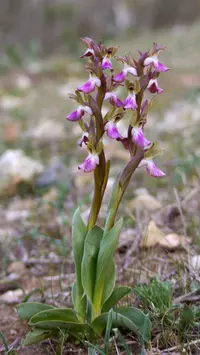
Alstroemeria patagonica is a compact, tuberous perennial from southern South America, especially the Patagonian region of Argentina and Chile. It belongs to the Alstroemeria group, often called Peruvian lilies, but stays lower and more delicate than many relatives.

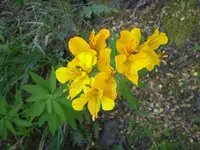
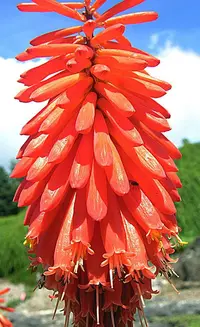
Plants form small clumps of narrow leaves and send up slender stems with intricate, funnel-shaped flowers in warm tones, usually yellow to orange with darker markings. The flowers are showy but the plant is naturally adapted to cool, dry, and windy conditions, which influences how to care for Alstroemeria patagonica in gardens.

It prefers well-drained, gritty soil and benefits from full sun in cooler climates or light shade in hotter areas. Once established, it tends to be moderately drought-tolerant but dislikes waterlogged roots.

Main Plant Requirements

Care Difficulty

Moderate Care

Light Preference

Full Sun

Water Requirements

Moderate Water

Temperature Preference

Cool Climate

Hardiness Zone

6–8

Soil Texture

Sandy, Loamy, Rocky

Soil pH

Acidic (5.5–6.5), Slightly acidic (6.5–7.0)

Soil Drainage

Well-drained

Fertilization

Minimal (feed rarely)

Get Personalized Care Plan

Scan your plant to receive care tips personalized for your specific plant

Available on iOS and Android

How to Care for the Alstroemeria patagonica

This species performs best in open, bright positions that mimic cool, sunny Patagonian habitats.

  • Provide 6–8 hours of sun daily, with full morning sun and light afternoon shade in hotter regions to protect flowers and foliage.
  • Tolerates light or high, filtered shade, but stems of Alstroemeria patagonica may stretch and flowering can drop if it receives under 4–5 hours of direct sun.
  • In summer, monitor for leaf scorch from intense afternoon sun; in cooler seasons, shift or prune nearby plants to maximize exposure.

Watering should keep the root zone evenly moist but never saturated.

  • Before watering, let the top 3–5 cm of soil dry; then water deeply so moisture reaches the full root depth, rather than giving light surface splashes.
  • Use well-drained, loose soil; standing water or heavy clay increases risk of root rot, yellowing leaves, and weak stems in Alstroemeria patagonica.
  • In active growth and flowering, expect more frequent watering, while in cooler months reduce frequency, watching for wilting, crisp leaf edges, or stalled growth as drought signs.

This species favors cool to mild conditions and dislikes extreme heat or hard frost.

  • Optimal growth occurs around 55–70°F (13–21°C), supporting strong stems and reliable flowering during the main growing season.
  • Established plants can survive brief dips to about 20–25°F (-6 to -4°C) if soil is well drained and crowns are mulched for insulation.
  • During hot spells above 80–85°F (27–29°C), flowering may slow; provide afternoon shade and consistent soil moisture to reduce heat stress.

This species from windy Patagonian habitats tolerates relatively dry air but performs best with moderate humidity.

  • Aim for 40–60% humidity; typical indoor levels in most homes are sufficient for Alstroemeria patagonica.
  • Crisping leaf edges or stalled flower buds can indicate air that is too dry or inconsistent moisture at the roots.
  • Increase local humidity with a nearby water tray and grouping plants together rather than misting, which adds only brief surface moisture.

This tuberous perennial needs loose, free‑draining soil that still holds moderate, even moisture around the roots.

  • Use a sandy or loamy mix such as 50% peat‑free compost, 30% coarse sand, and 20% fine bark or perlite for aeration.
  • Ensure very sharp drainage; standing water around tubers rapidly leads to rot and weak, sparse growth.
  • Keep pH slightly acidic to neutral, around 6.0–7.0, which supports nutrient uptake and root health in Alstroemeria patagonica.
  • Avoid heavy clay, compacted ground, or pure peat mixes, which restrict air spaces and cause waterlogging after rain or irrigation.

This species adapts well to container growing when root depth and drainage are carefully managed.

  • Choose a deep, narrow container so the tuberous roots can grow downward while limiting lateral spread that stresses the pot walls.
  • Select a heavy, stable pot material such as ceramic to prevent toppling in wind once tall flower stems develop.
  • Raise the container on feet or pot risers so drainage holes stay clear and excess water escapes quickly after watering or rain.

This species benefits from light, targeted feeding in active growth but resents heavy fertilizer applications.

  • Use a balanced granular or slow-release fertilizer (around 10-10-10) or a thin layer of compost in early spring as shoots emerge.
  • Apply a diluted liquid balanced feed at 1/2 strength every 4–6 weeks during the main growing season if growth or flowering seems weak.
  • Avoid high-nitrogen products that push soft foliage at the expense of flowers and may increase disease problems.
  • Stop feeding Alstroemeria patagonica in late summer so growth can harden before winter, and do not fertilize dormant clumps.

Thoughtful pruning keeps Alstroemeria patagonica compact, clean, and flowering well.

  • In mid to late summer, twist or cut spent flowering stems at the base to encourage new flowering shoots.
  • Remove dead, yellowing, or damaged leaves throughout the season with clean, sharp scissors or hand pruners.
  • Thin out the oldest, most congested stems at ground level to improve air movement and reduce disease.
  • Avoid cutting healthy foliage hard in midsummer, since leaves are needed to replenish the underground storage organs.

This species is usually grown in the ground, so focus on dividing and transplanting mature clumps rather than frequent repotting.

  • Plan to lift and divide clumps every 3–5 years, or when flowering declines and growth becomes congested.
  • Transplant in early spring or early fall, when temperatures are mild and the plant is not in peak bloom.
  • Check for tight root masses or slow growth in containers; these signs indicate the need for a slightly larger pot or division.
  • When moving or dividing, keep roots shaded and damp, replant at the same depth, water well, and mulch lightly to reduce stress.

New plants of Alstroemeria patagonica are most reliably produced by careful division of established clumps.

  • Divide healthy plants in early spring or early fall, lifting the clump and separating fleshy rhizomes with at least 1–2 shoots each.
  • Replant divisions into well-drained, humus-rich soil, keeping crowns just below the surface and watering gently but thoroughly.
  • Seed propagation is possible but slow; sow fresh seed in trays outdoors for natural cold stratification and variable germination.
  • Maintain cool, evenly moist conditions and avoid disturbing young plants until they develop a firm root system.

This hardy species usually manages winter well in temperate climates, but some basic protection improves long-term vigor.

  • After hard frost blackens foliage, cut stems back to just above ground level to reduce disease carryover.
  • Apply a 5–8 cm layer of loose mulch over the root zone in late fall in colder regions to buffer freeze–thaw cycles.
  • In containers, move pots to a sheltered, unheated but frost-free or minimally freezing area to protect roots from deep, prolonged freezes.

Care Tips

Mark dormant clumps

Insert a durable label or stake at each planting spot before winter so you do not disturb the shallow tubers when digging, mulching, or replanting nearby in the dormant season.

Staggered planting blocks

Plant small groups from tubers or divisions 2–3 weeks apart in late winter to early spring to spread the flowering window and ensure a longer display from a small planting area.

Flower-harvest technique

When cutting stems for vases, pull and twist gently from the base rather than snipping midway so the plant redirects energy to new shoots and reduces the risk of rotting stubs at soil level.

Targeted wind protection

In open, windy sites, use low, breathable barriers such as mesh panels or shrub companions on the windward side to reduce stem breakage while still allowing good air flow around the foliage.

Regular clump renewal

Every 3–4 years, lift and divide the tubers at the end of the growing season, discarding woody or shriveled sections and replanting only firm, healthy pieces to maintain vigorous flowering when caring for Alstroemeria patagonica.

Common Pests and Diseases

Alstroemeria virus complex

This disease is usually caused by a combination of plant viruses such as Alstroemeria mosaic virus and Cucumber mosaic virus, leading to mottled, streaked, or distorted foliage and reduced flowering. Symptoms include uneven yellow or light green patterns on leaves and sometimes stunted growth.

Solution

Immediately rogue and discard symptomatic plants, including underground rhizomes, and avoid composting them. Control aphids that spread these viruses, disinfect cutting tools between plants, and always propagate from virus-indexed or certified clean stock for reliable Alstroemeria patagonica care instructions.

Botrytis blight

This disease develops in cool, humid conditions and causes brown, water-soaked spots on leaves, buds, and flowers that quickly develop a fuzzy gray mold. Symptoms include collapsing buds and petals that stick together and fail to open properly.

Solution

Remove and dispose of all affected flowers and foliage, and avoid overhead watering to keep foliage as dry as possible. Improve air movement around plants, space clumps generously, and use a labeled fungicide during prolonged wet periods if cultural measures are not sufficient.

Pythium root and stem rot

This disease is favored by poorly drained or waterlogged soil and leads to blackened, mushy roots and lower stems, along with rapid wilting and yellowing of shoots. Symptoms include plants that collapse despite moist soil and fail to recover after watering.

Solution

Improve drainage by planting in raised beds or coarse, well-draining mixes and avoid overwatering or standing water around crowns. Discard heavily affected plants, sanitize pots and tools, and, in container production, consider a preventive drench with a Pythium-targeted fungicide according to label directions.

aphids

These insects feed on tender shoots and flower stems, causing curling, distortion, and sticky honeydew that can lead to sooty mold on leaves. This pest also acts as a key vector for several viruses that affect this species.

Solution

Wash colonies off stems and buds with a firm stream of water, and pinch off heavily infested shoot tips. Encourage natural predators such as lady beetles, use yellow sticky traps for monitoring, and, if needed, apply insecticidal soap or horticultural oil, ensuring full coverage of young growth.

slugs and snails

These pests chew irregular holes in young leaves and flower stems, often leaving only midribs and a shiny slime trail. Symptoms include shredded new shoots, especially after wet nights or in dense, mulched plantings.

Solution

Hand-pick slugs and snails in the evening or early morning and reduce hiding places by keeping debris and thick weeds away from crowns. Use copper barriers, beer traps, or iron phosphate baits placed around plant clumps, and maintain slightly drier soil surfaces to make the habitat less favorable.

Interesting Facts

Adaptation to Patagonian winds

This species grows naturally in exposed, windy sites of southern Patagonia, forming low, compact clumps that resist mechanical damage from strong, persistent winds and blowing debris.

Cold-tolerant tuberous roots

Its underground storage organs are thickened, tuberous roots that allow the plant to survive cold winters and resume growth quickly when temperatures rise, an adaptation to the short growing season in its native range.

Nectar guides for Andean pollinators

The flowers show contrasting markings and colored streaks on the petals that act as nectar guides, helping native pollinators such as Patagonian bees and hoverflies locate the nectar efficiently, which is important for growing Alstroemeria patagonica in habitats with brief flowering windows.

FAQs about Alstroemeria patagonica

This species usually flowers in late spring to summer, depending on climate. In suitable conditions, blooming can extend for several weeks, with successive stems opening over time rather than all at once.

Grow Healthy Plants with Botan Care

Keep your plants happy and healthy with plant identification, disease detection, and easy care guidance.

Botan plant care app — identify plants on mobile

Explore More Plants