meadow zizia Care (Zizia aptera)

Also known as: heartleaf Alexanders, golden alexanders, meadow parsnip, heart-leaved golden Alexanders, heart-leaved Alexanders, Heart-leaved meadow parsnip, heart-leaf golden Alexander
meadow zizia

About meadow zizia

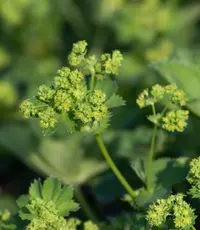
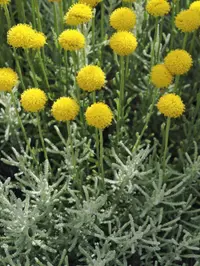
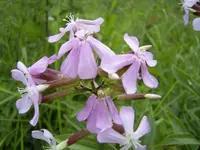
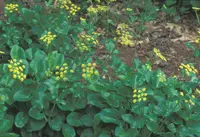
Meadow zizia (Zizia aptera) is a perennial wildflower in the carrot family, known for its airy clusters of small yellow flowers. It forms clumps of upright stems with divided, shiny green leaves, giving a light, meadow-like texture.

This species is native to North America and is typically found in moist prairies, open woods, and stream edges. It is valued in naturalistic gardens for supporting pollinators such as bees and small butterflies.

Gardeners generally find it easy to grow if soil stays moderately moist and the site offers sun to light shade, so it is not difficult to care for meadow zizia.

Main Plant Requirements

Care Difficulty

Easy Care

Light Preference

Full Sun

Water Requirements

Moderate Water

Temperature Preference

Cold Hardy

Hardiness Zone

4–8

Soil Texture

Sandy, Loamy, Clay

Soil pH

Acidic (5.5–6.5), Slightly acidic (6.5–7.0)

Soil Drainage

Moist but well-drained

Fertilization

Minimal (feed rarely)

Get Personalized Care Plan

Scan your plant to receive care tips personalized for your specific plant

Available on iOS and Android

How to Care for the meadow zizia

This native perennial prefers consistent outdoor light that mimics open meadows.

  • Provide 4–6 hours of direct sun daily, ideally with morning sun and light afternoon shade to protect foliage from scorching.
  • Tolerates partial shade, especially in hotter regions, but flowering of meadow zizia is reduced if it receives less than 3–4 hours of sun.
  • In summer, avoid intense west-facing exposure on very dry sites; in spring and fall, slightly increased sun improves blooming and plant vigor.

This species prefers evenly moist soil but does not tolerate standing water.

  • Water when the top 3–5 cm of soil feels dry, aiming for soil that stays slightly moist but not saturated, especially during active spring and early summer growth.
  • Increase watering during hot, dry periods if rainfall is low, and reduce frequency in cool fall weather while still preventing complete soil dryness.
  • Watch for stress signs: yellowing, limp foliage can indicate overwatering and poor drainage, while crispy edges and drooping stems suggest the plant is too dry.

This hardy perennial tolerates a wide temperature range typical of temperate climates.

  • Optimal growth occurs around 65–80°F (18–27°C) during the growing season, supporting strong foliage and reliable flowering.
  • Zizia aptera survives winter cold down to about -20°F (-29°C) when established in the ground, dying back above ground and regrowing in spring.
  • The plant handles summer heat up to about 90°F (32°C) if soil moisture is maintained; prolonged heat with drought stress can reduce flowering and cause leaf scorch.

Humidity plays a very minor role for Zizia aptera, which is adapted to typical outdoor air conditions.

Zizia aptera prefers consistently moist, moderately fertile, structurally stable soil that does not stay waterlogged.

  • Use a loamy substrate with a mix of mineral soil and 20–30% compost to support moisture retention and root development.
  • Ensure drainage is moderate: not sandy-dry, but able to shed standing water within a few hours after heavy rain or irrigation.
  • Aim for a slightly acidic to neutral pH around 6.0–7.0, avoiding strongly acidic or alkaline sites that can limit nutrient availability.
  • Improve aeration in heavier clay by incorporating coarse sand or fine gravel into the top 15–20 cm before planting.

This species can be grown in containers outdoors if the pot supports its deep, spreading root system.

  • Choose a container at least 30–35 cm deep so the taproot can develop without curling tightly at the base.
  • Select a heavier material such as ceramic or thick-walled plastic to keep the pot stable against wind and tall flower stalks.
  • Use a straight-sided or slightly flared pot shape to reduce crowding at the root collar and maintain even moisture distribution through the soil column.

This native meadow perennial, often called meadow zizia, usually needs only light fertilization in average garden soil.

  • Apply a thin layer of compost or well-rotted leaf mold around plants once each spring to support flowering.
  • In poorer soils, use a balanced, slow-release fertilizer (around 10-10-10) at half label rate in early spring.
  • Avoid additional feeding in mid-summer onward to prevent weak, lush growth and to support natural dormancy.
  • Do not fertilize during winter or when top growth is dormant, as nutrients will not be effectively used.

Pruning Zizia aptera is simple and mainly focused on tidying and supporting long-term vigor.

  • Cut back spent flower stems in late summer to reduce self-seeding and keep clumps compact.
  • Remove dead, damaged, or diseased foliage at any time using clean, sharp pruners or scissors.
  • Thin overly crowded stems at the base in early spring to improve air flow and reduce foliar disease risk.
  • Shear old stems close to the ground at the end of the season or in late winter before new growth emerges.

This species is usually grown in the ground, so transplanting young plants correctly matters more than frequent repotting.

  • Transplant in early spring or early fall when temperatures are mild and soil is evenly moist.
  • Move plants only when root balls are well developed but not pot-bound; avoid containers with roots circling heavily.
  • Lift with a generous root ball, keep roots shaded and moist, and replant at the same depth into loosened, well-drained soil.
  • Water thoroughly after transplanting, then maintain steady moisture for 2–4 weeks to limit transplant shock and support root establishment.

Propagation of Zizia aptera is commonly done by seed and, less often, by careful division of established clumps.

  • Collect seed when umbels turn brown, then sow outdoors in fall to allow natural winter cold stratification.
  • For indoor seed starting, provide a cold stratification period of about 6–8 weeks at 35–40°F before sowing.
  • Sow seed on or just below the surface of a moist, well-drained seed mix under bright, indirect light.
  • Divide mature clumps in early spring, keeping divisions with several shoots and a solid root mass, and replant promptly.

This cold-hardy perennial survives typical winters in its range with minimal special care once established.

  • Expect top growth to die back after hard frost while root systems remain viable underground.
  • Apply a light 5–7 cm mulch of shredded leaves or compost in late fall in colder regions to buffer soil temperature.
  • Leave some standing stems over winter to provide habitat for beneficial insects, cutting them back in late winter.

Care Tips

Avoid root disturbance

Mark and protect plant locations when dormant, since this species resents being moved once established and divisions or transplants should be done only when absolutely necessary and with a large, intact soil root ball.

Encourage gradual colonizing

For a denser patch, allow seed heads to mature and shatter in place, then lightly rake or press the seed into the soil surface in late summer so new seedlings fill gaps naturally.

Support beneficial insects

Avoid insecticides near bloom time and include other native umbellifers or composite flowers nearby so pollinators and predatory insects using this plant as habitat can complete their life cycles.

Manage competition carefully

Control tall, aggressive grasses and weeds by hand pulling or spot cutting around clumps rather than bare-soil hoeing, which can damage shallow feeder roots and reduce vigor when growing meadow zizia.

Plan for reseeding zones

If self-sowing is desired, leave a ring of unmulched or very lightly mulched soil (about 10–15 cm wide) around plants so falling seeds have direct contact with soil and can germinate the following season.

Common Pests and Diseases

Carrot seed moth

This pest targets flowers and developing seeds, where larvae feed internally and can reduce seed set in umbels. Symptoms include browning, webbing, and premature drying of flower clusters.

Solution

Cut and destroy infested umbels that show webbing or browning seed heads to interrupt the life cycle. Maintain plant diversity nearby to support parasitic wasps and predatory insects, and avoid broad-spectrum insecticides that would harm natural enemies while growing meadow zizia.

Leafhoppers

These insects feed on plant sap and can cause pale stippling, leaf curling, and general decline, especially in hot, dry weather. Symptoms include small white or yellow spots that may merge into larger discolored areas.

Solution

Rinse foliage with a strong but controlled stream of water to dislodge nymphs, and keep plants well watered to reduce stress. Encourage predators by maintaining mixed plantings, and if needed use insecticidal soap sprayed on the undersides of leaves, repeating after 5–7 days if activity continues.

Aphids

This pest commonly clusters on stems, leaf undersides, and young flower stalks, sucking sap and excreting sticky honeydew. Symptoms include distorted new growth, sticky residue, and sometimes sooty mold on leaves.

Solution

Spray plants with a firm jet of water to knock aphids off and repeat every few days during heavy infestations. For persistent colonies, apply insecticidal soap or a light horticultural oil in the evening, coating stems and leaf undersides while avoiding open flowers to protect pollinators.

Powdery mildew

This disease appears as white, powdery patches on leaves, often during warm days and cool, humid nights. Symptoms include dull or gray-green foliage that can yellow and decline if coverage becomes heavy.

Solution

Increase air circulation by thinning crowded stems and removing nearby dense vegetation, and avoid overhead watering late in the day. Remove and dispose of heavily infected leaves or entire stems, and if needed apply a low-toxicity fungicide labeled for powdery mildew at the first sign of symptoms.

Leaf spot complex

This disease group causes small brown, tan, or black spots on leaves, sometimes with yellow halos, which can merge into larger blotches. Symptoms include premature leaf yellowing and drop, especially in humid or wet conditions with poor air movement.

Solution

Remove and discard affected leaves to reduce pathogen spread, and water at the base of the plant early in the day so foliage dries quickly. Improve spacing and airflow, keep mulch off the crown, and consider a preventive copper or biofungicide spray during prolonged wet periods if leaf spots recur each season.

Interesting Facts

Early spring bloomer

This species flowers in late spring to early summer, often before many other prairie forbs, providing an important early nectar source for native bees and small pollinators.

Specialist bee associations

Several oligolege bees, which specialize on a narrow group of plants, visit its flowers and rely on its pollen from the carrot family for part of their life cycle.

Moist meadow specialist

Zizia aptera is most often found in moist prairies, open woods, and calcareous meadows, where it tolerates periodic soil saturation better than many other umbel-bearing wildflowers.

Botan icon

Did you know?

The seeds of Zizia aptera are a significant food source for larvae of the black swallowtail butterfly, which use this plant and other carrot-family members as their primary host plants in many native habitats.

FAQs about meadow zizia

Poor flowering usually comes from too much shade, soil that stays very dry, or excess nitrogen fertilizer. Plants started from seed may also need 2–3 years to reach blooming age before flowering well.

Grow Healthy Plants with Botan Care

Keep your plants happy and healthy with plant identification, disease detection, and easy care guidance.

Botan plant care app — identify plants on mobile

Explore More Plants