scytheleaf onion Care (Allium falcifolium)

Also known as: Sickle-leaf Onion
scytheleaf onion

About scytheleaf onion

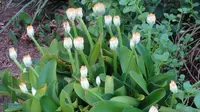
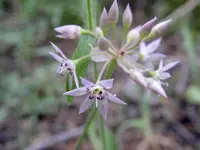
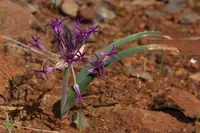
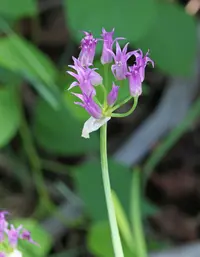
Scytheleaf onion, Allium falcifolium, is a small perennial bulb in the onion family, valued mainly for its distinctive foliage and spring flowers. It forms low clumps of curved, sickle-shaped leaves with slender stalks that carry rounded clusters of pink to purple blooms.

This species is native to dry, rocky slopes in parts of western North America, where it survives on lean, well-drained soils. It tends to be resilient once established but dislikes heavy, wet conditions, which makes drainage a key factor in how to care for scytheleaf onion.

In gardens, it suits rock gardens, dry borders, and naturalistic plantings, especially in climates with dry summers and cool, moist winters.

Main Plant Requirements

Care Difficulty

Moderate Care

Light Preference

Full Sun

Water Requirements

Low Water

Temperature Preference

Cold Hardy

Hardiness Zone

5–8

Soil Texture

Sandy, Loamy, Rocky

Soil pH

Acidic (5.5–6.5), Slightly acidic (6.5–7.0)

Soil Drainage

Well-drained

Fertilization

Minimal (feed rarely)

Get Personalized Care Plan

Scan your plant to receive care tips personalized for your specific plant

Available on iOS and Android

How to Care for the scytheleaf onion

This western North American bulb thrives in bright, open conditions that mimic rocky, exposed slopes.

  • Provide full sun for 6–8 hours daily; morning and midday sun support compact growth and abundant flowering for scytheleaf onion.
  • Tolerates light afternoon shade in hotter regions, but flowering and foliage density decline in sites receiving under 4–5 hours of direct sun.
  • Avoid dense shade or heavy overstory; plants become weak and sparse, while intense reflected heat off walls or pavement can scorch leaves in drought.

This species prefers dry to moderately dry conditions and is sensitive to excess moisture around the bulbs.

  • Water only when the top 3–5 cm of soil are completely dry, then moisten the root zone once and allow it to drain fully.
  • During active growth and bloom, slight leaf softening or droop indicates it is time to water Allium falcifolium, especially in sandy or rocky soils.
  • Reduce or stop watering after foliage yellows and dies back in summer dormancy; soggy, sweet-smelling soil or mushy bulbs indicate overwatering.

This hardy bulb is adapted to climates with cool, moist winters and warm, dry summers.

  • Optimal growth occurs in cool to mild conditions around 50–70°F (10–21°C), especially during spring leaf and flower development.
  • Dormant bulbs tolerate winter lows near 10–15°F (-12–-9°C) in well-drained soil; prolonged freeze in saturated ground increases rot risk.
  • Established plants handle dry summer heat up to 90–95°F (32–35°C) if soil stays sharply drained; avoid hot, low-airflow sites that trap radiant heat.

Humidity is not a significant factor for Allium falcifolium, which is adapted to dry air.

Allium falcifolium prefers lean, fast-draining, mineral soils that never stay wet for long.

  • Use sandy or gravelly loam with 30–50% coarse grit, pumice, or perlite to promote rapid drainage.
  • Keep organic matter low to moderate; mix in only a thin layer of compost to avoid holding excess moisture around bulbs.
  • Aim for slightly acidic to neutral pH, around 6.0–7.2, which supports nutrient availability without stressing roots.
  • Avoid dense clay, unamended garden soil, or any mix that stays soggy, as bulbs are highly prone to rot.

This species can be grown in containers if drainage and bulb protection from excess moisture are carefully managed.

  • Choose a wide, shallow pot (at least 12–15 cm deep) to accommodate the shallow bulbs and their spreading offsets.
  • Use a gritty medium with a thick drainage layer at the base so water moves out quickly after irrigation or rain.
  • Select unglazed terracotta or other porous materials that let the mix dry between waterings, reducing the risk of bulb rot.

This drought-adapted bulb needs only light feeding in lean soils, so fertilization for scytheleaf onion should stay modest.

  • Use a balanced granular or slow-release fertilizer (around 5-5-5 or 10-10-10) on poor, sandy sites at the start of spring growth.
  • Apply a very thin top-dressing of compost instead of heavier feeding in richer garden soils.
  • Feed only once per growing season; avoid mid-summer applications that can encourage weak, lush growth.
  • Do not fertilize dormant bulbs in late fall or winter, and always use products at half the label rate to prevent burn.

Allium falcifolium needs minimal pruning, mainly to keep clumps tidy and reduce disease risk.

  • In late summer or fall, cut back completely dry, brown foliage at ground level using clean, sharp scissors or hand pruners.
  • Remove any yellowing, spotted, or damaged leaves during the season to limit fungal problems and improve air flow.
  • Avoid cutting green, actively photosynthesizing foliage, since it is storing energy for next year’s bulbs and flowering.
  • Deadhead spent flower stalks after seeds drop if a neater look is desired, leaving some stalks if natural reseeding is wanted.

This species is more often transplanted in-ground than repotted, since it behaves as a compact, clumping bulb.

  • Plan transplanting or division in late summer to fall, after foliage has fully died back and bulbs are dormant.
  • Lift clumps gently with a trowel, keeping roots and attached soil intact to limit stress and moisture loss.
  • Transplant into well-drained, gritty soil at the original depth, spacing bulbs so they are not overcrowded.
  • Move or divide clumps only every 3–5 years, mainly when flowering declines or bulbs become densely crowded.

Propagation of Allium falcifolium is straightforward through bulb division and, with more patience, from seed.

  • Divide dormant bulb clumps in late summer to early fall, separating offsets by hand and replanting immediately.
  • Choose a sharply drained, sandy or gritty medium and keep it barely moist to prevent bulb rot while roots re-establish.
  • For seed, sow fresh seed in fall outdoors or use cold stratification, which is a moist chill period that breaks dormancy.
  • Provide bright light and cool temperatures for seedlings, then transplant to final positions once bulbs are firm and small leaves form.

This native bulb is generally cold hardy in much of its range and usually needs little active winter care.

  • In regions with wet winters, ensure very sharp drainage so bulbs do not sit in saturated, cold soil.
  • Apply a light gravel or coarse sand mulch above the bulbs to reduce heaving from freeze–thaw cycles.
  • Container-grown plants in colder climates can be moved to a cold, sheltered, frost-free but bright location until spring.

Care Tips

Rocky planting pockets

Tuck bulbs into shallow pockets among rocks or gravel where water drains quickly, which mimics the plant’s natural habitat and reduces rot risk in wet winters.

Summer dormancy protection

After foliage dies back, mark the bulb locations and avoid deep cultivation or heavy foot traffic over those spots so the dormant bulbs are not damaged or disturbed.

Lean competition control

Keep surrounding vegetation low and sparse by hand-weeding or carefully spot-treating with mulch-free gravel so nearby grasses and weeds do not outcompete the bulbs for light and nutrients.

Targeted seed collection

If you want more plants, collect seed heads just as they begin to dry, then sow them in labeled pots or a dedicated nursery strip so you can manage young seedlings without disturbing existing clumps.

Slope and container use

Use sloping beds, raised crevice gardens, or shallow, gritty containers to improve winter drainage and make monitoring and caring for scytheleaf onion easier, especially in regions with wetter soils.

Common Pests and Diseases

Onion thrips

This pest feeds on Allium foliage, causing silvery streaks, tiny white patches, and gradual drying of the leaves, especially in hot, dry weather.

Solution

Reduce dust and water stress, then spray foliage thoroughly with a strong stream of water to dislodge insects and use an insecticidal soap or neem oil, repeating every 5–7 days until new damage stops. Remove heavily damaged leaves and avoid planting near commercial onion or leek fields where thrips pressure is high.

Narcissus bulb fly

This pest lays eggs at the base of bulbs; the larvae tunnel into the bulb and cause yellowing, collapse of foliage, and eventual bulb death.

Solution

Lift and inspect bulbs showing stunted or collapsing foliage and discard any bulbs that feel soft or show internal tunneling. To prevent reinfestation, plant healthy bulbs a little deeper, cover with a thin grit or gravel layer to discourage egg laying, and avoid leaving old, weakened bulbs in the ground.

Allium leaf miner

This pest creates puncture lines on leaves where adults feed and lay eggs; larvae then mine inside leaves and move into bulbs, leading to distorted foliage and weakened plants.

Solution

Remove and destroy affected foliage promptly and avoid composting infested plant material. In regions where this insect is present, use fine mesh row covers over emerging foliage in spring and fall and stagger plantings away from other edible Allium crops to reduce pressure.

Botrytis leaf blotch

This disease causes pale, elongated spots on leaves that turn tan or brown with a water-soaked or slightly fuzzy edge in cool, damp weather.

Solution

Space plants so foliage dries quickly, water at soil level rather than overhead, and promptly remove and discard spotted leaves. In persistently wet climates, rotate planting areas away from old Allium beds and consider applying a labeled copper or sulfur fungicide at the first signs of spotting if conditions stay cool and humid.

White rot

This disease affects the basal plate and roots, leading to yellowing foliage, stunted growth, and white, fluffy fungal growth with tiny black sclerotia on infected bulbs.

Solution

Dig up and destroy all infected plants and adjacent soil clumps, and do not plant any Allium species in that spot for many years because the fungus persists in soil. Clean tools and boots after working in an affected area, and plant only clean, healthy bulbs in well-drained, uninfected ground to reduce the risk of spread.

Interesting Facts

Serpentine soil specialist

This species occurs almost exclusively on serpentine-derived soils in parts of California and Oregon, tolerating high heavy-metal content and low levels of essential nutrients that limit many other plants.

Distinctive sickle leaves

Its narrow leaves are noticeably falcate, or sickle-shaped, an adaptation that likely helps reduce direct sun exposure and water loss on exposed rocky slopes.

Red-purple alpine umbels

The plant produces small, bright red to purple flowers clustered in compact umbels on short stems, often coloring rocky outcrops in late spring at mid to high elevations.

Botan icon

Did you know?

This onion has a very limited native range in the Klamath-Siskiyou region of northern California and southwestern Oregon, where it contributes to the exceptionally high level of plant endemism associated with serpentine and ultramafic landscapes.

FAQs about scytheleaf onion

Lack of flowers often comes from insufficient sun, bulbs planted too deeply, or nutrient-poor, compacted soil. Crowded clumps may also reduce flowering; lifting, dividing, and replanting at correct depth usually restores regular blooming.

Grow Healthy Plants with Botan Care

Keep your plants happy and healthy with plant identification, disease detection, and easy care guidance.

Botan plant care app — identify plants on mobile

Explore More Plants