Alyssum loiseleurii Care

Alyssum loiseleurii

About Alyssum loiseleurii

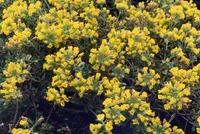
Alyssum loiseleurii is a low-growing, mat-forming perennial often used as a rock garden or edging plant. It forms dense cushions of small, gray-green leaves. In season, it carries clusters of tiny, usually yellow or white flowers that attract small pollinators and add a fine-textured look to sunny, well-drained spots. This species is native to rocky, mountainous areas of Europe, so it is adapted to lean soils and good drainage. Its compact size and tolerance of poorer soils make it relatively easy to manage, as long as water does not stand around the roots. Gardeners who want to learn how to care for Alyssum loiseleurii mainly need to provide sun, drainage, and avoid heavy, waterlogged soil.

Main Plant Requirements

Care Difficulty

Easy Care

Light Preference

Full Sun

Water Requirements

Moderate Water

Temperature Preference

Cool Climate

Hardiness Zone

4–8

Soil Texture

Sandy, Loamy, Rocky

Soil pH

Slightly acidic (6.5–7.0), Slightly alkaline (7.0–7.5)

Soil Drainage

Well-drained

Fertilization

Minimal (feed rarely)

Get Personalized Care Plan

Scan your plant to receive care tips personalized for your specific plant

Available on iOS and Android

How to Care for the Alyssum loiseleurii

This low perennial prefers bright conditions and thrives in open beds or rock gardens.

  • Provide 6–8 hours of direct sun daily, ideally with gentle morning sun and lighter afternoon exposure in hotter regions.
  • Tolerates light partial shade (3–4 hours direct sun) but flowering of Alyssum loiseleurii diminishes and growth becomes looser in deeper shade.
  • In summer, protect from intense late-afternoon sun in very hot climates to reduce leaf scorch and premature drying of shallow roots.

This species prefers slightly dry, well-drained conditions rather than consistently moist soil.

  • Water when the top 2–4 cm of soil feels dry, applying a deep soak that drains through rather than frequent light splashes.
  • Use gritty, fast-draining soil; prolonged puddling around the crown signals poor drainage and raises the risk of root rot in Alyssum loiseleurii.
  • In cool seasons reduce watering as growth slows; signs of underwatering include limp, dull foliage, while yellowing, soft stems suggest overwatering.

This plant performs best in mild climates with cool nights and moderate daytime warmth.

  • Optimal growth occurs around 55–75°F (13–24°C), with strong flowering during cooler periods of spring and early summer.
  • Tolerates brief dips to about 20–25°F (-6 to -4°C), but repeated hard frosts or frozen, waterlogged soil can kill shallow roots.
  • Handles dry heat up to about 85–90°F (29–32°C) if soil drains well, but flowering may slow until temperatures ease later in the season.

This species handles dry garden air well and rarely needs special humidity management.

  • Target 30–50% humidity, which matches most outdoor and indoor conditions in temperate homes.
  • Foliage may look slightly dull or edges may crisp in very hot, dry winds rather than from low indoor humidity.
  • If plants are in very exposed, dry sites, group containers together or provide light wind protection to reduce rapid moisture loss.

Alyssum loiseleurii prefers mineral, sharply drained soil that stays airy around the roots.

  • Use a sandy or gritty loam with low to moderate organic matter to mimic a rocky slope habitat.
  • Ensure very fast drainage; mix in coarse sand or 2–4 mm grit at 30–50% of the volume for containers or raised beds.
  • Keep soil slightly alkaline to neutral (pH 7.0–8.0); add a small amount of garden lime if soil is distinctly acidic.
  • Avoid compacted, waterlogged, or peat-heavy mixes, which hold too much moisture and increase root and crown rot risk.

This species is well suited to containers, troughs, and rock-garden pots outdoors.

  • Choose a wide, shallow pot to match its low, spreading habit and prevent deep, wet zones around the roots.
  • Select unglazed clay or stone containers to let excess moisture evaporate more easily from the sides.
  • Raise the pot on feet or bricks so drainage holes stay clear and water does not pool under the container after rain or watering.

This alpine perennial stays compact and floriferous with light feeding rather than heavy fertilization.

  • Use a balanced, slow-release fertilizer (around 10-10-10) mixed into the topsoil at planting for Alyssum loiseleurii.
  • During spring–summer, supplement every 4–6 weeks with a diluted liquid feed at 1/2 strength if growth appears weak.
  • On rich garden soils, rely mostly on compost or well-rotted organic matter rather than repeated synthetic feeding.
  • Stop feeding in late summer so plants can harden off; avoid fertilizing in fall and winter.

Light, timely pruning keeps this low mat-forming plant dense and flowering well.

  • After the main spring bloom, shear back spent flower stems by about one-third to encourage fresh growth and rebloom.
  • Remove dead, damaged, or leggy shoots with clean scissors or hand pruners to maintain a neat cushion shape.
  • Thin crowded areas slightly to improve air flow and reduce moisture-related diseases near the foliage.
  • In late winter or very early spring, lightly trim winter-damaged tips without cutting into old, woody tissue on Alyssum loiseleurii.

This species is more often transplanted in rock gardens or borders than maintained long term in containers.

  • Transplant in early spring or early fall, when temperatures are mild and soil remains evenly moist.
  • Look for crowded mats, stunted growth, or roots circling a small pot as signs the plant needs more space.
  • Plan on moving container-grown plants into the ground or a slightly larger pot every 1–2 years for best vigor.
  • Lift with a generous soil clump, disturb roots as little as possible, then water thoroughly and shade lightly for several days to reduce stress.

Alyssum loiseleurii is commonly renewed from seed and by division of established clumps.

  • Sow seeds in late winter–early spring under bright light, using a gritty, well-drained mix kept lightly moist and 60–70°F.
  • Press seeds onto the surface rather than burying deeply, since light aids germination; seedlings usually appear in 1–3 weeks.
  • Divide mature clumps in early spring, separating small sections with healthy roots and replanting at the same depth.
  • Provide gentle watering and protection from intense sun and wind until new divisions or seedlings are firmly established.

This alpine-type plant is fairly cold hardy but benefits from simple winter precautions in colder regions.

  • In USDA zones around 5–7, plants usually overwinter in the ground if drainage is sharp and soil does not stay waterlogged.
  • Apply a light, airy mulch of gravel or coarse bark around the crown to insulate roots without trapping excess moisture.
  • Avoid heavy, soggy organic mulches that hold water against stems, as this increases rot risk during freeze–thaw cycles.
  • Container plants in colder climates can be moved to an unheated but frost-free porch or cold frame for extra protection.

Care Tips

Shear After Flowering

Lightly shear back spent flower clusters with clean scissors after the main flush to encourage a denser mat and a second, lighter bloom rather than letting stems become woody and open.

Improve Winter Drainage

In regions with wet winters, slightly raise the planting area with a thin gravel or grit layer under the root zone to reduce crown rot and extend the plant’s lifespan in the same spot.

Use Gritty Topdressing

Apply a 0.5–1 cm layer of horticultural grit around the crowns to keep foliage dry at the base, reduce slug damage, and visually separate the low mound from surrounding soil or mulch.

Edge-Cracking Technique

When planting along paths or walls, position plants so the crown sits right at the hard edge, allowing stems to spill over and soften the line without smothering neighboring plants.

Staggered Renewal Planting

Every 2–3 years, start a few new plants from cuttings or seed nearby so older, thinning clumps can be removed gradually, keeping displays of Alyssum loiseleurii continuous and full.

Common Pests and Diseases

Downy mildew

This disease causes yellow, pale, or irregular spots on upper leaf surfaces with a gray to purple fuzz on the undersides in cool, moist weather. Symptoms include slowed growth and patchy dieback in dense mats of foliage.

Solution

Improve air circulation by thinning crowded plants and avoid overhead watering, especially late in the day. Remove and dispose of infected leaves, then treat remaining foliage with a phosphonate or copper-based fungicide labeled for ornamentals, following local guidelines for Alyssum loiseleurii care instructions.

Powdery mildew

This disease appears as white, powdery patches on leaves and stems, often starting on older foliage in warm days and cool nights. Symptoms include distorted new growth and reduced flowering if the problem persists.

Solution

Increase light and airflow around plants, water at the base, and avoid high nitrogen fertilization. Remove heavily affected leaves and apply a sulfur or potassium bicarbonate fungicide appropriate for ornamentals if environmental adjustments do not stop spread.

Flea beetles

These insects chew many small round holes in leaves, giving foliage a shot-hole appearance, and may cause stunted seedlings or thin patches. This pest is most damaging in dry, sunny conditions on young plants or fresh new growth.

Solution

Protect young plants with floating row covers until established and keep nearby weeds down to reduce beetle habitat. For active infestations, use yellow sticky traps for monitoring and, if needed, apply a spinosad or pyrethrin-based spray in the evening, targeting leaf surfaces where beetles feed.

Cabbage aphids

These insects form dense gray-green colonies on stems and leaf undersides, often near flower clusters, and excrete sticky honeydew that can attract sooty mold. Symptoms include curled, distorted growth and reduced flowering.

Solution

Rinse colonies off with a firm stream of water, repeating every few days, and pinch off heavily infested tips. Encourage beneficial insects like lady beetles, and if populations remain high, use an insecticidal soap or horticultural oil, coating leaf undersides thoroughly.

White rust

This disease produces pale yellow spots on upper leaf surfaces and raised white blister-like pustules on the undersides. Symptoms include premature leaf drop and patchy decline in humid, cool periods.

Solution

Remove and discard infected leaves as soon as pustules appear and avoid overhead irrigation that keeps foliage wet. Space plants to improve drying, rotate planting areas, and in recurring cases use a labeled ornamental fungicide with activity against rusts, applied preventively when cool, wet weather is forecast.

Interesting Facts

Serpentine rock specialist

This species often grows on serpentine and other ultramafic rocks in its native range, tolerating soils that are naturally high in heavy metals and low in essential nutrients, which many other plants cannot endure.

Compact mat-forming habit

It forms low, dense cushions or mats that hug rocky surfaces, an adaptation that helps reduce water loss and resist mechanical damage from wind in exposed alpine and subalpine habitats.

Early-season nectar source

Its small white flowers open early in the growing season in its native habitats, providing one of the first nectar and pollen resources for local bees and other pollinating insects.

FAQs about Alyssum loiseleurii

This species forms low, slowly spreading mats rather than running aggressively. It expands by short stems and light self-seeding, usually staying well-behaved in rock gardens and edging. Occasional trimming and deadheading keep clumps compact and controlled.

Grow Healthy Plants with Botan Care

Keep your plants happy and healthy with plant identification, disease detection, and easy care guidance.


Botan plant care app — identify plants on mobile

Explore More Plants