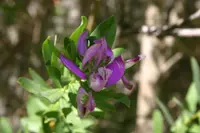
twinberry honeysuckle Care (Lonicera involucrata)

Also known as: bracted honeysuckle, black twinberry, Californian honeysuckle
twinberry honeysuckle

About twinberry honeysuckle

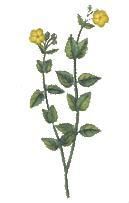
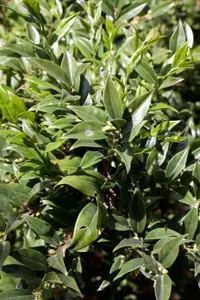
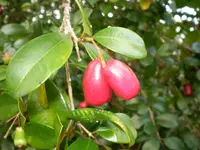
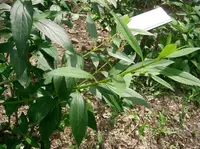
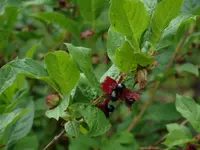
Twinberry honeysuckle (Lonicera involucrata) is a deciduous shrub native to western and northern North America, often found in moist woodlands and along streams. It forms a dense, upright shape with opposite leaves and pairs of dark berries framed by showy, yellow to red bracts.

The plant is valued for wildlife habitat, providing nectar for pollinators and fruit for birds. It tends to be fairly rugged, adapting to cool climates and varied soils as long as moisture is consistent.

For those learning how to care for twinberry honeysuckle, it generally prefers sun to light shade and evenly moist, well-drained soil, which supports healthy growth and reliable flowering.

Main Plant Requirements

Care Difficulty

Easy Care

Light Preference

Partial Sun

Water Requirements

Regular Water

Temperature Preference

Cold Hardy

Hardiness Zone

4–8

Soil Texture

Loamy, Silty, Organic-rich

Soil pH

Acidic (5.5–6.5), Slightly acidic (6.5–7.0)

Soil Drainage

Moist but well-drained

Fertilization

Minimal (feed rarely)

Get Personalized Care Plan

Scan your plant to receive care tips personalized for your specific plant

Available on iOS and Android

How to Care for the twinberry honeysuckle

This hardy shrub prefers consistent light conditions that mimic open woodland edges.

  • Provide 4–6 hours of direct morning sun with light afternoon shade; in hotter regions, protect twinberry honeysuckle from intense sun after 2–3 p.m.
  • Tolerates partial shade (2–4 hours direct sun) but flowering and fruiting decline if grown in dense shade beneath trees.
  • In summer, monitor for leaf scorch or crispy margins from excessive sun and heat; in darker seasons, avoid additional shading from structures or evergreen screens.

This species prefers evenly moist, not saturated, soil throughout the growing season.

  • Water when the top 3–5 cm of soil feels dry, aiming for moisture that is damp to the touch but never soggy around the root zone.
  • In spring and early summer, check soil more often during active growth; reduce watering frequency in late fall and winter once Lonicera involucrata is dormant.
  • Watch for yellowing, soft leaves or a sour soil smell as signs of overwatering, and for drooping, dull leaves plus dry, shrinking soil as signs of underwatering; ensure soil drains freely.

This shrub is naturally adapted to cool to moderately warm outdoor climates.

  • Prime growing temperatures are 55–75°F (13–24°C), which support steady shoot growth, flowering, and fruit set.
  • The plant is cold hardy and tolerates winter lows near -20°F (-29°C) once established, especially with mulch around the root zone to buffer freeze–thaw cycles.
  • In hot spells above 85°F (29°C), growth may slow; provide soil moisture, light afternoon shade, and avoid reflected heat from pavement or walls to limit stress.

This shrub is tolerant of a wide humidity range and rarely needs special humidity management outdoors.

This species prefers moist, well-structured mineral soil that does not stay waterlogged.

  • Use a deep, loamy soil with moderate organic matter, such as a mix of garden loam, compost, and leaf mold.
  • Ensure drainage is steady but not rapid; the root zone should stay evenly moist without pooling water after rain or irrigation.
  • Aim for slightly acidic to neutral pH around 6.0–7.0, avoiding strongly alkaline or saline conditions that restrict nutrient uptake.
  • On heavy clay sites, improve aeration and drainage by incorporating coarse sand or fine gravel plus organic matter into the top 20–30 cm.

This species can be grown in large outdoor containers if the pot provides stable support and moisture retention for its shrub habit.

  • Choose a wide, heavy container that resists tipping as stems lengthen and foliage mass increases in windy conditions.
  • Use a deep pot that allows a broad, fibrous root system to develop without circling tightly near the container walls.
  • Select a material such as thick-walled ceramic or wood to moderate moisture loss and temperature swings in the root zone.

This native shrub generally needs minimal feeding when grown in reasonable garden soil.

  • Apply a light layer of compost or well-rotted manure around the root zone once in early spring to support new growth.
  • If soil is poor, use a balanced slow-release fertilizer (around 10-10-10) at half label rate at the start of the growing season.
  • Avoid feeding twinberry honeysuckle in late summer or fall so new growth can harden before winter.
  • Container plants may need a diluted balanced liquid fertilizer every 4–6 weeks during active growth, never on dry soil.

Pruning supports healthy structure and flowering in Lonicera involucrata without requiring intensive work.

  • Carry out main pruning in late winter or very early spring before new growth starts.
  • Remove dead, diseased, crossing, or inward-growing stems with clean, sharp bypass pruners.
  • Thin out a few of the oldest stems at the base to open the shrub and maintain a balanced shape.
  • Lightly shorten overly long shoots after flowering if needed to control size while preserving next year’s bloom wood.

This shrub is usually grown in the ground, so guidance focuses on transplanting rather than ongoing repotting.

  • Transplant young plants in early spring or fall when temperatures are mild and soil is moist but not waterlogged.
  • Move shrubs when growth is slow, roots circle the container, or the plant dries out very quickly after watering.
  • Dig a wide planting hole, keep the root ball intact, and set the shrub at the same soil depth as before to limit stress.
  • Water thoroughly after planting, mulch 5–8 cm deep, and keep soil evenly moist for the first growing season to support root establishment.

Lonicera involucrata is commonly propagated by cuttings, layering, or seed, depending on available material and timing.

  • Take semi-ripe cuttings in mid to late summer, 8–12 cm long, and root them in a moist, well-drained, low-nutrient medium.
  • Maintain high humidity and bright, indirect light for cuttings, keeping the substrate just damp, not saturated.
  • Use simple layering in spring by bending a flexible stem to the ground, wounding lightly, pegging, and covering with soil until rooted.
  • Sow fresh seed in autumn in pots outdoors or in a cold frame to allow natural winter stratification and spring germination.

This cold-hardy shrub usually needs little winter attention in the ground across most temperate climates.

  • Established plants tolerate frost and typical winter lows in much of North America without special protection.
  • Apply 5–8 cm of organic mulch around the root zone in late fall, keeping it slightly away from the stems.
  • Container-grown plants benefit from placing pots in a sheltered spot, such as against a building, to reduce root freezing and thawing cycles.

Care Tips

Wildlife-friendly spacing

Plant shrubs with at least 90–120 cm between them to allow good air movement while still creating dense cover that supports birds and beneficial insects.

Low-input weed control

Use a 5–8 cm layer of coarse wood chip mulch around but not touching the stems to suppress weeds, keep roots cool, and reduce the need for frequent cultivation.

Selective thicket thinning

Every 2–3 years, remove a few of the oldest, most congested stems at ground level to keep the thicket open, reduce fungal issues, and encourage vigorous new shoots with better flowering and fruiting.

Moisture-scouting strategy

During the first 2–3 growing seasons, check soil moisture after hot or windy days on the outer dripline of the shrub, where roots are most active, and irrigate there rather than at the main stem.

Habitat-supportive underplanting

Underplant with low native groundcovers that tolerate partial shade to stabilize soil, reduce erosion, and create a layered habitat that improves pollinator activity when growing twinberry honeysuckle.

Common Pests and Diseases

Aphids

This pest feeds on young shoots and undersides of leaves, causing curling, distortion, and sticky honeydew that can lead to sooty mold. Heavy infestations can weaken new growth and reduce flowering and fruiting.

Solution

Spray stems and leaves with a firm stream of water to dislodge colonies, then treat remaining clusters with insecticidal soap or a ready-to-use neem oil spray, making sure to cover leaf undersides. Encourage or protect natural predators such as lady beetles, and avoid high-nitrogen fertilization that pushes soft, aphid-prone growth.

Leafroller caterpillars

These insects roll and web leaves together around themselves and feed inside the shelter, leading to chewed foliage and ragged new growth. Light infestations mainly affect appearance, but severe feeding can stunt young plants.

Solution

Handpick and destroy rolled leaves containing caterpillars or prune out localized clusters before they spread. For repeated or heavier outbreaks, apply a Bacillus thuringiensis (Bt) biological caterpillar spray on young foliage in late spring, following label directions and reapplying after rain.

Powdery mildew

This disease produces white to gray powdery patches on leaves, especially in late summer or on plants in shade with poor airflow. Symptoms include distorted, dull foliage and premature leaf drop, though mature plants are rarely killed.

Solution

Thin crowded stems to improve air circulation and prune out badly affected shoots, disposing of them with yard waste rather than compost. If needed, use a low-impact fungicide labeled for powdery mildew on ornamentals, and avoid overhead watering that keeps foliage damp into the evening.

Leaf spot

This disease causes small brown, tan, or purplish spots on leaves that may merge into larger blotches, leading to early leaf drop in wet seasons. Symptoms include most damage on lower, inner foliage where moisture lingers longest.

Solution

Remove and discard fallen leaves and heavily spotted foliage to reduce the source of reinfection, and water at the base rather than over the canopy. In sites with chronic issues, improve spacing and airflow; for valuable plantings, a preventive fungicide spray in early spring during wet periods can help limit new infections.

Scale insects

These insects appear as small, domed, or flat bumps on stems and sometimes leaves, sucking sap and producing honeydew that can attract sooty mold. Infested branches may show yellowing leaves, reduced vigor, and dieback if populations are high.

Solution

Prune out and destroy heavily infested twigs, then gently scrub remaining scales from stems with a soft brush and soapy water. For ongoing problems, apply a horticultural oil spray during the dormant season to smother overwintering stages, and follow up with a light oil or insecticidal soap in the growing season if new crawlers appear, as part of broader Lonicera involucrata care instructions.

Interesting Facts

Paired flowers and berries

Each yellow flower is closely paired, and after pollination this pair develops into two black berries that sit together in a shared red bract, giving the plant its common name, twinberry honeysuckle.

Specialist bird relationships

The berries are a natural food source for many native birds in western North America, including robins, thrushes, and waxwings, which help disperse the seeds through their droppings.

Wetland-adapted shrub

This species naturally occurs along streams, in wet forests, and in moist mountain meadows across western North America, showing a strong adaptation to cool, damp habitats and periodic flooding.

Botan icon

Did you know?

Despite belonging to a genus that includes several invasive ornamental honeysuckles, Lonicera involucrata is a native species in North America and is widely used in ecological restoration projects to stabilize streambanks and support wildlife food webs.

FAQs about twinberry honeysuckle

This shrub is highly attractive to native bees, bumblebees, hummingbirds, and later in the season, fruit-eating birds. Flowers provide nectar in late spring to early summer, while berries offer food and shelter value for wildlife.

Grow Healthy Plants with Botan Care

Keep your plants happy and healthy with plant identification, disease detection, and easy care guidance.

Botan plant care app — identify plants on mobile

Explore More Plants