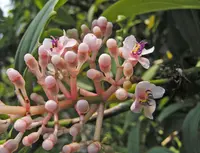
Sweet box Care (Sarcococca confusa)

Sweet box

About Sweet box

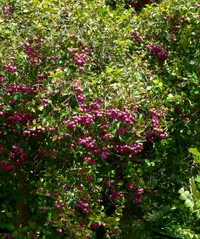
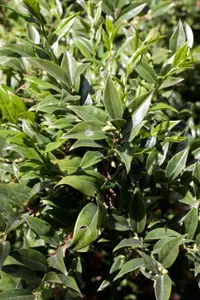
Sweet box, Sarcococca confusa, is an evergreen shrub grown mainly for its glossy foliage and strong winter fragrance. It forms a compact, bushy shape with dense, dark green leaves.

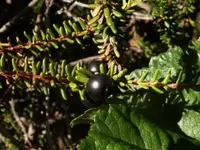
Small creamy-white flowers appear in late winter, followed by shiny black berries. The plant is native to western China but is widely planted in temperate gardens as a low-maintenance shade shrub.

Sarcococca confusa tolerates dry shade once established, grows slowly, and usually stays neat without much pruning. These traits generally make it easy to care for Sweet box in home gardens.

It prefers partial to full shade, evenly moist but well-drained soil, and protection from very hot, exposed sites.

Main Plant Requirements

Care Difficulty

Easy Care

Light Preference

Partial Shade

Water Requirements

Moderate Water

Temperature Preference

Cold Hardy

Hardiness Zone

7–9

Soil Texture

Loamy, Clay, Organic-rich

Soil pH

Acidic (5.5–6.5), Slightly acidic (6.5–7.0)

Soil Drainage

Moist but well-drained

Fertilization

Minimal (feed rarely)

Get Personalized Care Plan

Scan your plant to receive care tips personalized for your specific plant

Available on iOS and Android

How to Care for the Sweet box

This evergreen shrub prefers low to moderate light and thrives in sheltered sites.

  • Provide dappled shade or bright indirect light, with 1–3 hours of gentle morning sun and no harsh afternoon sun in hot climates.
  • Plant in north- or east-facing positions, or under high tree canopies, where Sweet box receives consistent shade but still gets ambient daylight.
  • Avoid full sun in summer, which can scorch foliage, and avoid deep, year-round shade that leads to sparse growth and fewer winter flowers.

This shrub prefers evenly moist but not saturated soil once established.

  • Water when the top 3–5 cm of soil feels dry, then soak the root zone thoroughly so moisture reaches the deeper roots.
  • In spring and summer, check soil more often during dry spells; reduce watering in cool, wet seasons to prevent prolonged soggy conditions.
  • Watch for yellowing, soft leaves and a sour soil smell as signs of overwatering, or dull, curling leaves and dry, cracked soil as signs of underwatering in Sarcococca confusa.

This species is a cool- to mild-climate shrub with good winter hardiness.

  • Optimal growth occurs around 50–70°F (10–21°C), with steady conditions supporting reliable flowering and dense foliage.
  • Mature plants tolerate lows down to about 5–10°F (-15 to -12°C); brief colder snaps may damage young shoots but roots usually survive under mulch.
  • In summer, growth remains stable up to about 80–86°F (27–30°C) if soil stays moist; extended hotter periods increase stress, so shade and mulch help moderate root temperatures.

This shrub handles typical home and outdoor humidity but benefits from slightly moist air.

  • Aim for 40–60% humidity for steady growth, especially in heated indoor spaces.
  • It tolerates brief dry air, but prolonged very low humidity can cause leaf-edge browning and slow growth in Sweet box.
  • Increase humidity by grouping plants, placing a water tray with pebbles nearby, or lightly misting foliage in the driest periods.

Soil should be moisture-retentive yet free-draining to keep roots evenly supplied with air and water.

  • Use a loamy, organic-rich base, such as garden loam blended with compost, to support Sarcococca confusa in shaded beds or containers.
  • Ensure drainage by incorporating materials like fine bark, leaf mold, or 10–20% perlite so water moves through without puddling around roots.
  • Target a slightly acidic to neutral pH of about 6.0–7.0, avoiding strongly alkaline sites that can lead to nutrient lockout and chlorosis (yellowing leaves).
  • Avoid heavy, compacted clay or permanently waterlogged ground; improve such sites first by raising the bed and mixing in coarse organic matter to increase aeration.

This species is well suited to long-term container growing in shaded patios or entrances.

  • Choose a pot slightly deeper than wide to accommodate its fibrous, spreading root system without forcing tight circling roots near the surface.
  • Select a heavier material such as ceramic or concrete if the container sits in windy spots, which reduces tipping as top growth thickens over time.
  • Fill the base with a free-draining mix and avoid water-retentive saucers, emptying any standing water promptly to prevent chronic root-zone saturation.

This evergreen shrub benefits from light feeding but grows acceptably in average garden soil.

  • Apply a balanced slow-release fertilizer (around 8-8-8 to 10-10-10) once in early spring as growth begins.
  • Supplement with a thin layer of garden compost or leaf mold around the root zone each spring, keeping it off the stems.
  • In containers, use a half-strength balanced liquid feed every 4–6 weeks from spring to midsummer only.
  • Stop feeding Sweet box from late summer onward so new growth hardens before winter.

Sarcococca confusa needs only minimal pruning to keep a neat, dense form.

  • Prune just after flowering in late winter or very early spring, before new growth extends.
  • Remove dead, diseased, or damaged stems back to healthy wood using clean, sharp hand pruners.
  • Thin out a few crowded or crossing shoots at the base to improve airflow and maintain a compact outline.
  • Avoid heavy cutting into old wood; instead, renew shape gradually over 2–3 years by removing older stems.

This shrub is usually grown in the ground but can stay a long time in one container if needed.

  • Plan transplanting or repotting for early spring or early fall, when weather is cool and soil moisture is stable.
  • Look for roots circling the pot, water draining very quickly, or slowed growth as signs a potted plant needs a larger container.
  • Repot or transplant every 3–5 years at most, choosing a pot or hole only 1–2 sizes larger with rich, well-drained soil.
  • Lift the root ball carefully, keep as much soil attached as possible, water thoroughly after planting, and shade for 1–2 weeks to limit stress.

New Sarcococca confusa plants are most reliable from semi-ripe cuttings or division of established clumps.

  • Take semi-ripe stem cuttings in mid to late summer, 7–10 cm long, with a heel or node and 2 leaves retained.
  • Insert cuttings in a free-draining mix of compost and perlite, keep at 65–75°F with high humidity and bright shade.
  • Divide well-rooted suckers or side shoots in early spring, replanting divisions promptly at the same depth.
  • Sow fresh seed in pots outdoors in a shaded cold frame; expect slow, sometimes irregular germination over several months.

This shrub is generally hardy in temperate climates and needs little winter attention once established.

  • Tolerates typical garden frosts but may show leaf scorch in exposed, windy sites during very cold spells.
  • Apply a 5–8 cm mulch of bark or compost over the root zone in late fall, keeping it clear of stems.
  • For container plants in colder regions, move pots against a sheltered wall and insulate with bubble wrap or fleece around the container.

Care Tips

Mulch For Roots

Apply a 5–8 cm layer of leaf mold or fine bark mulch over the root zone each autumn to keep roots cool, conserve moisture, and gradually improve the soil without disturbing this shallow-rooted shrub.

Shaded Companion Planting

Plant alongside taller evergreen shrubs or trees that cast light shade to protect foliage from winter scorch and create a sheltered microclimate that enhances flowering and scent.

Targeted Winter Watering

In cold but dry spells, give the plant a deep soak on frost-free days so that flower buds and evergreen leaves do not dry out, especially when planted under thirsty trees or in rain shadows.

Gentle Underplanting

Use low, shallow-rooted groundcovers such as evergreen ferns or small epimediums rather than vigorous perennials so the surface roots are not damaged during dividing or replanting.

Walkway Positioning

Position plants near paths, doorways, or seating areas downwind of prevailing breezes so the winter fragrance is carried to where people pass, which also makes caring for Sweet box easier to integrate into routine garden checks.

Common Pests and Diseases

Leaf spot

This disease causes irregular brown or purple spots on leaves that may merge and lead to premature leaf drop. Symptoms include more damage on older or densely shaded foliage.

Solution

Remove and dispose of badly affected leaves and any fallen debris to reduce infection sources. Improve light and air movement around the shrub, avoid overhead watering, and if spotting continues, apply a suitable ornamental shrub fungicide labeled for leaf spots in early spring and repeat as directed.

Honey fungus

This disease attacks the roots and lower stem, leading to sudden wilting, poor growth, and eventual dieback of whole stems or the entire plant. Symptoms include white fungal sheets under the bark and dark bootlace-like strands in the soil.

Solution

Immediately remove and destroy the entire affected plant, including as many roots as possible, and do not replant susceptible woody plants in the same spot. Improve soil drainage, avoid planting into heavy, waterlogged ground, and choose resistant or less-susceptible species if honey fungus is known in the garden.

Scale insects

These insects appear as small, dome-shaped brown or gray bumps on stems and leaf veins, often accompanied by sticky honeydew and black sooty mold. This pest usually builds up on older, shaded branches in sheltered positions.

Solution

Physically scrape or wipe scales off stems with a cotton pad dipped in soapy water, pruning out heavily infested twigs. For persistent infestations, use a horticultural oil spray in late winter or early spring to smother overwintering scales, ensuring thorough coverage of stems and branch junctions.

Vine weevil

This pest is mainly a problem in containers or very loose soil, where larvae feed on roots and cause plants to collapse, while adults chew distinctive notches from leaf edges. Symptoms include sudden wilting despite adequate soil moisture and poor new growth.

Solution

Inspect pots for white, C-shaped grubs in the compost and destroy any found, then repot into fresh, clean medium if needed. Use biological control with entomopathogenic nematodes labeled for vine weevil in late summer or early fall, and reduce hiding places for adults by keeping container areas tidy and checking at night for beetles on foliage.

Interesting Facts

Winter-scented understory

This species produces highly fragrant white flowers in mid to late winter, often when few other shrubs are in bloom, and is adapted to flower in low-light understory conditions beneath taller trees.

Black berry mimicry

After flowering, it develops glossy black, berry-like fruits that are actually dry drupes, which visually attract birds that help disperse the seeds in its native woodland habitat.

Naturally shade-tolerant hedge

Its dense, slow, and compact growth habit allows it to form low hedges and groundcover in deep or dry shade where many other evergreen shrubs fail, making it valued in difficult urban planting sites.

Botan icon

Did you know?

Despite its intense perfume, the individual flowers are very small and visually unobtrusive, relying almost entirely on scent rather than showy petals to attract winter-active pollinators.

FAQs about Sweet box

Lack of flowers usually comes from too little light, excessive pruning at the wrong time, or nutrient imbalance. Avoid heavy pruning after midsummer, provide steady moisture, and use a balanced, slow‑release fertilizer rather than high‑nitrogen lawn products.

Grow Healthy Plants with Botan Care

Keep your plants happy and healthy with plant identification, disease detection, and easy care guidance.

Botan plant care app — identify plants on mobile

Explore More Plants